
Trump Declares Iran Ceasefire Over — NATO Summit Ankara
In a recent BBC News report, Donald Trump declared the Iran ceasefire over at the NATO summit in Ankara and threatened additional US strikes. Trump Declares Iran Ceasefire Over at NATO Summit — Threatens More Strikes Ankara, Turkey – 8 July 2026 — President Donald Trump announced that the US-Iran ceasefire agreement is over during the NATO summit in Ankara, Turkey, accusing Teh
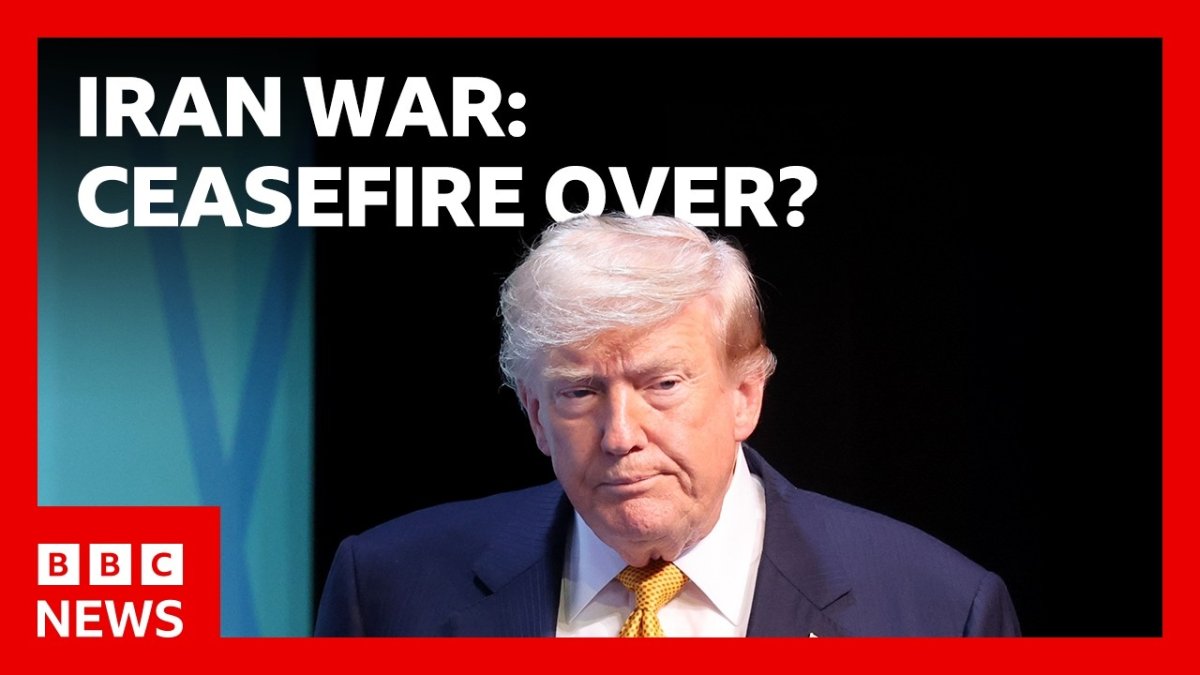
In a recent BBC News report, Donald Trump declared the Iran ceasefire over at the NATO summit in Ankara and threatened additional US strikes.
Trump Declares Iran Ceasefire Over at NATO Summit — Threatens More Strikes
Ankara, Turkey – 8 July 2026 — President Donald Trump announced that the US-Iran ceasefire agreement is over during the NATO summit in Ankara, Turkey, accusing Tehran of violating the June MoU and vowing further military action.
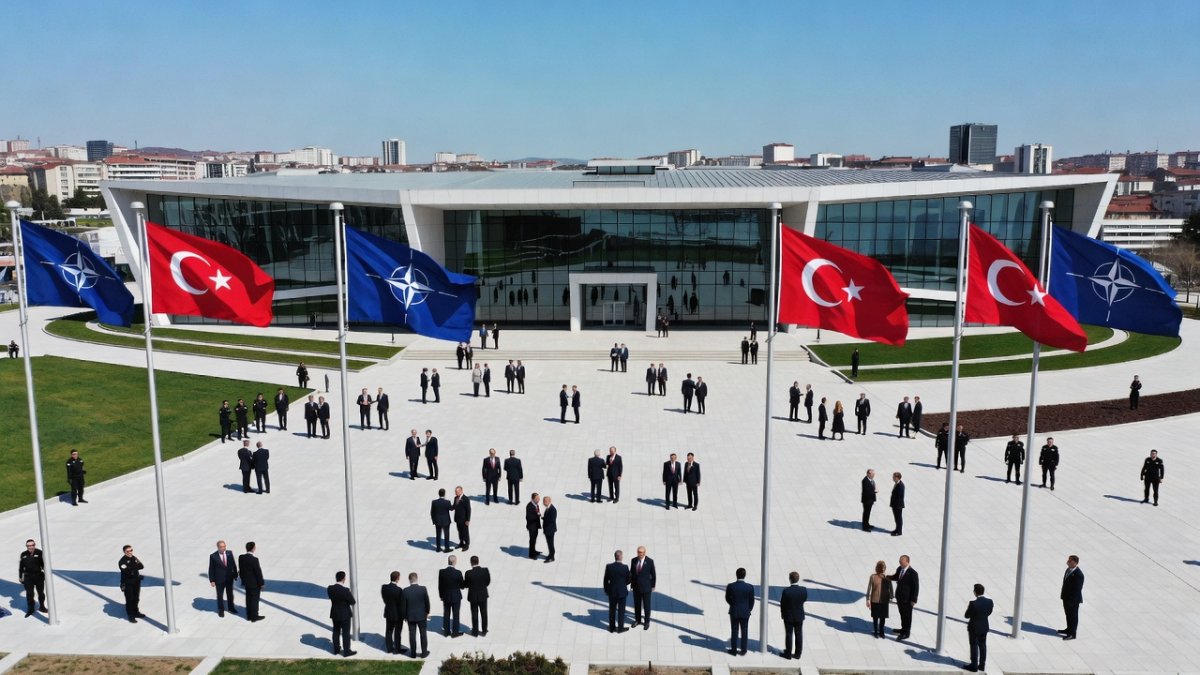
The Ankara Declaration — Ceasefire Collapses at NATO Summit
President Donald Trump's declaration that the US-Iran ceasefire is "over" came during the NATO summit in Ankara, a gathering originally intended to focus on transatlantic defence commitments and the war in Ukraine. Speaking to reporters on the sidelines of the summit, the American president did not mince words. He described Iranian leadership as "scum" and "cuckoo," asserting that the June 17 memorandum of understanding — a carefully negotiated 14-point framework hailed as a diplomatic breakthrough — had been fatally undermined by Tehran's actions.
"We make a deal... They go outside, talk to the press, they say 'we never even talked about it'. There's something wrong with them," Trump said, his frustration with the diplomatic process evident. The comments marked a dramatic reversal from the cautious optimism that had accompanied the signing of the MoU in Pakistan less than a month earlier.
NATO Secretary General Mark Rutte, standing alongside Trump at the summit, described the American retaliatory strikes as "absolutely necessary," accusing Iran of "basically violating the ceasefire." The unified front presented by the summit underscored the extent to which the alliance has rallied behind Washington's position, even as European capitals privately express concern about a rescalation that could destabilise global energy markets.
Trump further stated that the United States "hit them very hard last night" and will "probably hit them hard again tonight," directly linking the collapse of the ceasefire to recent attacks on three tankers in the Strait of Hormuz. He accused Tehran of lying and cheating in its implementation of the agreement, pointing to the worst exchange of strikes since the MoU was signed as evidence that Iranian leaders could not be trusted. US Central Command confirmed the launch of powerful strikes in response, targeting positions in southern Iran.
From the Iranian perspective, officials rejected the characterization of their actions as violations. Iran's Foreign Minister Abbas Araghchi emphasized that Tehran would respond to provocations through measured action rather than rhetoric. This stance aligns with broader Iranian claims that the United States itself breached key provisions of the MoU by revoking the temporary suspension of sanctions on Iranian oil sales. Analysts note that such mutual accusations have eroded the fragile trust built during the 60-day ceasefire period outlined in the agreement.
The 14-Point MoU — What Went Wrong?
The memorandum of understanding signed on June 17 in Muscat, Oman, was intended to provide a 60-day window for negotiations towards a permanent end to hostilities. Its 14 points included the immediate and permanent termination of military operations on all fronts, the safe passage of commercial vessels through the Strait of Hormuz without interference, and a commitment from Washington to begin lifting sanctions on Iranian oil sales. In return, Tehran was to use its "best efforts" to guarantee the strait remained open for 60 days at no charge to shipping operators.
Trump repeatedly highlighted what he described as Iranian violations of these terms, claiming that Tehran had lied and cheated from the outset. He noted that negotiators including Steve Witkoff and Jared Kushner could continue talks if they wished, but he viewed the process as a waste of time. The agreement had been reached after earlier US strikes on 26-27 June following attacks on ships in the Strait of Hormuz, yet the subsequent Tuesday-Wednesday exchange of strikes represented the most intense fighting since the MoU took effect.
Iranian officials countered that the United States undermined the MoU by revoking sanctions relief and conducting new strikes. Iran's parliamentary speaker Mohammad Bagher Ghalibaf accused Washington of breaching the agreement, while Deputy Foreign Minister Kazem Gharibabadi stated that Trump's comments were not a sign of strength. Talks had already been paused during the funeral of Ayatollah Ali Khamenei, adding further strain to the diplomatic track. Both sides now present competing narratives about which party first abandoned the 14-point framework.
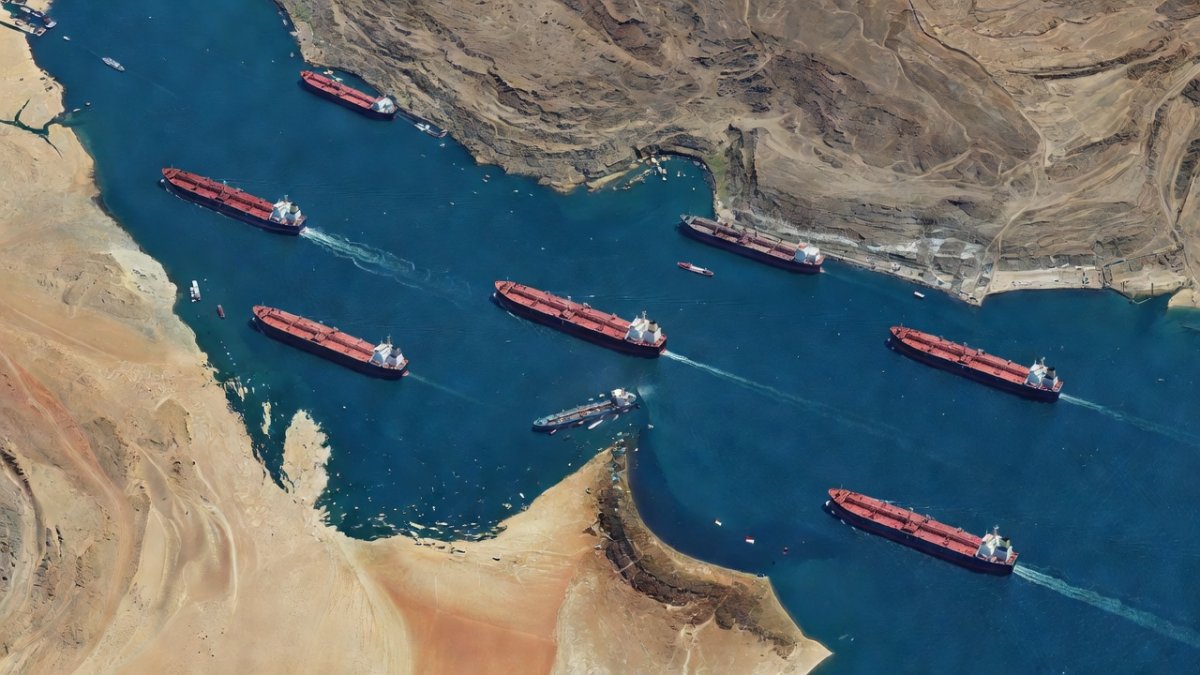
Military Escalation — Strikes, Retaliation, and the Strait of Hormuz
The immediate trigger for Trump's declaration was a series of attacks on three tankers in the Strait of Hormuz that US Central Command attributed to Iranian forces. In response, the US military launched what Centcom described as "powerful" strikes against Iranian positions in the southern cities of Bandar Abbas and Bushehr. Iranian state media reported that eight members of the country's armed forces were killed in the bombardment.
More than 20 US Navy warships are now patrolling across the Middle East as tensions rise. Trump told reporters he did not think the Iran war would start again, yet his comments about additional strikes tonight signaled continued readiness for escalation. The US also revoked the temporary suspension of sanctions on Iranian oil sales, a move that directly contravenes one of the MoU's core provisions on sanctions relief.
Iran responded by targeting US military sites in Bahrain and Kuwait. Senior adviser to Iran's supreme leader Ali Akbar Velayati warned that further strikes would be met with immediate response. These developments illustrate how quickly the 60-day ceasefire framework unraveled amid disputes over tanker attacks and retaliatory operations in the Strait of Hormuz region.
Iran's Response — Defiance and Deterrence
Tehran's response was swift and multi-layered, combining diplomatic defiance with military retaliation. On Wednesday, Iran announced it had targeted US military installations in Bahrain and Kuwait in what it described as a measured retaliatory operation. Foreign Minister Abbas Araghchi, in a characteristically restrained post on X, declared: "We do not answer vulgarity with vulgarity, but with action: fearlessly and with great valour."
Iran's Deputy Foreign Minister Kazem Gharibabadi dismissed Trump's remarks as lacking substance, while parliamentary speaker Mohammad Bagher Ghalibaf accused the United States of breaching the MoU. Senior adviser Ali Akbar Velayati reinforced that any new US actions would trigger an immediate Iranian response. These statements reflect Tehran's strategy of projecting strength without matching Trump's personal rhetoric.
From the US side, Trump emphasized that Iranian leaders had violated the June MoU through repeated lies and cheating. He linked the collapse directly to the tanker incidents and subsequent Centcom strikes that killed eight Iranian army members in Bandar Abbas and Bushehr. The contrast between the two sides' messaging highlights the deep mistrust that has replaced the brief period of negotiated restraint.
Oil Markets and Global Economic Fallout
The financial markets reacted immediately to Trump's declaration. Oil prices jumped sharply following the president's comments at the NATO summit, though they remained well below the peak levels reached during the full closure of the Strait of Hormuz earlier this year. The waterway, through which approximately 20 percent of the world's oil supply and a significant portion of liquefied natural gas trade transits, had been effectively closed by Iran since late February, when US and Israeli strikes triggered the conflict.
The revocation of sanctions relief on Iranian oil sales adds further pressure to global energy supplies. NATO chief Mark Rutte supported the US position by calling the strikes absolutely necessary, yet the economic consequences extend beyond the immediate region. More than 20 US Navy warships now patrol the area, underscoring the scale of the military presence tied to protecting Hormuz shipping lanes.
Iranian officials maintain that US actions, including the new strikes and sanctions reversal, bear responsibility for renewed market volatility. Both Washington and Tehran continue to frame their positions in terms of defending core interests in the Strait of Hormuz, leaving oil traders to assess the risk of further disruption in the coming days.
Analysis — A Diplomatic Abyss or Tactical Posturing?
The central question confronting analysts in Washington, Tehran, and European capitals is whether Trump's declaration represents a genuine termination of the diplomatic track or a calibrated negotiating tactic designed to extract maximum concessions. The president's own remarks contained a notable contradiction: while insisting the ceasefire was "over" and that he did not want to "waste time" with Iranian negotiators, he simultaneously acknowledged that special envoy Steve Witkoff and senior adviser Jared Kushner could continue discussions if they chose to.
US Central Command's strikes in Bandar Abbas and Bushehr, which killed eight Iranian personnel, followed directly from the tanker attacks attributed to Iran. Mark Rutte endorsed these actions as absolutely necessary. On the Iranian side, Abbas Araghchi, Ali Akbar Velayati, Kazem Gharibabadi, and Mohammad Bagher Ghalibaf have all rejected the US narrative, insisting that Washington violated the MoU first through sanctions and military moves.
The situation leaves the 14-point agreement in limbo, with talks already paused for the funeral of Ayatollah Ali Khamenei. Whether the current escalation leads to sustained conflict or renewed backchannel efforts involving Witkoff and Kushner remains unclear, as both sides continue to attribute blame for the collapse of the June MoU while maintaining significant naval and military postures around the Strait of Hormuz.
By Irina Volkov, Staff Writer
This article was produced with AI-assisted research and editorial support. Reporting is based on sources cited in the article.
What's Your Reaction?
 Like
0
Like
0
 Dislike
0
Dislike
0
 Love
0
Love
0
 Funny
0
Funny
0
 Wow
0
Wow
0
 Sad
0
Sad
0
 Angry
0
Angry
0
Russia/Eastern Europe Correspondent at Global1.News. Covering Russian politics, energy, security, and the shifting dynamics of the post-Soviet space. Provides clear-eyed analysis on one of the world's most opaque regions.











Comments (0)