
Shinkansen Supreme Class Private Cabins Launch October 2026
The Supreme Class: A New Era of Privacy on Japan's Bullet Trains JR Central and JR West have developed private compartments for the Tokaido and Sanyo Shinkansen that will enter service on October 1, 2026. The compartments, branded Supreme Class, were presented to media on July 8, 2026, and represent a targeted response to passenger feedback on existing Green Car services. The T
The Supreme Class: A New Era of Privacy on Japan's Bullet Trains
JR Central and JR West have developed private compartments for the Tokaido and Sanyo Shinkansen that will enter service on October 1, 2026. The compartments, branded Supreme Class, were presented to media on July 8, 2026, and represent a targeted response to passenger feedback on existing Green Car services.
The Tokaido Shinkansen corridor between Tokyo and Osaka remains Japan's busiest high-speed rail route. Adding enclosed, lockable spaces addresses demand from both business travelers seeking focused work environments and tourists desiring greater seclusion during peak travel periods.
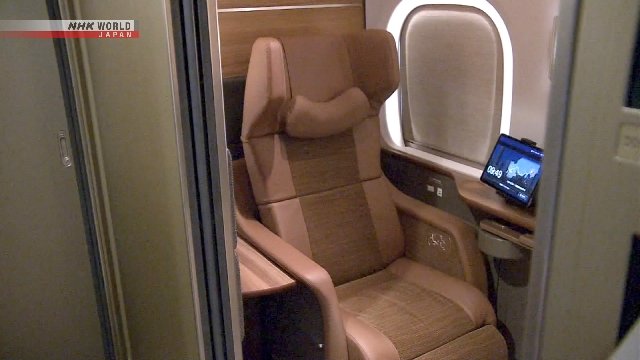
Features and Amenities in the Private Compartments
Each compartment includes a reclining seat, a large working table, dedicated Wi-Fi, a speaker that connects to smartphones, dedicated space for carry-on luggage, and controls for adjustable lighting and air conditioning. Doors lock automatically and open via IC card authentication, providing a secure environment throughout the journey.
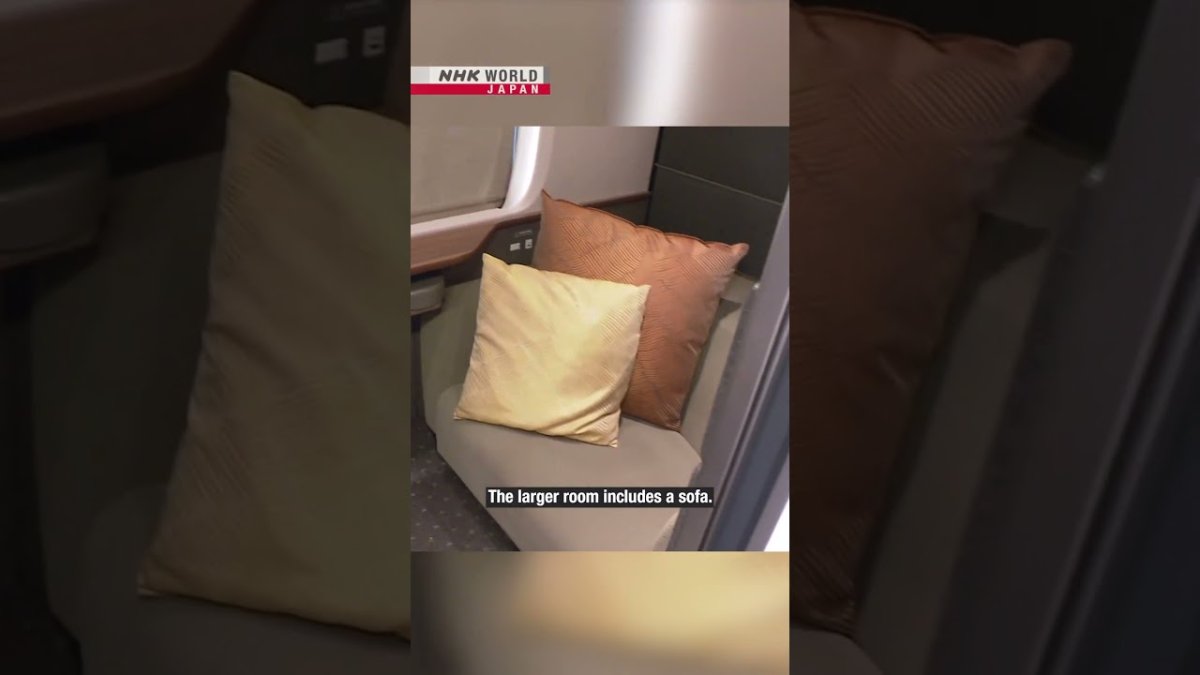
Two configurations are available. The single-occupancy cabin suits solo travelers, while the 1-2 person compartment accommodates one or two passengers. These specifications were confirmed during the July 8 media demonstration and align with JR Central's goal of enhancing comfort without altering the core high-speed operations of the Shinkansen network.
Pricing and Reservation Details
Fares for the Supreme Class have been set with clear differentials based on distance and occupancy. A single-occupancy compartment from Tokyo to Shin-Osaka costs 42,390 yen. The 1-2 person compartment on the same route is priced at 60,790 yen, with the second passenger required to hold a basic fare ticket plus a limited express ticket.
Shorter segments reflect lower rates. Tokyo to Nagoya single occupancy is 32,660 yen, while the 1-2 person option costs 47,060 yen. Reservations are handled through a free online system. These prices position Supreme Class as a premium offering above standard Green Car accommodations.
Background and Market Demand
JR Central President Niwa Shunsuke announced the initiative on June 17, 2026, citing survey results from Green Car passengers who expressed interest in greater privacy. The data indicated consistent demand from both business and leisure segments along the Tokaido corridor.
Initial service will operate on approximately 12 trains per day, with gradual expansion planned based on utilization. This measured rollout allows JR Central and JR West to monitor operational performance before increasing frequency on the Tokaido and Sanyo lines.
Broader Implications for Japanese Rail Travel
Japan's railway operators face structural challenges from population decline alongside a rebound in inbound tourism. The introduction of Supreme Class compartments illustrates how JR companies are adapting premium services to capture higher-value segments while maintaining reliability on core corridors such as Tokyo-Nagoya-Kyoto-Osaka.
The Tokaido Shinkansen continues to serve as a vital artery for both domestic business travel and international visitors. Enhanced privacy options may support longer-distance journeys and encourage greater use of rail over alternative transport modes in an era of shifting demographics.
Future Expansion Plans
JR Central and JR West intend to monitor ridership data after the October 1, 2026 launch before scaling the number of equipped trains. The phased approach minimizes disruption to existing schedules while allowing refinement of service protocols, including IC card access and onboard amenities.
Over time, the model could inform similar offerings on other Shinkansen routes operated by JR Group companies, though current plans remain focused on the Tokaido and Sanyo corridors where passenger volumes justify the investment.
By Kenji Tanaka, Staff Writer
This article was produced with AI-assisted research and editorial support. Reporting is based on sources cited in the article.
What's Your Reaction?
 Like
0
Like
0
 Dislike
0
Dislike
0
 Love
0
Love
0
 Funny
0
Funny
0
 Wow
0
Wow
0
 Sad
0
Sad
0
 Angry
0
Angry
0

Japan Correspondent at Global1.News. Tokyo-based voice covering Japanese politics, technology, economy, and culture. Tracks the intersection of tradition and innovation in one of the world's most dynamic societies.













Comments (0)