
Ann Widdecombe Murder: Police Release Suspect, Hunt White Male Suspect in Devon
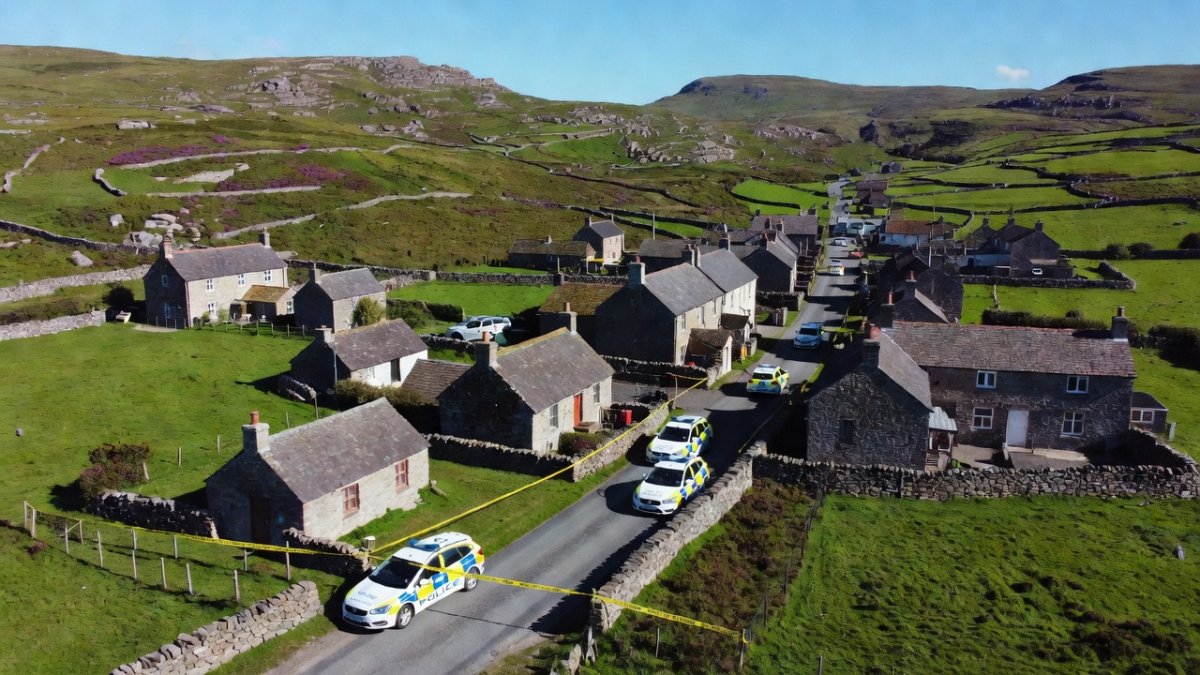
The Discovery and Launch of the Murder Inquiry Ann Widdecombe, the 78-year-old former Conservative MP, was found dead at her home in Haytor, Devon, on Thursday 9 July 2026. Officers attended the property following a welfare concern and discovered her body with serious injuries. Devon and Cornwall Police immediately declared the death a murder and launched a full investigation.
The Discovery and Launch of the Murder Inquiry
Ann Widdecombe, the 78-year-old former Conservative MP, was found dead at her home in Haytor, Devon, on Thursday 9 July 2026. Officers attended the property following a welfare concern and discovered her body with serious injuries. Devon and Cornwall Police immediately declared the death a murder and launched a full investigation.
Detectives established that the attack occurred around 11:30 GMT on Wednesday 8 July 2026, roughly twenty-four hours before the body was found. The rural location of Haytor, a small village on the eastern edge of Dartmoor, meant the incident quickly drew national attention. Local residents reported seeing increased police activity along the B3387 throughout Thursday afternoon.
Assistant Chief Constable Matt Longman was appointed senior investigating officer. He confirmed there was no evidence of terrorism or political motivation and stated there was “no wider risk to the public.” A major incident portal was opened immediately to allow members of the public to submit information or footage.
Arrest in Newton Abbot and Rapid Release
On Friday 10 July a 26-year-old man was arrested in Newton Abbot, nine miles from Haytor. He was detained on suspicion of murder and taken to a police station in the area. The swift arrest suggested officers had acted on early witness accounts or CCTV from the narrow roads leading to the property.
By Saturday 11 July the man had been released without charge and was no longer considered part of the inquiry. Police confirmed the decision followed further enquiries that eliminated him from the investigation. The rapid turnaround highlighted both the intensity of the initial response and the need for continued vigilance.
The release shifted focus entirely onto the search for a white male suspect. Officers renewed appeals for anyone who may have seen unusual activity on the moorland roads between 8 and 9 July. The major incident portal continued to receive submissions from across the South West.
The Current Hunt for a White Male Suspect
Police have now issued a clear description of the individual they wish to trace: a white male. No further physical details have been released, but the description has been circulated to all forces in the South West and shared with neighbouring forces in Dorset and Somerset. Roadblocks and additional patrols were visible on the A38 and surrounding lanes over the weekend.
Investigators are examining hours of CCTV from service stations, village shops and automatic number-plate recognition cameras. The rural nature of Haytor means many properties have private security cameras that may hold vital footage. Officers have urged anyone who visited the area on 8 July to check their devices.
ACC Longman emphasised that the public’s assistance remains crucial. The major incident portal allows anonymous submissions, and a dedicated telephone line has been established. Detectives continue to work through hundreds of lines of enquiry while maintaining that the wider public is not at risk.
Ann Widdecombe’s Long Parliamentary Career
Ann Widdecombe served as Conservative MP for Maidstone and The Weald from 1987 until 2010. She held junior ministerial posts under John Major between 1992 and 1997, including roles at the Department of Employment and the Home Office. Her time in government coincided with significant debates on law and order and public spending.
After leaving the Commons she remained a prominent voice in Conservative circles before joining Reform UK as its immigration and justice spokesperson. Her move reflected long-standing views on border control and criminal justice that she had expressed for decades. Colleagues in both parties acknowledged her willingness to speak directly, even when her positions proved unpopular.
Widdecombe’s combative debating style and distinctive laugh became familiar to television audiences. She appeared on Strictly Come Dancing in 2010, reaching the quarter-finals and demonstrating the same determination that marked her political career. Her public profile extended well beyond Westminster.
Socially Conservative Positions and Public Controversies
Throughout her career Widdecombe maintained firm opposition to abortion and resisted moves to equalise the age of consent for homosexual men. She converted to Catholicism after the Church of England began ordaining women priests, a decision she described as a matter of conscience. These stances shaped her reputation as one of the most socially conservative figures in British politics.
She defended the practice of shackling pregnant prisoners during childbirth, arguing it was necessary for security. The position drew widespread criticism from human-rights groups and fellow MPs yet reflected her consistent emphasis on prison discipline. She also opposed the hunting of foxes with hounds, a stance that placed her at odds with many rural Conservatives.
Her willingness to defend unpopular positions earned both admiration and criticism. Supporters praised her refusal to follow prevailing opinion, while opponents accused her of being out of step with modern Britain. These debates resurfaced in tributes following her death.
Reform UK Role and Continued Media Presence
In recent years Widdecombe served as Reform UK’s spokesperson on immigration and justice. She appeared regularly on television and radio, offering forthright commentary on sentencing policy and border security. Her involvement helped the party reach voters disillusioned with mainstream Conservative positions.
Her media work extended to documentaries and panel shows where she discussed criminal justice reform. Former colleagues noted that she remained in demand precisely because she refused to soften her language for broadcast. The trademark laugh and direct manner continued to divide opinion even after she left elected office.
Nigel Farage travelled to Devon on Saturday 11 July to pay his respects at the scene. He described Widdecombe as a formidable colleague whose loss would be felt across the political spectrum. His presence underlined the cross-party nature of the shock that followed the news.
Previous Attacks on MPs and Renewed Security Debates
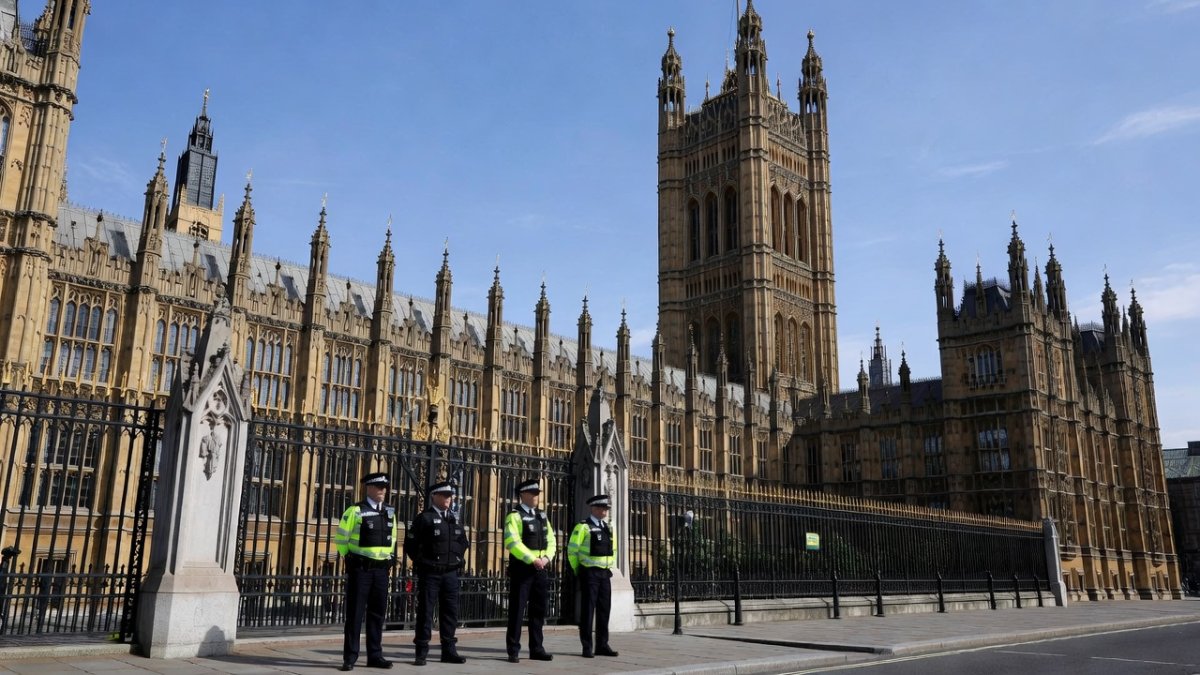
The murder has inevitably revived memories of the killings of Jo Cox in 2016 and Sir David Amess in 2021. Cox was murdered by a far-right extremist; Amess by an Islamist extremist. Both cases prompted parliamentary reviews of MP security arrangements and increased funding for protective measures.
Following those attacks, the House of Commons introduced enhanced security protocols, including additional police support for constituency offices and improved threat assessments. The Independent Parliamentary Standards Authority adjusted allowances to cover security costs. Despite these measures, concerns persist about the vulnerability of former MPs who no longer receive the same level of protection.
Prime Minister Keir Starmer paid tribute to Widdecombe’s service and expressed condolences to her family. He confirmed that the government would examine whether further steps are needed to protect public figures after they leave office. Parliament is expected to hold a security debate in the coming weeks.
Local Impact in Devon and National Reflections
In Haytor and the surrounding villages the news has left residents shaken. Many knew Widdecombe as a quiet neighbour who had lived in the area for several years. Pete Horrell, her former driver, described her as a “lovely, kind person” who treated staff with respect. Local shops reported a noticeable drop in visitors over the weekend as people stayed indoors.
The case has prompted renewed discussion about safety in rural communities. Devon and Cornwall Police have increased visible patrols in isolated hamlets while reassuring residents that the investigation is being treated as an isolated incident. Community groups have organised meetings to share information and support one another.
Across the country the death of a former MP has prompted reflection on the tone of political debate. Commentators on both sides of the spectrum have called for calmer discourse, though few expect immediate change. The investigation continues, with officers focused on identifying the white male suspect now at the centre of their enquiries.
This article was produced with AI-assisted research and editorial support. Reporting is based on sources cited in the article.
What's Your Reaction?
 Like
0
Like
0
 Dislike
0
Dislike
0
 Love
0
Love
0
 Funny
0
Funny
0
 Wow
0
Wow
0
 Sad
0
Sad
0
 Angry
0
Angry
0

US Politics and Policy Correspondent at Global1.News. Based in Washington DC, covering American politics, policy, elections, and the courts. Knows how the system works and tells you what it actually means.














Comments (0)