
Gulf of Paria widens as Trinidad pours oil on troubled Venezuelan waters
Gulf of Paria widens as Trinidad pours oil on troubled Venezuelan waters The Incident That Stirred the Waters The Gulf of Paria has once again become a point of friction between Trinidad and Tobago and Venezuela, following a formal demand from Caracas for information and compensation over an oil spill reported on May 1. Venezuelan authorities claim the spill originated in Trini
The Incident That Stirred the Waters
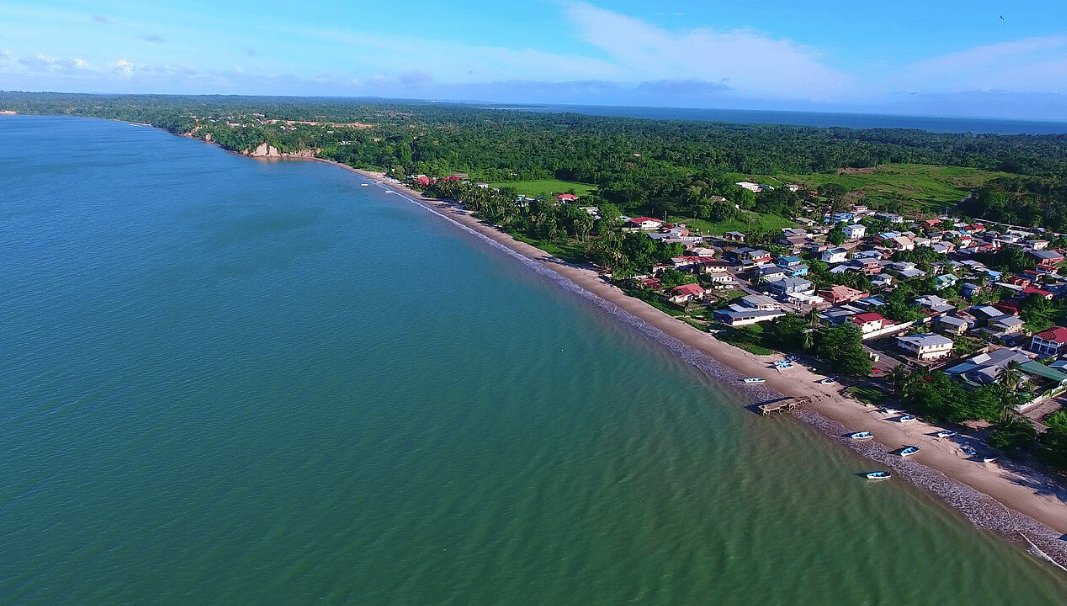
The Gulf of Paria has once again become a point of friction between Trinidad and Tobago and Venezuela, following a formal demand from Caracas for information and compensation over an oil spill reported on May 1. Venezuelan authorities claim the spill originated in Trinidadian waters and poses risks to shared ecosystems in the gulf. In Port of Spain, officials have pushed back firmly, describing the event as a minor incident involving just 10 barrels that was quickly contained with no lasting harm.
These exchanges come at a sensitive time for both nations, as communities on either side of the water depend on the gulf for fishing, transport and energy-related work. The back-and-forth highlights how even small incidents can ripple through our close-knit Caribbean neighbourhood.
Trinidad and Tobago's Energy Lifeline
Our energy sector has long been tied to the waters of the Gulf of Paria. Fields in this area have supported jobs, government revenue and the broader economy for generations. When tensions rise over maritime boundaries or environmental incidents, families who rely on oil and gas work feel the uncertainty directly. Petrotrin’s legacy and current operations at facilities like Atlantic LNG remind us that stable relations with neighbours matter for steady production and exports.
Any disruption, whether from spills or diplomatic strain, can affect the cost of living here at home. Higher energy costs or delays in projects hit household budgets, especially as inflation remains a concern across the region. The people of Trinidad and Tobago understand that careful management of these shared resources protects both livelihoods and the environment we all share.
A History of Boundary Questions
Disputes over the Gulf of Paria are not new. The waters between Trinidad and Venezuela have seen decades of discussions about maritime limits and resource sharing. Past negotiations have touched on fishing rights, exploration blocks and environmental protection, often requiring patient diplomacy. The current exchange over the May 1 spill fits into this longer story of two neighbours working out how to share a vital space.
While details of earlier agreements remain with the relevant ministries, the pattern shows that both sides have found ways to keep channels open even when disagreements surface. This latest matter will likely follow a similar path of formal exchanges rather than sudden escalation.
CARICOM and Regional Solidarity
As a member of CARICOM, Trinidad and Tobago often plays a role in helping the region speak with one voice on shared challenges. Environmental incidents in the gulf affect not only our two countries but also the wider Caribbean’s reputation for responsible resource management. Other CARICOM states watch these developments closely, knowing that cooperation on energy and climate issues strengthens all of us.
Regional bodies have previously supported dialogue on maritime matters, and this approach remains valuable. When neighbours talk through concerns rather than letting them fester, it sets a steadier course for everyone from Guyana to Jamaica and beyond.
Impact on Communities at Home
For ordinary citizens in Trinidad and Tobago, the gulf represents both opportunity and responsibility. Fishing villages along the western coast depend on clean waters, while energy workers look to stable projects for their families’ futures. An oil spill, even a small one, raises worries about marine life and long-term coastal health, especially during hurricane season when weather can spread any pollution further.
People here also remember how natural events and economic shifts affect daily life. The cost of living, public safety and job security all connect to how well we manage our natural assets. When diplomatic notes fly between capitals, communities hope for outcomes that protect both the environment and the economic links that sustain us.
Looking Ahead with Neighbourly Caution
Relations between Trinidad and Tobago and Venezuela have seen ups and downs, yet practical cooperation on energy and border matters has continued in various forms. The current request for information will likely move through official channels, with both sides presenting their positions. For the people of Trinidad and Tobago, the priority remains steady energy production, clean waters and peaceful ties that support regional stability.
As the situation develops, attention will stay on how quickly and transparently matters are handled. In our part of the world, keeping the gulf workable for all who depend on it matters more than any single headline. Neighbours who share waters must keep finding ways to talk, even when the conversation is difficult.
By Sharon Sahatoo, Staff WriterThis article was produced with AI-assisted research and editorial support. Reporting is based on sources cited in the article.
What's Your Reaction?
 Like
0
Like
0
 Dislike
0
Dislike
0
 Love
0
Love
0
 Funny
0
Funny
0
 Wow
0
Wow
0
 Sad
0
Sad
0
 Angry
0
Angry
0

Caribbean Correspondent at Global1.News. Based in Port of Spain, Trinidad, covering Caribbean politics, economy, energy, climate, and culture. Amplifying the voices and stories of the Caribbean region.









Comments (0)