
Gulf of Paria widens as Trinidad pours oil on troubled Venezuelan waters
Tensions are rising once more across the waters that link our two neighbours, as Venezuela has formally demanded information and compensation from Trinidad and Tobago over the oil spill reported on 1 May. Port of Spain maintains the incident was a minor, quickly contained spill of just ten barrels and strongly disputes any suggestion that it originated in Trinidadian waters or
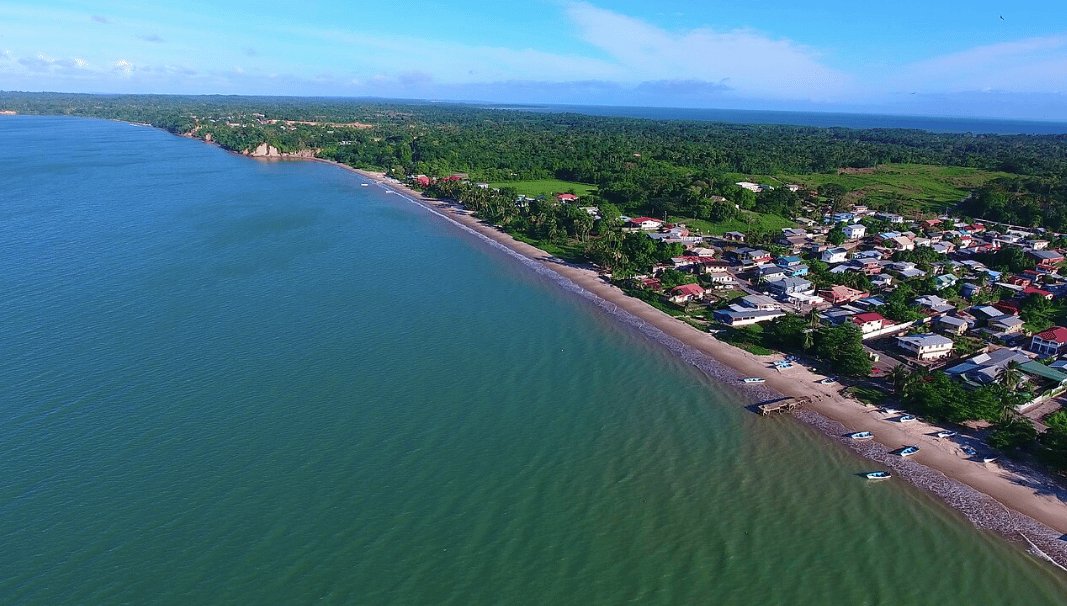
Tensions are rising once more across the waters that link our two neighbours, as Venezuela has formally demanded information and compensation from Trinidad and Tobago over the oil spill reported on 1 May. Port of Spain maintains the incident was a minor, quickly contained spill of just ten barrels and strongly disputes any suggestion that it originated in Trinidadian waters or poses serious risk to the shared Gulf of Paria. Neighbours talk, fishermen worry, and families on both sides of the divide wonder how this latest exchange will affect daily life in our region.
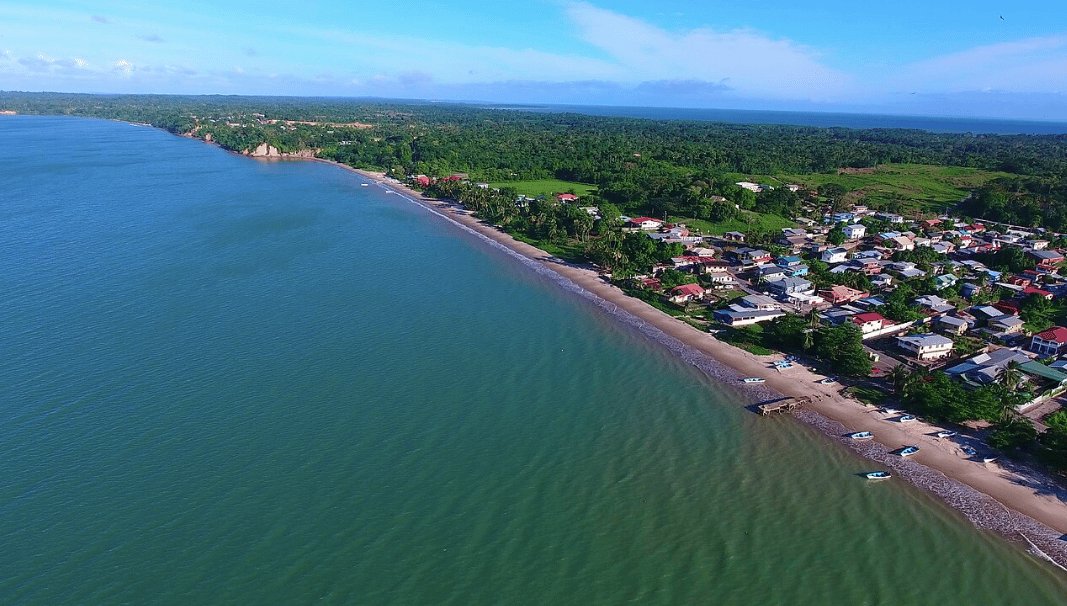
The diplomatic exchange — Venezuela's demand and Trinidad's response
Venezuela’s formal request for details and possible compensation has set diplomatic channels buzzing between Caracas and Port of Spain. Officials in the Bolivarian Republic argue that the spill threatens ecosystems they share with us and have asked for full transparency on the source and any clean-up measures already taken. Trinidad and Tobago’s response has been measured yet firm, repeating that the event involved only ten barrels and was contained rapidly without evidence of cross-border impact. In community terms, this back-and-forth feels familiar. We have seen similar exchanges over fishing rights and energy projects, always resolved through quiet talks rather than public shouting matches. The Ministry of Foreign and CARICOM Affairs has emphasised that all necessary reports were shared promptly, while environmental agencies on our side continue to monitor water quality around the south-west coast. What matters most to ordinary citizens is that dialogue remains open. A breakdown in communication could affect everything from trade routes to family visits across the Gulf. Both governments appear keen to avoid escalation, recognising that the people of Trinidad and Venezuela have long depended on these waters for their livelihoods. As talks continue, the focus stays on facts rather than blame, with hopes that technical teams from both nations can soon sit down together to review the data and reassure coastal communities on either side.The Gulf of Paria — shared waters, shared history between Trinidad and Venezuela
The Gulf of Paria has always been more than a body of water separating two countries; it is the living thread that binds Trinidad and Venezuela through centuries of movement, trade and family ties. Fishermen from Cedros and Icacos have long crossed these calm stretches to sell their catch in Venezuelan ports, while families in both nations trace relatives across the narrow divide. Hurricanes and seasonal storms remind us how quickly the same waters can turn, yet the shared history of Carnival rhythms, music and food keeps the human connection strong even when politics grow tense. Our energy history is equally intertwined. Early oil exploration in the Gulf drew workers from both sides, creating communities where Spanish and English mixed easily on the docks. Today, the same waters carry pipelines and support platforms that power our economies, but they also carry the responsibility to protect what nature has given us. Climate change adds new pressure, with rising sea levels threatening mangroves that act as natural barriers for both Trinidad’s south coast and Venezuela’s eastern shores. This shared space demands cooperation. When incidents occur, the instinct in our region is to reach across rather than point fingers, because the Gulf does not recognise borders when fish stocks or bird migrations are at stake. The current diplomatic notes are simply the latest chapter in a long story of neighbours learning to manage their common inheritance with care and respect.Environmental stakes — marine ecosystems, fisheries, mangroves
The marine life of the Gulf of Paria supports thousands of livelihoods and forms a delicate web that both nations rely upon. Mangrove forests along the Trinidad coast filter pollutants and shelter young fish, while the same ecosystems on the Venezuelan side provide breeding grounds for species that migrate freely across the water. Any spill, however small, raises legitimate questions about long-term effects on crabs, shrimp and the seabirds that feed along the shoreline. Local fishermen already notice changes in catch sizes linked to shifting currents and warmer waters driven by climate change. A reported ten-barrel incident may appear limited on paper, yet the concern from Caracas highlights how even contained events can travel through tidal flows and affect shared stocks. Environmental groups on our side stress the importance of continued monitoring, including regular water sampling and checks on mangrove health, to give communities confidence that their fishing grounds remain safe. The stakes extend beyond today’s catch. Healthy mangroves also protect against storm surges during hurricane season, a growing worry as weather patterns become less predictable. Both Trinidad and Venezuela benefit when these natural defences stay intact, which is why joint environmental assessments have been proposed in the past. Keeping the Gulf clean is not only an ecological duty but a practical necessity for food security and coastal resilience across the region.Trinidad's energy sector — how this connects to oil and gas operations
Trinidad and Tobago’s energy sector remains central to our economy, with operations in the Gulf of Paria forming part of a wider network that includes platforms, pipelines and processing facilities. The sector provides jobs, foreign exchange and revenue that help fund public services, yet it also carries the responsibility to maintain high standards of safety and environmental care. The May 1 incident, described locally as quickly contained, has prompted fresh scrutiny of operational procedures around smaller spills that can still generate regional headlines. Energy companies operating in our waters follow strict reporting rules, and the government has reiterated that all incidents are logged and addressed under existing regulations. At the same time, the sector faces pressure to balance production targets with the need to protect fisheries and tourism potential along the south coast. Many workers in the oil and gas industry come from fishing families themselves, so the conversation about spill prevention often happens at kitchen tables as well as boardrooms. Looking forward, the energy transition offers opportunities to strengthen environmental safeguards while maintaining employment. Investments in monitoring technology and rapid-response teams can reduce risks and build trust with neighbours who share the same marine space. The Gulf of Paria will continue to support our energy needs, but only if operations remain transparent and responsive to concerns raised by both governments and coastal communities.
Impact on ordinary Trinidadians — cost of living, jobs, fishing communities
For families in south Trinidad, the Gulf of Paria is not an abstract diplomatic issue but the source of daily bread. Fishing communities in places like Bonasse and Fullarton depend on steady catches to meet rising food prices and school expenses. Any uncertainty over water quality can quickly translate into fewer fish on the market and higher costs at the grocery, adding to the cost-of-living pressures already felt across the country. Jobs tied to the energy sector also matter deeply. Many households combine fishing with work on nearby platforms or support services, creating a delicate balance that a prolonged dispute could upset. Tourism operators along the south-west coast watch developments closely too, aware that negative headlines about the Gulf might affect visitor numbers during the upcoming season. Carnival celebrations and diaspora visits bring extra income, yet they rely on a reputation for clean beaches and safe waters. The human side of this story is about resilience. Trinidadian families have weathered hurricanes, economic shifts and changing energy markets before. What they ask for now is clear information and steady cooperation so that livelihoods are not caught in the middle of diplomatic notes. When neighbours talk constructively, ordinary citizens on both sides of the Gulf can plan their futures with greater confidence.Looking ahead — CARICOM, regional cooperation, what comes next
CARICOM provides the natural framework for addressing shared concerns like the Gulf of Paria. Member states have long worked together on fisheries management, disaster response and environmental protection, and this latest exchange offers an opportunity to strengthen those mechanisms. Technical working groups involving Trinidad and Tobago, Venezuela and other regional partners could review monitoring data and agree on joint response protocols for future incidents. Climate change makes such cooperation even more urgent. Rising temperatures and changing rainfall patterns affect fish migration and mangrove survival across the Caribbean, requiring coordinated strategies rather than isolated national efforts. The energy sector, too, benefits when neighbours align standards for safety and transparency, reducing the chance of misunderstandings that can escalate into larger disputes. What comes next will depend on continued dialogue and practical steps. Trinidad and Tobago has signalled willingness to share information and explore joint assessments, while Venezuela’s concerns deserve respectful attention. In our warm, community-minded region, solutions usually emerge when people sit together, share a meal and focus on the waters that sustain us all. The Gulf of Paria has connected us for generations; with care and honest conversation, it can continue to do so for many more. By Sharon Sahatoo, Staff WriterThis article was produced with AI-assisted research and editorial support. Reporting is based on sources cited in the article.
What's Your Reaction?
 Like
0
Like
0
 Dislike
0
Dislike
0
 Love
0
Love
0
 Funny
0
Funny
0
 Wow
0
Wow
0
 Sad
0
Sad
0
 Angry
0
Angry
0
Sharon Sahatoo
Caribbean Correspondent at Global1.News. Based in Port of Spain, Trinidad, covering Caribbean politics, economy, energy, climate, and culture. Amplifying the voices and stories of the Caribbean region.










Comments (0)