
Modi Invites NZ Universities to Open Campuses in India
India's push to internationalise higher education gained fresh momentum this week as Prime Minister Narendra Modi extended a direct invitation to New Zealand universities during his landmark visit to Auckland. Modi Opens Door for New Zealand Campuses in India Under UGC Rules New Delhi — Prime Minister Narendra Modi's July 10-11, 2026 visit to Auckland marked the first by an Ind
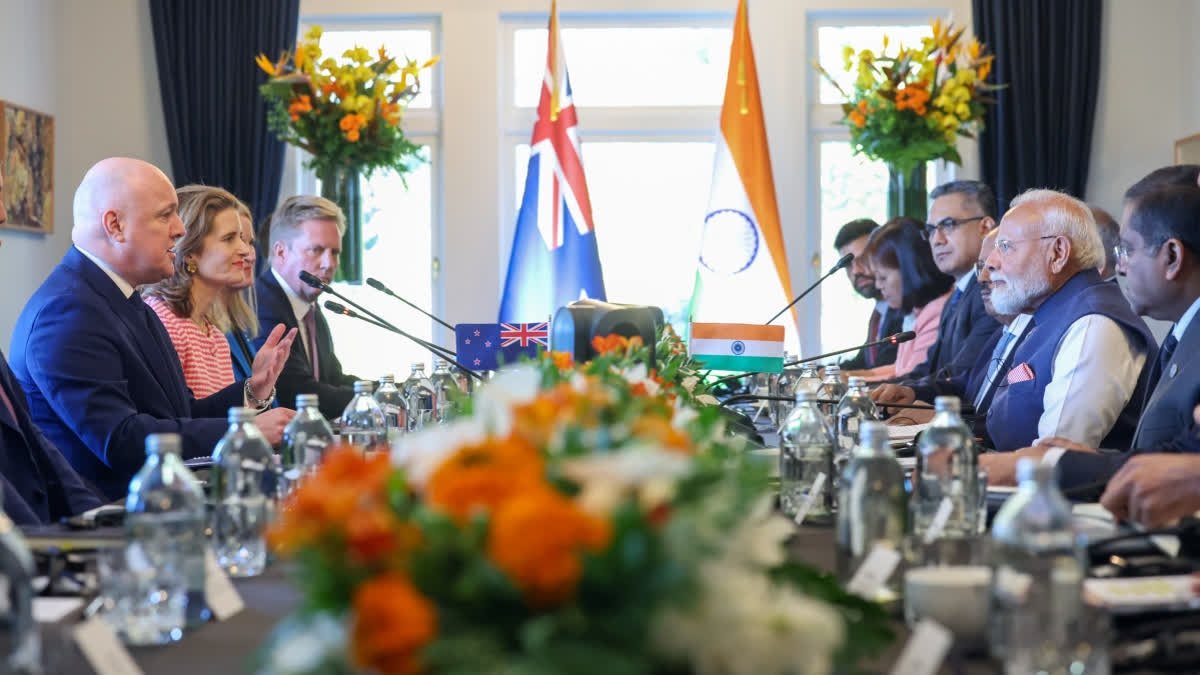
Modi Opens Door for New Zealand Campuses in India Under UGC Rules
New Delhi — Prime Minister Narendra Modi's July 10-11, 2026 visit to Auckland marked the first by an Indian premier in four decades, since Rajiv Gandhi's 1986 trip. The two nations signed 18 bilateral agreements and elevated ties to a Strategic Partnership with a Roadmap to 2030. Central to the education track was Modi's call for New Zealand universities to establish campuses in India under existing University Grants Commission regulations.
Historic Reset in Bilateral Education Ties
The visit built directly on the India-New Zealand Free Trade Agreement signed in April 2026, which removes tariffs on 95 percent of New Zealand exports while granting full duty-free access for Indian goods. Education formed a core pillar of the new framework. Modi specifically urged New Zealand institutions to utilise the UGC portal opened in November 2023 for globally ranked universities.
University of Waikato Leads with Concrete Plans
The University of Waikato responded immediately by announcing a new Indian campus spanning two cities, scheduled to open in September 2028 with capacity for up to 5,000 students. Waikato already hosts 850 Indian students at its Hamilton campus out of 2,800 international enrolments and maintains partnerships with 25 Indian institutions. This move aligns with the 18-19 foreign universities that have already secured UGC and IFSCA approvals, including the University of Southampton in Gurugram, Deakin University and University of Wollongong in GIFT City, Gujarat, plus campuses planned for Mumbai and Bengaluru.
NEP 2020 and Regulatory Framework Drive Change
India's National Education Policy 2020 elevated internationalisation as a national priority. The UGC regulations now permit top-500 global universities to operate branch campuses, allowing Indian students to access foreign degrees without leaving the country. With half of India's 1.4 billion population under 25, domestic capacity expansion remains critical. Indian families currently spend approximately $60 billion annually on overseas education; retaining a larger share domestically forms an explicit policy objective.
Economic and Demographic Implications
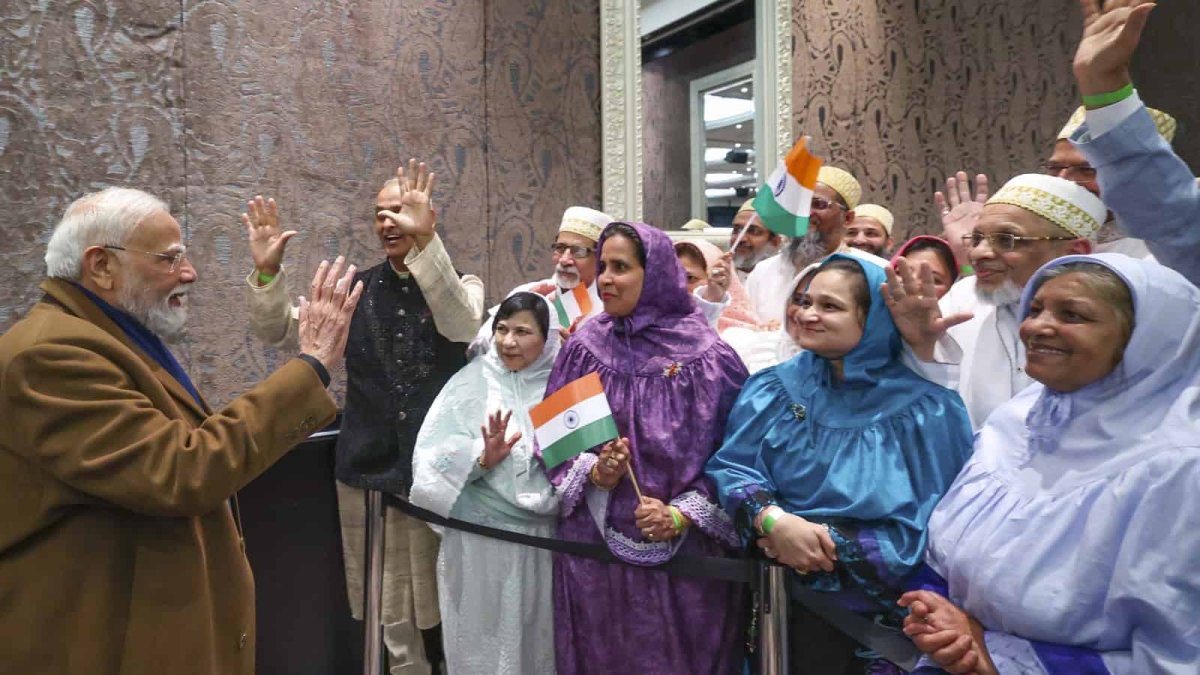
The bilateral trade target of NZ$7 billion (Rs 35,000 crore) by 2030 coincides with India's projected 6.9 percent GDP growth. For students in cities such as Delhi, Bengaluru and Ahmedabad, local access to New Zealand qualifications could reduce costs and ease migration pressures. Taxpayers benefit as foreign direct investment in education infrastructure rises without additional public expenditure. The Indian diaspora in New Zealand, now comprising 6 percent of the population and one of the fastest-growing migrant communities, played a visible role at the Auckland community event where Modi described them as "sailors of this golden century."
Strategic Partnership and Long-Term Roadmap
The Roadmap to 2030 embeds education within broader strategic cooperation. Existing foreign campuses in Gurugram and GIFT City demonstrate regulatory readiness. For Indian higher education institutions, competition from established foreign providers will accelerate quality improvements while expanding overall seat capacity. The policy framework positions India as both a destination and a partner in global education delivery.
— By Dr. Raj Patel, Staff WriterThis article was produced with AI-assisted research and editorial support. Reporting is based on sources cited in the article.
What's Your Reaction?
 Like
0
Like
0
 Dislike
0
Dislike
0
 Love
0
Love
0
 Funny
0
Funny
0
 Wow
0
Wow
0
 Sad
0
Sad
0
 Angry
0
Angry
0

Caribbean Correspondent at Global1.News. Based in Port of Spain, Trinidad, covering Caribbean politics, economy, energy, climate, and culture. Amplifying the voices and stories of the Caribbean region.














Comments (0)