
Cuba Blackout Sparks Spontaneous Protests Nationwide
The Blackout and Spontaneous Protests Cubans across multiple regions took to the streets on Tuesday evening, banging pots in a raw display of frustration over the latest nationwide power outage. This spontaneous act of dissent, rare in a country where public criticism often leads to lengthy prison terms, erupted most visibly in neighborhoods hit hardest by the prolonged darknes
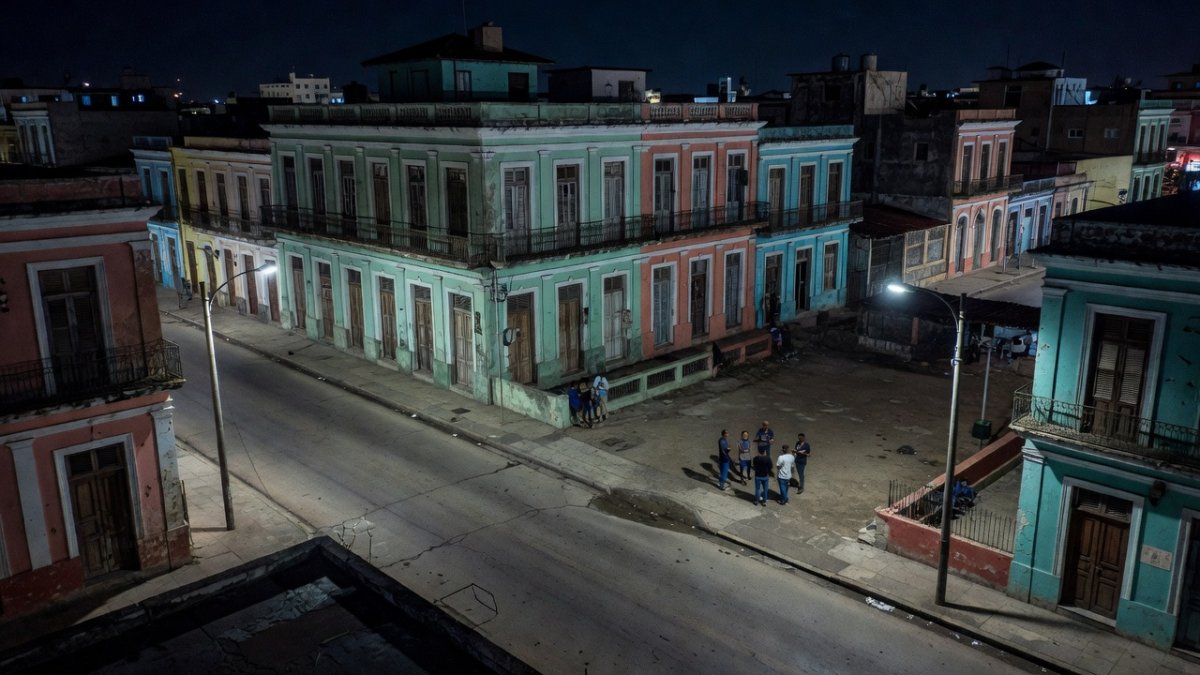
The Blackout and Spontaneous Protests
Cubans across multiple regions took to the streets on Tuesday evening, banging pots in a raw display of frustration over the latest nationwide power outage. This spontaneous act of dissent, rare in a country where public criticism often leads to lengthy prison terms, erupted most visibly in neighborhoods hit hardest by the prolonged darkness. The protests underscored the depth of daily hardship as residents voiced their exhaustion with repeated failures in the electricity supply. Santiago de Cuba, the island's second-largest city, remained without power well into the evening, leaving thousands in the dark while officials reported partial restorations elsewhere.
Monday's blackout marked the third nationwide outage this year, compounding the effects of already scheduled rolling cuts designed to stretch limited fuel reserves. Rural communities have endured up to 70 hours without electricity in stretches, while urban zones face planned interruptions reaching 30 hours. The state electricity company offered no immediate explanation for the unplanned failure, leaving residents to speculate amid the heat and uncertainty. These events have disrupted routines across the island, from evening meals to essential nighttime activities, highlighting how energy instability has become a constant backdrop to life in Cuba.
The pot-banging protests reflect a growing willingness among ordinary citizens to express discontent publicly despite the risks. In areas where outages drag on longest, the sound of metal on metal echoed as a collective signal of anger and desperation. Local reports indicated that some participants shouted demands like "turn on the lights" in zones still affected on Tuesday. This wave of unrest arrives against a backdrop of cumulative strain from multiple blackouts, pushing communities to the edge while authorities struggle to stabilize the grid.
Fuel Crisis and the US Blockade
Tight US sanctions have intensified Cuba's fuel shortages, creating an effective blockade on oil shipments that leaves even generator owners without the means to operate during outages. The restrictions include threats of tariffs against any country supplying fuel to the island, further isolating Cuba from reliable energy imports. This policy framework has made it nearly impossible for the country to secure consistent supplies, turning what might be temporary disruptions into extended crises. The result is a system where backup power remains largely theoretical for most households and businesses.
The sanctions have compounded existing vulnerabilities in Cuba's energy infrastructure, where dependence on imported oil leaves little room for resilience. Officials have noted that the measures, escalated in recent months, target not only direct shipments but also broader economic channels that could support fuel purchases. This approach has left the island particularly exposed during periods of high demand or unexpected failures. Daily life in cities and countryside alike feels the pinch, as transportation and small-scale industry grind to a halt without reliable power sources.
Regional comparisons reveal how such external pressures amplify internal challenges across Latin America. Cuba's situation mirrors struggles in nations where geopolitical tensions intersect with energy needs, limiting options for diversification. The blockade's reach extends beyond immediate fuel access, affecting maintenance and long-term planning for the grid. Residents report that even modest generator use has become unsustainable, forcing reliance on state-managed cuts that prioritize conservation over continuity.
Political Standoff
Cuban President Miguel Diaz-Canel has pointed directly at US policies as the root cause of the power cuts, urging citizens to channel their protests northward rather than toward Havana. In remarks to reporters from Claridad, he acknowledged widespread dissatisfaction stemming from shortages but framed the energy crisis as externally driven. This stance reflects ongoing tensions that have defined US-Cuban relations for decades, now sharpened by fresh measures since the start of the year. Diaz-Canel's comments highlight the government's effort to redirect public anger amid mounting domestic pressure.
US Ambassador to the United Nations Michael Waltz countered by placing responsibility on Cuban authorities, calling during a UN General Assembly meeting for the government to "change your ways and turn the lights back on for your people." He noted that power always seems available for official needs, suggesting mismanagement over external factors. Cuban Foreign Minister Bruno Rodriguez responded by accusing the US of multi-dimensional warfare that has grown more severe in recent months. These exchanges have played out publicly even as private talks between the two sides continue without visible advancement.
The diplomatic impasse leaves little immediate hope for relief, with Rodriguez stating that discussions show no progress while keeping open the possibility of dialogue grounded in mutual respect and non-interference. The standoff has roots in accusations from US President Donald Trump linking Cuba to national security concerns, followed by additional sanctions and charges against former president Raul Castro. Such rhetoric has hardened positions on both sides, complicating efforts to address the energy shortfall through practical cooperation.
Humanitarian Toll on Ordinary Cubans
Prolonged power outages have taken a severe toll on daily life, exacerbating shortages of transport, food, and medicines that already strain Cuban households. President Diaz-Canel himself described how cuts lasting more than 20 hours fuel widespread discontent, noting that no one can remain happy under such conditions. Families in rural areas face up to 70 hours of darkness, disrupting everything from food preservation to medical care for chronic conditions. Urban residents endure planned 30-hour interruptions that compound the effects of the unplanned nationwide failures.
The human cost extends to basic mobility and nutrition, as fuel scarcity halts buses and trucks while refrigeration failures lead to spoilage. Medicine distribution suffers when cold chains break, leaving patients without reliable access to treatments. These hardships hit hardest in communities already navigating economic pressures, where the lack of electricity turns routine tasks into ordeals. The cumulative impact of three major outages this year has left many Cubans questioning how long such conditions can persist without broader consequences for public health and social stability.
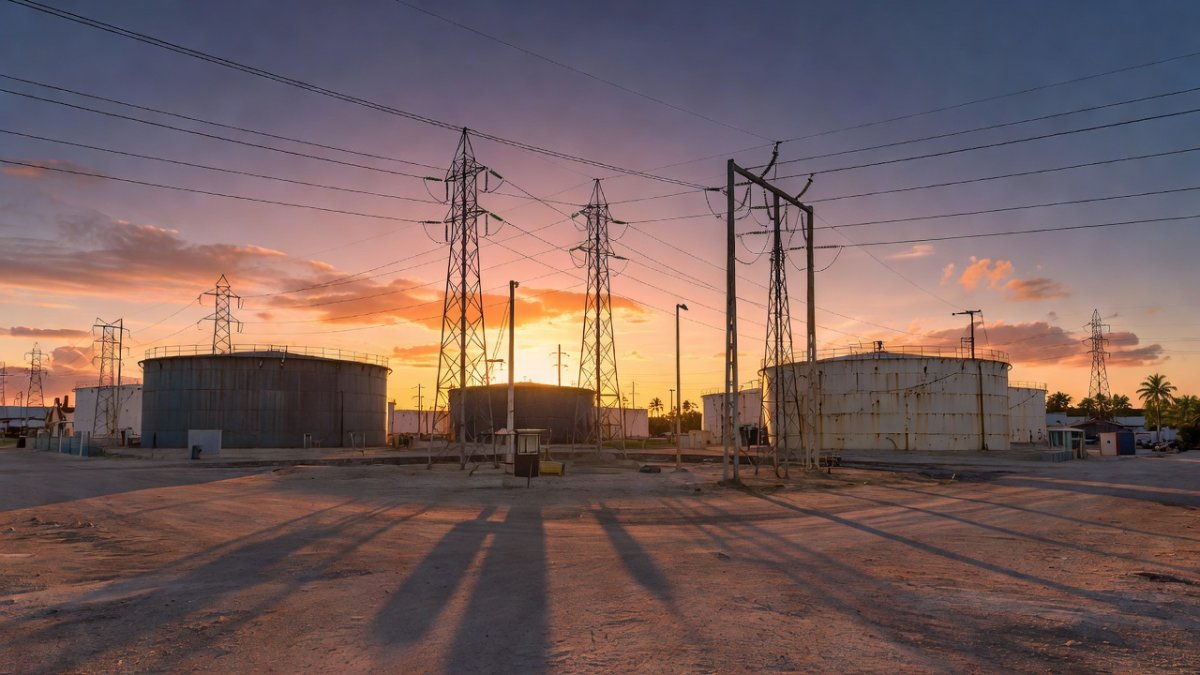
Ordinary citizens describe a sense of exhaustion that permeates work, family, and community interactions. Children study by candlelight when possible, while elders manage health issues without consistent support systems. The rolling cuts, intended to conserve fuel, instead create a cycle of uncertainty that affects employment and education across the island. This reality underscores the interconnected nature of energy access with every aspect of life in Cuba today.
Regional Energy Parallels
Cuba's energy struggles find echoes across Latin America, particularly in Venezuela where the seizure of former President Nicolas Maduro in January triggered further regional instability. Similar fuel access issues have plagued Haiti, where political upheaval and limited infrastructure leave populations vulnerable to extended blackouts. These parallels highlight how external sanctions and internal governance challenges intersect to constrain energy security in multiple nations. Comparisons with Brazil's own push for diversified sources reveal shared vulnerabilities in grids reliant on imported fuels.
In Venezuela, the fallout from political shifts has mirrored Cuba's difficulties in maintaining consistent supply lines amid international pressures. Haiti faces chronic shortages that disrupt urban and rural life alike, much like the 70-hour rural outages reported on the island. Other countries in the region, including those balancing trade relations with the US, navigate tariffs and restrictions that limit fuel options. These dynamics create a broader pattern where energy crises become tied to geopolitical maneuvering rather than purely technical failures.
The experiences in these nations underscore the need for regional cooperation on energy resilience. Cuba's situation, amplified by the oil blockade, serves as a stark example of how sanctions can cascade into humanitarian effects felt daily by families. Parallels with neighbors facing comparable constraints offer lessons on the importance of local adaptation strategies amid external constraints. Such comparisons place Cuba's third outage this year within a wider Latin American context of energy insecurity.
Climate Adaptation and the Road Ahead
Cuba holds significant potential for renewable energy development, including solar and wind resources that could reduce dependence on imported oil and buffer against future blackouts. Grid modernization efforts would need to prioritize decentralized systems capable of withstanding both technical faults and external supply disruptions. As a Brazilian climate journalist observing from the region, the island's challenges reflect wider Latin American patterns where fossil fuel reliance leaves nations exposed to sanctions and market volatility. Investment in these alternatives could transform daily life by providing more stable access for transport, food storage, and medical services.
The road ahead involves navigating political tensions while advancing practical steps toward sustainability. Private talks between US and Cuban officials, though stalled, could eventually open pathways for technology transfers that support cleaner energy infrastructure. Regional examples from countries investing in renewables demonstrate how such shifts can mitigate the humanitarian toll seen in prolonged outages. For Cuba, integrating these options would address not only immediate fuel shortages but also long-term climate vulnerabilities affecting agriculture and coastal communities.
Ultimately, the combination of spontaneous protests and official acknowledgments of suffering points to an urgent need for solutions that prioritize people over prolonged standoffs. Climate adaptation in this context means building systems resilient to both political and environmental pressures. Latin American neighbors offer models for balancing energy needs with geopolitical realities, suggesting that dialogue and innovation remain essential for Cuba's path forward.
By Elena Vasquez, Staff WriterThis article was produced with AI-assisted research and editorial support. Reporting is based on sources cited in the article.
What's Your Reaction?
 Like
0
Like
0
 Dislike
0
Dislike
0
 Love
0
Love
0
 Funny
0
Funny
0
 Wow
0
Wow
0
 Sad
0
Sad
0
 Angry
0
Angry
0

Latin America Correspondent at Global1.News. Based in Mexico City, covering politics, economics, energy, and culture across the region. Brings an on-the-ground perspective to stories spanning from the Rio Grande to Patagonia.














Comments (0)