
Zulu king expresses regret after video captures tirade against his wife
The Weight of Words from the Throne In the quiet moments of reflection that follow public storms, one is reminded how even ceremonial voices carry deep echoes across communities. The recent video involving King Misuzulu kaZwelithini of the Zulu people has stirred conversations far beyond South Africa's borders. As a Senegalese observer, I see in this episode familiar threads th
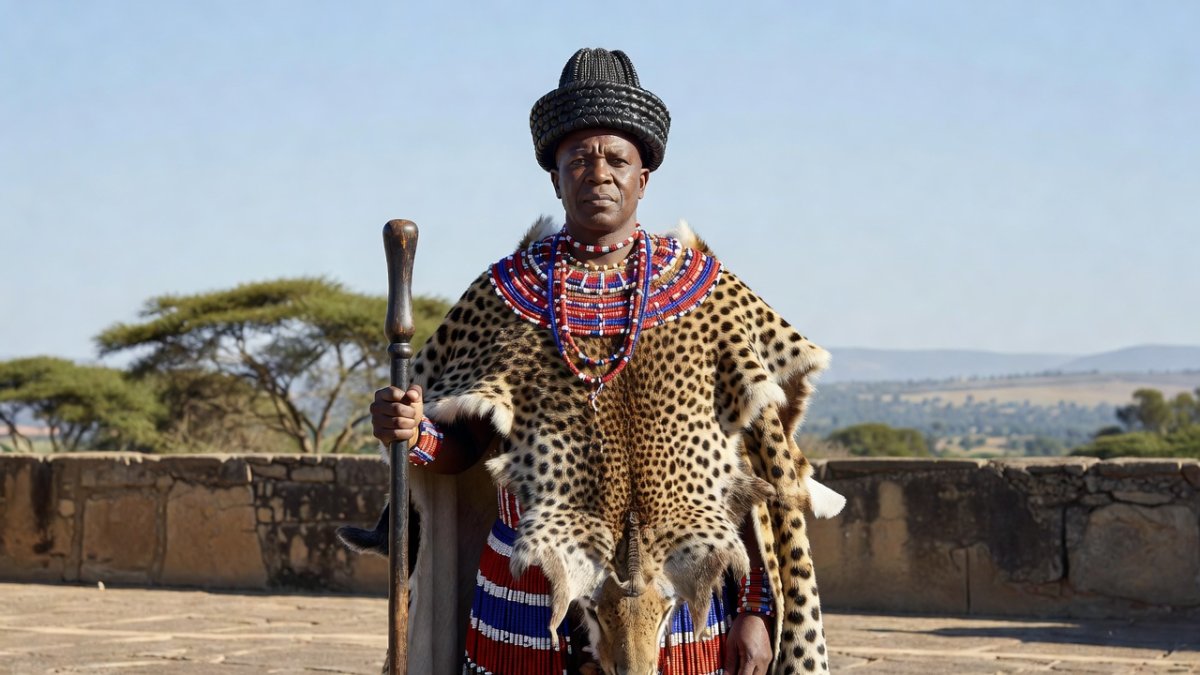
The Weight of Words from the Throne
In the quiet moments of reflection that follow public storms, one is reminded how even ceremonial voices carry deep echoes across communities. The recent video involving King Misuzulu kaZwelithini of the Zulu people has stirred conversations far beyond South Africa's borders. As a Senegalese observer, I see in this episode familiar threads that run through many African societies where tradition and personal life intersect under intense scrutiny.
Details of the Recorded Exchange
The footage, shared widely on Wednesday, shows the king addressing Queen Nomzamo Myeni, his third wife whom he married last November. He speaks of excursions taken without permission and accuses her of an affair, while threatening physical action and declaring he wants her out of the house. The queen, who appears to be filming, remains silent until the end, when she remarks that this is the life she lives day and night. The king also mentions having a girlfriend waiting and refers to becoming monarch through witchcraft.
These words emerged during a period when the royal household already navigated family tensions following the king's coronation after a year-long dispute over succession and his father's will. The video's release timing coincided with the couple receiving politicians for official duties, highlighting the contrast between private strain and public responsibility.
The Royal Household Statement
By Friday the king's office released a statement expressing deep regret for the pain and embarrassment caused within royal circles and the wider Zulu community. It described the recordings as historical and clarified that they do not reflect current circumstances. The statement emphasised reconciliation and reflection, noting that joint engagements demonstrate the difficult moments captured have given way to renewed understanding.
Such clarifications matter in households where public image and private harmony must coexist. The Zulu king holds a ceremonial role yet receives a yearly government-funded budget of several million dollars, underscoring the blend of tradition and state support that shapes his influence.
Gender Expectations and Broader Realities
Zulu society, like many across the continent, places marriage and polygamy at the centre of royal continuity. Women often navigate expectations of compliance with traditional norms. South Africa has classified gender-based violence as a national disaster, reflecting high rates that affect daily life in townships and rural areas alike.
From Senegal, where similar conversations unfold around family structures and women's agency, the video prompts thought about how private disputes become public when power imbalances exist. South African journalist Asanda Magaqa observed that while filming private moments is rarely encouraged, the recording reveals why some feel compelled to document their experiences. No woman deserves to live under such conditions, she noted on social media.
The earlier legal challenge by Queen Ntokozo kaMayisela, the king's first wife, who sought to halt the marriage on bigamy grounds before a judge dismissed the case, further illustrates the layered negotiations within polygamous royal unions.
Public Reactions and Continental Conversations
Social media responses split sharply. Some condemned the language as abusive and undignified, while others criticised the queen for bringing private matters into the open. These divides mirror discussions in Senegal and elsewhere about loyalty, dignity, and the right to speak out.
Across Africa, traditional leaders continue to shape cultural identity even as modern institutions advance women's legal protections. In daily life, from markets in Dakar to villages in KwaZulu-Natal, families weigh respect for elders against individual well-being. The Zulu king's influence, described as that of the lion of the nation, shows how symbolic authority still touches questions of economy, custom, and community cohesion.
Tradition, Reflection, and Shared Paths Forward
The episode invites wider reflection on how African royalty adapts amid changing expectations. Reconciliation statements from the household point toward ongoing dialogue rather than final rupture. In Senegal, traditional authorities have likewise faced moments when personal conduct tested communal trust, yet many have found ways to reaffirm values of respect and mutual support.
Ultimately, the story underscores that leadership, whether ceremonial or otherwise, carries responsibilities that extend into the home. As communities across the continent continue to balance age-old customs with contemporary calls for equity, such moments serve as reminders that growth often begins with honest acknowledgment of pain and a commitment to better understanding.
By Amara Diop, Staff WriterThis article was produced with AI-assisted research and editorial support. Reporting is based on sources cited in the article.
What's Your Reaction?
 Like
0
Like
0
 Dislike
0
Dislike
0
 Love
0
Love
0
 Funny
0
Funny
0
 Wow
0
Wow
0
 Sad
0
Sad
0
 Angry
0
Angry
0

West Africa/Sahel Correspondent at Global1.News. Dakar-based journalist covering politics, security, climate, and development across Francophone and Anglophone West Africa. Tells the stories of a region undergoing profound transformation.











Comments (0)