
Mali's Cultural Biennial Brings Timbuktu Back to Life
Timbuktu, the legendary "City of 333 Saints" at the edge of the Sahara, has witnessed countless chapters of African history. But in the final weeks of 2025, the ancient desert city wrote a new story — one of cultural revival, national unity, and artistic triumph as it hosted the Mali National Cultural and Artistic Biennial for the first time in its history. Mali's Cultural and
Timbuktu, the legendary "City of 333 Saints" at the edge of the Sahara, has witnessed countless chapters of African history. But in the final weeks of 2025, the ancient desert city wrote a new story — one of cultural revival, national unity, and artistic triumph as it hosted the Mali National Cultural and Artistic Biennial for the first time in its history.
Mali's Cultural and Artistic Biennial Brings Timbuktu Back to Life as a Beacon of National Unity and Creative Revival
Timbuktu, Mali — From December 18 to 28, 2025, the historic city of Timbuktu transformed into a vibrant theater of Malian identity, hosting all 20 regions of the country in a landmark cultural festival that demonstrated the power of the arts to heal, unite, and inspire. The biennial, created in the aftermath of Mali's independence, had never before been held in the legendary Saharan city — until now.
A Historic Return to the City of 333 Saints
Timbuktu stands as a UNESCO World Heritage site known as the City of 333 Saints, where scholars once gathered from across the Sahel to study in its famed libraries and mosques. Its 700-year-old mosque drew pilgrims and traders along ancient caravan routes, anchoring Islamic learning deep in the Sahara. Hosting the Biennale Artistique et Culturelle de Tombouctou 2025 marked the first time the event returned to this cradle of culture since its creation after Mali's independence.
The Flame of Peace monument, originally built to symbolize the end of the Tuareg rebellion, was transformed into an open-air stage for performances that filled the nights with song and dance. Local crews had renovated several historic libraries and reopened sites long closed by insecurity, allowing visitors to walk through restored manuscript rooms once more. These steps signaled a deliberate return to normalcy after years of instability in northern Mali.
Security enhancements and women's sensitization caravans organized in the months before the event made safe passage possible for delegations traveling from distant regions. In August 2025, 28,000 ancient manuscripts returned to Timbuktu after 13 years in exile, restoring a vital piece of the city's intellectual heritage just before the biennial began. The October 2025 celebrations at the 700-year-old mosque further prepared the ground for this cultural homecoming.
From a Senegalese vantage point, the sight of Timbuktu reclaiming its role echoes the way our own griot lineages in Dakar and Saint-Louis keep history alive through performance. The biennial proved that culture can stitch together fractured spaces when political efforts alone fall short. Local partners including Wells Bring Hope supported community engagement that brought residents into the preparations from the start.
The decision to stage the event here carried weight across the Sahel, reminding neighbors that Mali's northern gateway remains open to the wider continent. Renovated sites now stand ready for future gatherings that will draw artists and scholars once again.
Opening Ceremonies and National Participation
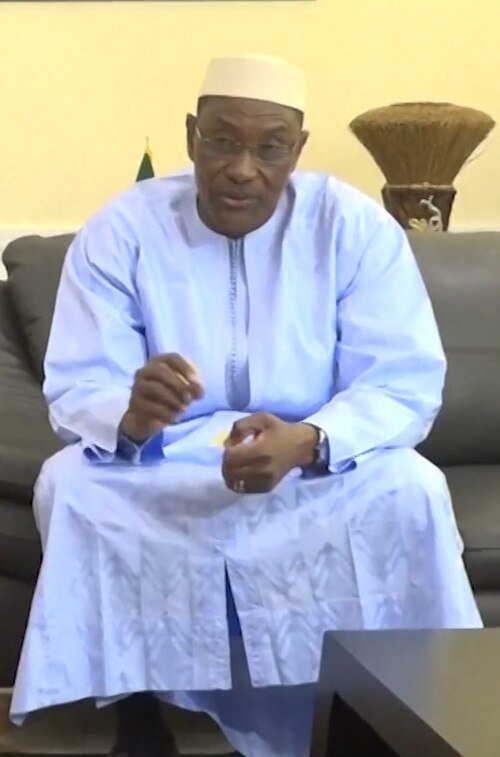
Prime Minister General Abdoulaye Maïga inaugurated the Biennale Artistique et Culturelle de Tombouctou 2025 on December 18 on behalf of President Assimi Goïta, opening ten days of competition and celebration. Minister of Culture Mamou Daffé co-organized the event alongside regional cultural offices, ensuring every detail reflected the national scope of the gathering. The official theme, "La Culture, pilier pour bâtir le Mali nouveau," framed the entire program as part of the government's designated Année de la Culture au Mali.
Three hundred thirty-three dancers performed as a living tribute to Timbuktu's Sufi saints, their movements tracing the city's spiritual geography across the Flame of Peace stage. Delegations from all 19 regions of Mali plus the Bamako district arrived to compete in five artistic disciplines, turning the desert city into a living map of national diversity. Each group brought instruments, costumes, and stories rooted in their home territories.
The opening procession wound through restored streets lined with spectators who had waited years for such a moment. Prime Minister Maïga's speech emphasized that culture would serve as the foundation for the new Mali, a message that resonated with artists who had preserved traditions through difficult times. Minister Daffé coordinated logistics that allowed troupes to rehearse and perform without the barriers that once divided the country.
Five artistic disciplines tested the delegations in music, dance, theater, visual arts, and oral tradition, creating a structure that rewarded both excellence and collaboration. The presence of all regions demonstrated that the biennial belonged to every corner of Mali, not only the capital. This inclusive format strengthened ties between communities that had grown distant during years of conflict.
Local organizers prepared venues that honored both ancient and contemporary expressions, from manuscript displays to modern stage lighting. The opening set a tone of unity that carried through the following days of competition and exchange.
Senegalese observers recognized in these ceremonies the same spirit that animates our own national festivals, where performance becomes a language of belonging across regions.
Voices of a New Generation
Tinazoum Cissé, known as Daïcha, represented the Taoudéni region with her performance of "Ai Ouladna," a piece that moved audiences to tears with its blend of traditional Tuareg rhythms and contemporary lyrics. Her voice carried stories of resilience that connected desert communities to the wider nation. Young artists like her showed how the biennial gives space for innovation while honoring ancestral forms.
Awa Demba Samaké, a medical student from Bamako, spoke during a youth forum about the responsibility of artists during Mali's political transition. She described how her generation uses song and theater to address health, education, and governance in ways that reach listeners traditional leaders sometimes cannot. Her words highlighted the biennial's role as a bridge between generations.
Performers from across the country used the platform to inspire change, weaving messages of peace and development into their acts. The competition format encouraged creativity while demanding cultural preservation, pushing artists to refine techniques passed down through families. Many credited the event with giving them confidence to carry traditions forward in new contexts.
Workshops held between competitions allowed established masters to mentor emerging talents, creating direct lines of transmission that strengthen Malian artistic lineages. These exchanges mirrored practices in Senegalese cultural centers where elders and youth collaborate on stage. The biennial thus became more than a contest; it served as a living school of heritage.
Delegations returned home with new ideas and strengthened networks that will shape the next wave of Malian creativity. The presence of medical students like Awa Demba Samaké alongside professional artists underscored how culture intersects with every sector of society.
Young voices at the biennial reminded observers that Mali's future rests in the hands of those willing to sing, dance, and speak their truths in public spaces once closed by fear.
Culture as Economic Engine and Diplomatic Signal
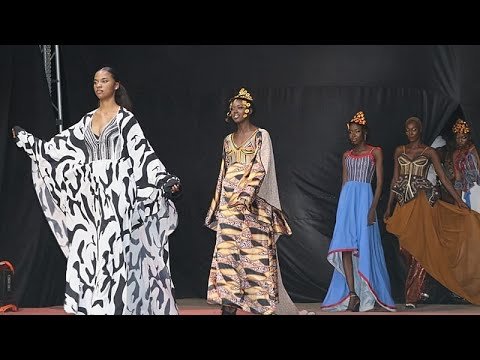
Designer Boubacar AG Midaye, founder of Mida Style, brought together Tuareg designs and southern Malian fabrics in a "Made in Timbuktu" fashion showcase that drew buyers from several West African countries. His collections demonstrated how the biennial could stimulate the creative economy by linking northern and southern traditions in wearable art. Local tailors and weavers gained immediate orders during the ten-day event.
The economic boost reached hospitality, trade, and commerce as hotels, markets, and transport operators welcomed visitors from every region. UNESCO panels on "Media, Youth, and Cultural Heritage" drew experts who discussed how digital tools can protect and promote Malian traditions. These discussions positioned Timbuktu as a site for forward-looking cultural policy.
The UNICEF Village at the biennial focused on child rights, health, education, and protection, offering workshops that connected artistic expression to community well-being. Cultural Minister Andogoly Guindo stated that the success of the event sends a clear signal that Timbuktu is open for international tourism once more. About 100 Russian tourists visited for the event, according to Mali Tourism director Keita, marking an early return of foreign visitors.
Security enhancements allowed these economic and diplomatic gains to take root without incident. Women's sensitization caravans had prepared communities to welcome outsiders and participate fully in the opportunities the biennial created. The combination of culture and commerce showed how heritage can generate sustainable livelihoods across the Sahel.
From Dakar, the sight of Timbuktu leveraging its history for economic revival offers lessons for Senegal's own heritage sites seeking similar balance between preservation and growth. The event proved that when governments invest in culture, private creators and local businesses follow with energy and capital.
Minister Guindo's declaration that Timbuktu stands ready for tourism carried weight beyond Mali's borders, inviting renewed partnerships across Africa and further afield.
Competition Triumphs and Regional Pride
The Bougouni regional troupe took first place in the artistic competition, earning national recognition for their disciplined performances across multiple disciplines. Dioïla finished second and Tombouctou third, showing that the host region could compete strongly even while managing logistics. These results celebrated both excellence and the diversity of Malian artistic expression.
The Kidal Orchestra received 14 million FCFA in support from local authorities and earned a special prize from the Prime Minister for their stirring renditions that bridged Tuareg and southern styles. Regional troupes from Kidal, Ménaka, Sikasso, and Mopti brought distinct instruments and narratives that enriched the overall program. The competitive element drove artistic excellence while fostering mutual respect among participants.
Women's sensitization caravans had encouraged female artists to join delegations, resulting in stronger representation across all five disciplines. Security enhancements ensured that troupes from every region could travel and perform without fear, allowing the focus to remain on creativity. The awards ceremony highlighted how regional pride fuels national cohesion when given a fair platform.
Judges noted improvements in technique and innovation compared with previous editions, crediting the return to Timbuktu for inspiring deeper engagement with heritage. Troupes exchanged contacts and planned future collaborations that will extend the biennial's impact beyond the ten days. The results demonstrated that competition can strengthen rather than divide when rooted in shared cultural values.
Prime Minister Maïga's special recognition of the Kidal Orchestra underscored the government's commitment to supporting artists from every corner of the country. These victories will motivate preparations for the next cycle and keep regional cultural offices active throughout the year.
The outcomes reinforced that Mali's strength lies in the distinct voices of its regions coming together in one arena.
The Road Ahead: Timbuktu's Cultural Renaissance
Future editions of the biennial will rotate to Bougouni in 2027, Koulikoro in 2029, and Gao in 2031, ensuring that the event continues to reach every part of Mali. A handover ceremony scheduled for early 2026 will pass organizational knowledge to the next host region while Timbuktu begins planning its role as a permanent cultural hub. The inauguration of a new hall honoring legendary musician Ali Farka Touré added a lasting landmark to the city's revived cultural infrastructure.
The return of 28,000 ancient manuscripts in August 2025 and the October 2025 celebrations at the 700-year-old mosque set the stage for this renaissance. Security enhancements that made the December event possible will remain in place to protect future gatherings. These measures send the message that Malian culture is not a relic of history but the cornerstone of the country's future.
Local artists and officials expressed hope that the biennial's success will attract sustained investment in training programs and performance spaces across the north. The event's emphasis on youth participation ensures that the next generation will carry forward the traditions celebrated in Timbuktu. Connections formed during the ten days will support touring companies and festivals that keep Malian music and dance alive on international stages.
From a Senegalese perspective, Timbuktu's revival recalls how our own cultural institutions recovered after periods of challenge, always drawing strength from the griot spirit that refuses to let heritage fade. The biennial proved that when a nation places culture at the center of its renewal, the results reach beyond stages into daily life and economic opportunity.
The road ahead points toward deeper integration of arts into education, tourism, and diplomacy, with Timbuktu leading the way. Mali's decision to rotate the event guarantees that every region will eventually host this national celebration, spreading the benefits of cultural investment evenly.
The final performances left audiences with the conviction that Timbuktu's story continues, written now by living artists who claim their place in Africa's unfolding narrative.
By Amara Diop, Staff Writer
This article was produced with AI-assisted research and editorial support. Reporting is based on sources cited in the article.
What's Your Reaction?
 Like
0
Like
0
 Dislike
0
Dislike
0
 Love
0
Love
0
 Funny
0
Funny
0
 Wow
0
Wow
0
 Sad
0
Sad
0
 Angry
0
Angry
0

West Africa/Sahel Correspondent at Global1.News. Dakar-based journalist covering politics, security, climate, and development across Francophone and Anglophone West Africa. Tells the stories of a region undergoing profound transformation.












Comments (0)