
Startup's Perovskite Solar Cells Could Power Japan's Snowy Regions
Japan faces persistent difficulties generating solar power in regions that experience heavy winter snowfall. The Sea of Japan coast, including the Hokuriku area spanning Niigata, Toyama, and Ishikawa prefectures, records some of the highest annual snowfalls globally. Traditional silicon panels often become covered, sharply reducing output during the winter months when energy de
Japan faces persistent difficulties generating solar power in regions that experience heavy winter snowfall. The Sea of Japan coast, including the Hokuriku area spanning Niigata, Toyama, and Ishikawa prefectures, records some of the highest annual snowfalls globally. Traditional silicon panels often become covered, sharply reducing output during the winter months when energy demand rises.
Challenges in Snowy Regions
Accumulated snow blocks sunlight and adds weight that many rooftops and structures cannot support. Conventional panels require robust mounting systems, limiting installation options in older buildings or remote sites common along the coast. Power generation drops significantly from December through February, undermining the reliability of solar as a year-round resource.
Perovskite Solar Cells: A Lightweight Alternative
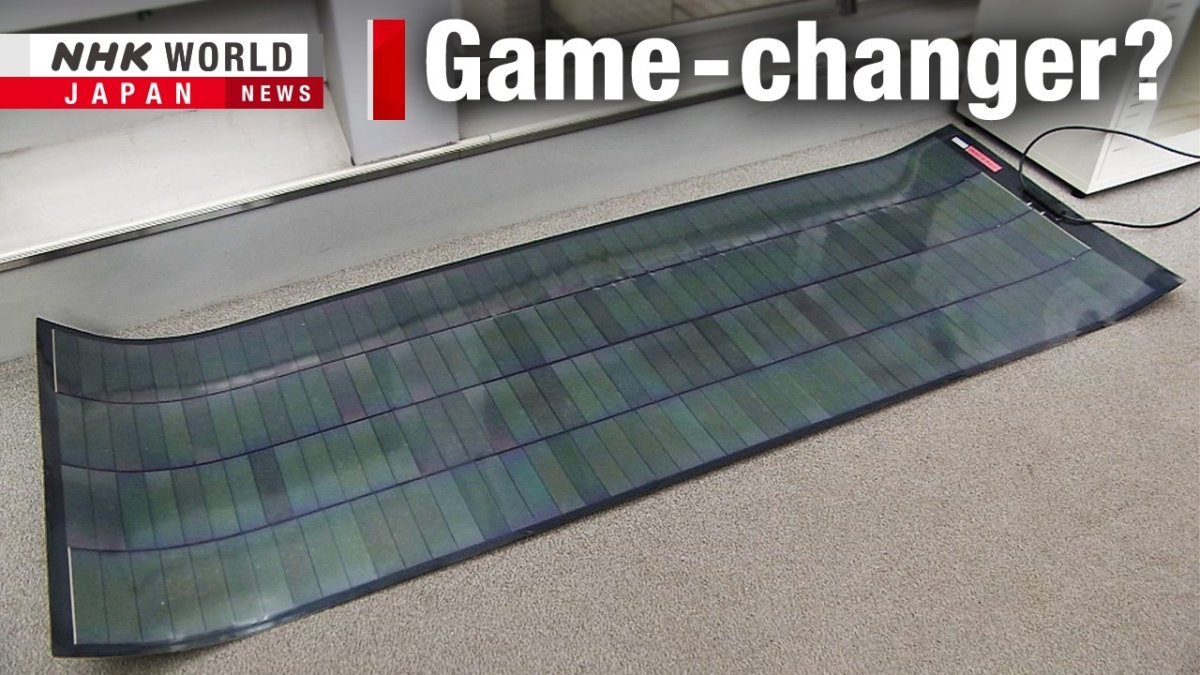
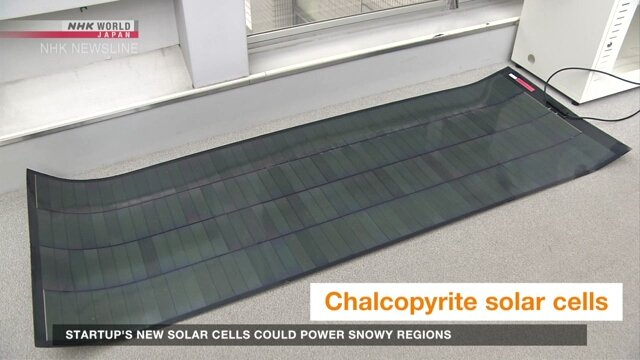
Perovskite solar cells differ fundamentally from silicon panels. They are thin, flexible, and lightweight, allowing placement on surfaces that cannot bear heavy loads. This property opens possibilities for deployment on agricultural greenhouses, curved rooftops, and temporary structures in snowy zones. The Japanese startup featured in the NHK report has focused development on versions suited to these conditions.
METI's Strategic Investment in Next-Generation Technology
The Ministry of Economy, Trade and Industry has allocated $1.5 billion to accelerate perovskite technology. METI's Agency for Natural Resources and Energy has designated the material a strategic priority under national energy plans. Funding supports research, pilot production lines, and efforts to improve durability and efficiency in real-world winter environments.
Innovations for Snowy Conditions
The startup's cells incorporate design features intended to address snow accumulation. Early testing explores surface treatments that may promote snow shedding without mechanical intervention. Because the cells weigh far less than silicon equivalents, they can be installed at steeper angles or on lighter frames that encourage natural clearing. These adaptations target the specific constraints of the Hokuriku region and similar coastal zones.
Broader Implications for Japan's Green Transformation
Japan's Green Transformation policy sets a 2050 carbon-neutrality target. Expanded solar capacity in previously underutilized snowy areas could contribute additional renewable generation without competing for prime land. Integration with existing grid infrastructure in the Hokuriku region would require careful planning, yet the lightweight nature of perovskite cells reduces some civil-engineering barriers.
Corporate Developments and Patent Leadership
Established firms including Sekisui Chemical, Toshiba, and Kaneka maintain active perovskite programs alongside the startup highlighted by NHK. Japan holds more than 5,000 related patents, reflecting sustained research investment. Collaboration between large manufacturers and smaller innovators may accelerate commercialization timelines, though full-scale manufacturing remains in planning stages.
Future Outlook for Carbon Neutrality
Deployment of perovskite cells in heavy-snowfall districts represents one component of a diversified renewable strategy. Continued METI support and corporate testing will determine whether performance under prolonged snow cover meets expectations. If successful, the technology could extend viable solar generation to additional prefectures along the Sea of Japan coast while aligning with national decarbonization objectives.
By Kenji Tanaka, Staff Writer
This article was produced with AI-assisted research and editorial support. Reporting is based on sources cited in the article.
What's Your Reaction?
 Like
0
Like
0
 Dislike
0
Dislike
0
 Love
0
Love
0
 Funny
0
Funny
0
 Wow
0
Wow
0
 Sad
0
Sad
0
 Angry
0
Angry
0

Japan Correspondent at Global1.News. Tokyo-based voice covering Japanese politics, technology, economy, and culture. Tracks the intersection of tradition and innovation in one of the world's most dynamic societies.














Comments (0)