
Tumaini Festival 2026: In Beni, Congolese Artists Turn to Music and Art as a Weapon of Peace
In eastern Democratic Republic of Congo, the city of Beni — long scarred by massacres, armed group violence, and decades of insecurity — recently sent out a very different message. This January, it hosted the fourth edition of the Tumaini music and arts festival, a cultural event that means "hope" in Swahili, providing young people with a space to promote peace, coexistence, an
In eastern Democratic Republic of Congo, the city of Beni — long scarred by massacres, armed group violence, and decades of insecurity — recently sent out a very different message. This January, it hosted the fourth edition of the Tumaini music and arts festival, a cultural event that means "hope" in Swahili, providing young people with a space to promote peace, coexistence, and healing through artistic expression.
Tumaini Festival 2026: In Beni, Congolese Artists Turn to Music and Art as a Weapon of Peace
Beni, Democratic Republic of Congo — For two days in mid-January, the sound of music, poetry, and dance replaced the echoes of violence in one of eastern Congo's most traumatised cities. The Tumaini Festival, now in its fourth edition, brought together musicians, slam poets, painters, and performers from across the region, all united by a single message: peace is possible, and art is the vehicle to achieve it.
A Festival Born from Despair
The Tumaini Festival takes its name from the Swahili word for hope and began as a direct response to the despair that gripped Beni after years of ADF massacres. Benjamin Asimon, coordinator of the Tumaini festival, said, "It has been six years since the massacres began. The people were expressing their despair, and we thought it was a great risk, a great danger. The only way to fight it was to unite the entire population as one."
North Kivu province has faced decades of violence from armed groups, with Beni particularly affected by ADF massacres that left communities traumatised. The festival was founded to use culture as a response to this violence that has plagued the region for years. Organisers viewed the event as an act of peaceful resistance against the armed groups that have operated in eastern DRC since the 1990s.
Residents of Beni had endured repeated attacks that destroyed trust and daily life. The Tumaini Festival emerged as a deliberate counter to that cycle, bringing people together through shared artistic expression rather than allowing isolation to deepen. This approach drew on longstanding Congolese traditions where music and performance serve as tools for social commentary and community strength.
Local leaders saw the risk of continued despair turning into further instability. By creating a public space for expression, the festival aimed to rebuild confidence among residents who had lost family members and livelihoods to the violence. The emphasis remained on collective action through culture instead of individual withdrawal.
The founding purpose centred on turning pain into a platform for dialogue. In a city where armed group activity had restricted movement and gatherings, the festival represented a conscious choice to reclaim public space for peace messages. This act of peaceful resistance has grown with each edition since its earlier years.
Art became the chosen vehicle because it crosses divides that politics often cannot. Organisers believed that uniting the population through performances would reduce the space for despair to take hold again in Beni and surrounding areas of North Kivu.
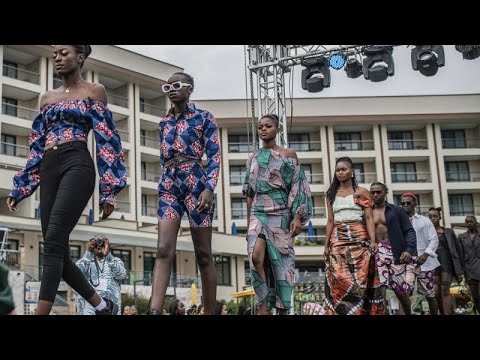
Youth, Peace and Security: The Fourth Edition
The fourth edition took place on 17-18 January 2026 at Beni Garden under the theme Jeunes, paix et sécurité. This focus highlighted the role of young people in building stability after years of conflict. The dates had originally been set for 13-14 December 2025 but were postponed to ease scheduling conflicts among local cultural actors.
Events included concerts, slam poetry competitions, painting exhibitions, and community dialogues that ran across the two days. These activities created multiple entry points for residents to engage with peace messages. The programme directly raised awareness of United Nations Security Council Resolution 2250, which recognises the key role of young people in conflict prevention and peacebuilding.
Attendance drew from across Beni and nearby towns, with participants ranging from students to community elders. The structure encouraged open exchanges during dialogues, allowing different generations to share experiences of the violence that has marked North Kivu. This format helped translate the theme into practical conversations about security.
In contrast, the Festival Amani in Goma remained suspended due to ongoing insecurity, underscoring the challenges of sustaining cultural events in the region. Tumaini organisers worked closely with local authorities to secure the Beni Garden venue and maintain safety throughout the programme.
The postponement allowed more local groups to prepare performances and exhibitions without rushing. This adjustment reflected the festival's commitment to genuine participation rather than rigid timelines. The result was a fuller programme that better reflected the creative energy present in eastern DRC communities.
By centring youth voices, the edition aligned with broader African efforts to involve young people in peace processes. The focus on Jeunes, paix et sécurité positioned the event as part of a continental conversation about generational leadership in conflict-affected areas.
Artists and Performers: Voices of a Generation
The lineup featured primarily local and regional Congolese talent from Beni, Butembo, Goma, and Kisangani. Confirmed performers included Salomon Ngima, Champagne El Vertige, John Wing, and Jeune Soldat, each bringing distinct styles rooted in eastern DRC musical traditions. Pis Mamba, an artist from Kisangani known as Boyoma, set the stage on fire with his energy during his set.
Steven Abstème, a poet, slameur, activist, and human rights defender, performed slam poetry that addressed themes of truth and combat through art. His pieces drew directly from the lived realities of communities in North Kivu. The performances created moments where audiences could see their own struggles reflected and transformed on stage.
Sarah Kahamwithi, a slam artist, said, "I am appealing to all those people who know that we are suffering. I am sensitive and I denounce the fact that we are suffering, that something is wrong here, in our home, in the east." Her words captured the shared sense of urgency among performers who use their craft to name ongoing challenges.
Gerlas Mukokoma, a festival-goer, added, "Young people are traumatized and the population struggles to have confidence in itself. This must end." His observation highlighted the emotional weight carried by attendees who found temporary relief and renewed purpose through the event.
The diversity of performers ensured that different neighbourhoods and age groups saw themselves represented. From high-energy musical sets to introspective poetry, the programme balanced celebration with reflection on the region's history of armed group violence since the 1990s.
Local artists rather than international headliners formed the core of the event, allowing messages to land with greater authenticity. This choice strengthened community ownership and kept the focus on voices already embedded in Beni life.
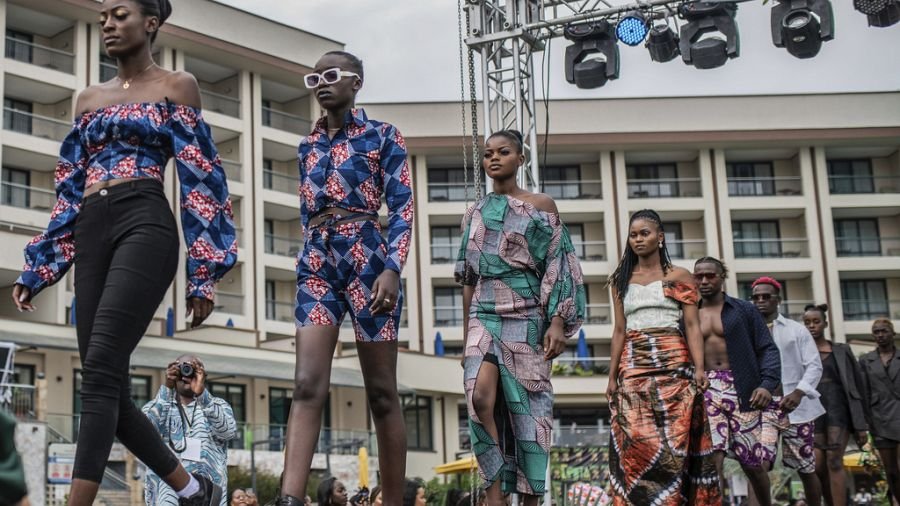
Art as Resistance: Painters and Visual Artists Join the Call
Beyond music, Tumaini has been a space for visual arts and activism where painters and visual artists expressed their hope for a better future through their work. In Beni, a city scarred by violence, art has become a common language that allows residents to communicate across linguistic and ethnic lines.
The broader tradition of Congolese artists using their craft for political and social commentary runs deep in the DRC. Painters at the festival created works that depicted both the pain of ADF massacres and visions of restored communities. These pieces were displayed alongside performances, creating an immersive environment for reflection.
Art described as a common language in Beni helped bridge divides that armed groups have exploited for years. Visual exhibitions encouraged visitors to linger and discuss the images, turning passive viewing into active dialogue about security and coexistence.
This approach connects to other peace-through-culture initiatives in the DRC, including the UNICEF-backed song Nous Voulons La Paix featuring Fally Ipupa, Lokua Kanza, Celine Banza, and Didi Stone. Such projects demonstrate how creative expression can amplify calls for an end to conflict across the country.
Painters and visual artists participated fully, using colour and form to convey messages that words alone sometimes cannot reach. Their presence reinforced the festival's identity as an act of peaceful resistance that values multiple forms of expression.
The visual component also served as documentation, with works that will remain in local spaces after the event ends. This lasting presence extends the festival's impact beyond the two days in January 2026.
Tumaini and the Broader Peace Landscape in Eastern DRC
The festival's role within the wider context of peace-building in eastern DRC places it alongside other grassroots efforts to counter decades of instability. North Kivu province has faced decades of violence from armed groups, with Beni particularly affected by ADF massacres that have continued for years.
The festival stands in contrast to the region's instability, offering a platform for dialogue and healing that military or political processes alone have not fully achieved. By hosting concerts, slam poetry, painting exhibitions, and community dialogues, Tumaini creates safe spaces where residents can imagine alternatives to ongoing conflict.
The connection between cultural initiatives and grassroots peace-building runs through many African communities recovering from violence. In Beni, the event demonstrates how local creativity can sustain hope when larger peace agreements stall or fail to reach everyday life.
The Tumaini model as potentially replicable in other conflict-affected African communities rests on its use of local artists and modest resources. This approach avoids reliance on external funding that can disappear when international attention shifts.
Festivals like this help counter despair with messages of unity and non-violence that resonate across generations. The emphasis on youth participation aligns with continental frameworks that recognise young people as essential to long-term stability in places like eastern DRC.
By maintaining the event annually despite security challenges, organisers show that cultural resistance can persist even when armed groups remain active in surrounding areas. This persistence itself becomes part of the peace narrative.
What to Watch For
The future of Tumaini as an annual fixture in Beni's cultural calendar looks promising after the successful fourth edition. Organisers plan to build on the momentum from the 17-18 January 2026 dates to strengthen partnerships with local cultural actors.
Potential expansion to other conflict-affected areas in the Great Lakes region could adapt the Tumaini model while keeping its core focus on local voices. The approach of using grassroots artists rather than international headliners has proven effective at building organic community engagement.
The importance of sustained support for cultural peace-building initiatives from government, NGOs, and the international community cannot be overstated. Without consistent resources, events like Tumaini risk facing the same suspension that affected Festival Amani in Goma.
The upcoming fifth edition in January 2027 carries hopes for broader participation from additional towns in North Kivu. Early planning will focus on maintaining the theme of youth involvement while expanding visual arts and dialogue components.
How the festival's model continues to evolve will depend on security conditions and the willingness of local authorities to protect cultural spaces. The emphasis on unity and non-violence remains central to its identity.
In a region where conflict dominates headlines, Tumaini stands as proof that hope and creativity can flourish even in the darkest circumstances. The event reminds residents of Beni and beyond that artistic expression offers a path toward coexistence that complements other peace efforts.
By Amara Diop, Staff Writer
This article was produced with AI-assisted research and editorial support. Reporting is based on sources cited in the article.
What's Your Reaction?
 Like
0
Like
0
 Dislike
0
Dislike
0
 Love
0
Love
0
 Funny
0
Funny
0
 Wow
0
Wow
0
 Sad
0
Sad
0
 Angry
0
Angry
0

West Africa/Sahel Correspondent at Global1.News. Dakar-based journalist covering politics, security, climate, and development across Francophone and Anglophone West Africa. Tells the stories of a region undergoing profound transformation.












Comments (0)