
Springboks 45-21 England: Ellis Park Nations Championship Thriller
**Keywords:** Springboks, England rugby, Ellis Park, Nations Championship, Siya Kolisi injury, Pieter-Steph du Toit, Cheslin Kolbe, South African rugby, July 4 2026, Rugby depth The Roar Returns to Ellis Park as Springboks Send a Message The ticket price controversy had threatened to dampen spirits ahead of the Nations Championship opener, yet 52,790 passionate supporters still

The Roar Returns to Ellis Park as Springboks Send a Message
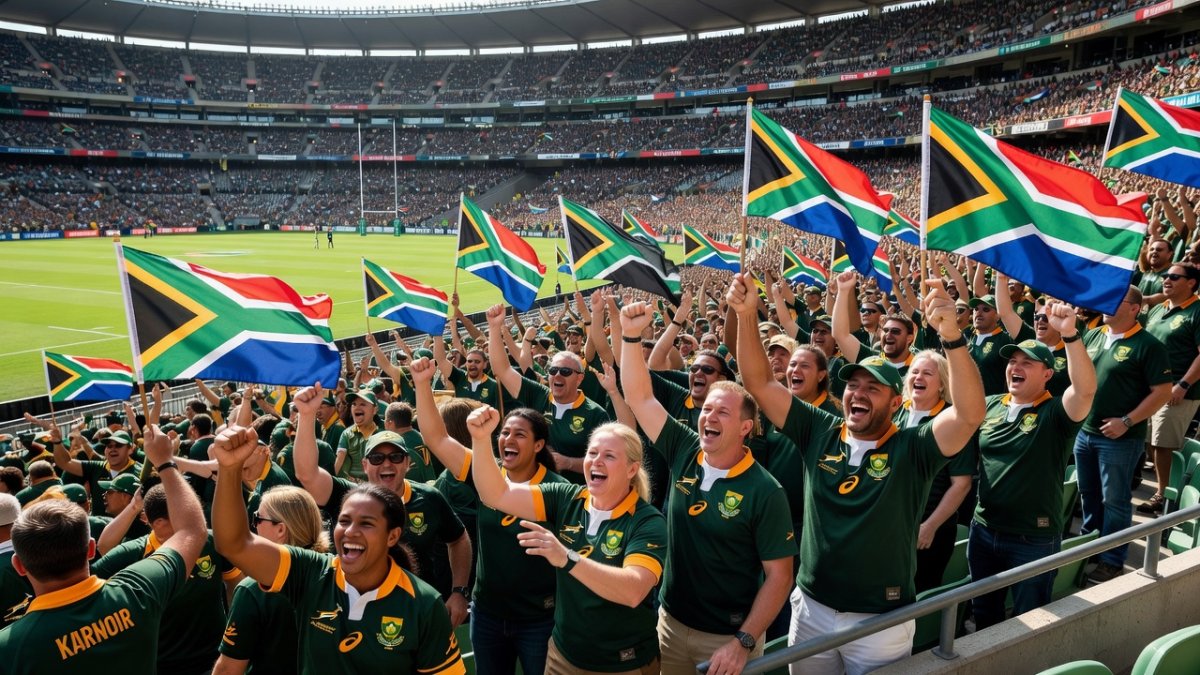
The ticket price controversy had threatened to dampen spirits ahead of the Nations Championship opener, yet 52,790 passionate supporters still packed Ellis Park on July 4 2026, creating an electric atmosphere that echoed through Johannesburg’s rugby heartland. South African fans have long viewed this iconic venue as a fortress, and the packed stands proved once again that local support remains the lifeblood of Springbok rugby even when pricing debates rage across social media and radio talk shows. The pre-match tension was palpable as both teams warmed up under clear Highveld skies, with the crowd’s anticipation building for a clash that carried extra weight after a turbulent build-up. This fixture marked the fourth successive meeting between these sides, and the Johannesburg faithful were determined to make their presence felt from the first whistle. The significance of Ellis Park in South African sporting culture cannot be overstated, as it has hosted countless historic moments that continue to inspire the next generation of players and supporters across the country’s diverse rugby landscape.
Local flavour added to the occasion as vendors sold boerewors rolls and fans waved flags representing every province, reminding everyone that Springbok success unites the nation in ways few other events can match. The atmosphere inside the stadium felt like a homecoming after recent tours, with the crowd’s energy feeding directly into the players’ preparations on the field. Organisers had worked tirelessly to manage the logistics of such a large gathering, and the result was a sea of green and gold that drowned out any lingering negativity from the ticket debate. This turnout sent a clear signal that South Africans will always rally behind their national team when the stakes are high, regardless of external controversies. The pre-match rituals, including the singing of the national anthem, further heightened the emotional stakes for everyone involved in this Round 1 encounter.
Ellis Park’s history as a venue that has witnessed Springbok triumphs and heartbreaks alike added layers of meaning to the afternoon, connecting today’s squad to legends who once graced the same turf. Supporters from Gauteng and beyond had travelled long distances to be part of the moment, underscoring the deep-rooted passion that defines South African rugby culture. The clear weather conditions ensured optimal playing conditions, allowing the crowd to focus purely on the action rather than battling the elements. This packed house stood in stark contrast to some recent international fixtures where attendance had dipped, proving that a compelling narrative can still draw the masses when the Springboks are involved. The overall scene set the perfect stage for what promised to be a defining performance in the early stages of the Nations Championship campaign.
Media coverage leading into the game had highlighted the significance of hosting England at this particular ground, with commentators noting how Johannesburg's altitude often plays a decisive role in the outcome. Fans chanted familiar songs that have become synonymous with Springbok home games, creating a wall of sound that reverberated across the pitch. The sense of occasion was heightened by the knowledge that this match represented the start of a new chapter following previous encounters between the two nations. Ultimately, the roaring crowd at Ellis Park delivered exactly the kind of intimidating environment that South African teams thrive upon, setting expectations sky-high for the afternoon's proceedings.
Depth Under Pressure: Springboks Overcome Key Injuries
With Siya Kolisi ruled out by a hamstring concern and Eben Etzebeth sidelined after a head knock, the Springboks faced an immediate test of their famed depth before a ball was even kicked at Ellis Park. Pieter-Steph du Toit stepped up to captain the side while shifting into the lock position, a move that showcased the squad’s flexibility and the trust placed in his leadership qualities. Debutant Paul de Villiers and Cameron Hanekom were thrust into the back row, giving them the opportunity to prove their worth on the biggest stage in front of a home crowd that appreciates players who rise to such challenges. These selections reflected the broader South African rugby philosophy of blooding new talent while maintaining high standards, a strategy that has served the nation well across multiple World Cup cycles and domestic competitions.
England also suffered a late blow when George Furbank was withdrawn with appendicitis just hours before kickoff, forcing Marcus Smith to switch to fullback and disrupting their planned backline structure. This series of injuries on both sides turned the match into a genuine examination of squad resilience rather than a straightforward contest between settled line-ups. Du Toit’s decision to anchor the forwards from lock allowed the Springboks to maintain their physical edge despite the absences, while the introduction of fresh faces in the loose forwards injected energy and enthusiasm into the carrying game. South African rugby has long prided itself on producing versatile athletes capable of adapting to multiple roles, and this fixture provided further evidence of that enduring strength.
The back-row combination featuring de Villiers and Hanekom brought a blend of youthful dynamism and tactical awareness that complemented the experienced campaigners around them. Coaches had clearly prepared contingency plans for exactly this scenario, ensuring that the team’s systems remained intact even without two of their most recognisable leaders. Fans in the stands understood the significance of these changes, offering vocal encouragement to the new starters as they took their positions during the anthems. This depth has become a hallmark of modern Springbok teams, allowing them to navigate the demanding international calendar without major drops in performance levels.
England’s own injury setback added another layer of complexity, yet both sides approached the contest with the professionalism expected at this level of competition. The Springboks’ ability to absorb these blows while still executing their game plan spoke volumes about the preparation undertaken during the build-up. Local supporters recognised the courage shown by the entire squad, particularly the debutants who carried the hopes of an entire nation on their shoulders from the opening exchanges.
Shock and Awe: Three Tries in Twelve Minutes
The Springboks exploded out of the blocks with three tries inside the first twelve minutes, leaving England reeling at Ellis Park on July 4 2026. Thomas du Toit powered over in the third minute after brushing aside Ellis Genge and Ollie Chessum, setting the tone for a dominant forward display that immediately lifted the Johannesburg crowd. Cheslin Kolbe followed soon after with a trademark side-step that left Cadan Murley grasping at thin air, showcasing the wing’s electric pace and finishing ability. Kurt-Lee Arendse then broke through Marcus Smith’s tackle to complete the early blitz, giving the home side a commanding lead before England could settle into any rhythm. This rapid scoring sequence highlighted the clinical edge the Springboks have developed in their attacking patterns, particularly when playing at altitude where quick ball movement becomes even more effective.
Arendse’s subsequent sin-binning for a deliberate knock-on briefly halted the momentum, yet the damage had already been inflicted on an England side still adjusting to their own late personnel change. The early tries stemmed from precise execution of set-piece and phase play, areas where the Springboks have invested heavily in recent seasons. Thomas du Toit’s Bath-bound status added extra motivation for the prop, who celebrated his score with visible emotion in front of the adoring home supporters. Kolbe’s finish demonstrated why he remains one of the most dangerous finishers in world rugby, while Arendse’s contribution underlined the depth of attacking threat across the back three.
The speed of the opening onslaught caught England off guard, forcing them into reactive mode from the outset. South African rugby’s emphasis on high-tempo attacking rugby paid immediate dividends, with the forwards providing the platform for the backs to express themselves. The crowd’s roar after each score created an intimidating environment that further disrupted England’s attempts to regroup. This period of play encapsulated everything that makes Ellis Park such a formidable venue for visiting teams.
Even after Arendse’s temporary dismissal, the Springboks maintained their composure and continued to apply pressure through structured phases. The early points advantage allowed them to play with freedom, knowing that any further scores would put the result beyond doubt relatively early. England’s defensive lapses during this spell exposed the challenges of integrating a new fullback into an already disrupted backline structure.
England's Fightback and the 17-14 Halftime Battle
England responded with determination after the early setbacks, scoring through Ellis Genge’s solo effort that saw him power through two tackles to reduce the deficit. George Martin then crossed after breaking the tackles of Jasper Wiese and Cheslin Kolbe, bringing the visitors back into the contest and showing the character that Jamie George later referenced in his post-match comments. A potential try for Jamie George was correctly disallowed for offside, preventing England from drawing level and preserving the Springboks’ narrow advantage. These moments of fightback illustrated England’s refusal to capitulate despite the challenging circumstances surrounding their preparation.
The halftime score of 17-14 reflected a fiercely contested opening forty minutes in which both teams traded blows under the Johannesburg sun. England’s 35 percent possession statistic at the break told the story of their territorial struggles, yet they had still managed to stay within touching distance through sheer resilience. The Springboks had controlled large portions of the game but were made to work hard for every metre by a determined English defence. Tactical adjustments from both coaching teams during the interval promised an intriguing second half as the contest remained finely balanced.
Genge’s individual brilliance provided a highlight for the visitors, demonstrating that they possessed the individual quality to trouble even the most organised Springbok defence. Martin’s score further emphasised England’s forward carrying threat, an area they had targeted in their pre-match planning. The disallowed try served as a reminder of the fine margins that often decide Test matches at this level. South African supporters appreciated the competitive nature of the first half, knowing that their team would need to raise their standards further after the break.
The battle for momentum swung back and forth as both sides sought to impose their patterns on the game. England’s ability to stay in touch despite limited ball highlighted the defensive organisation instilled by their coaching staff. The Springboks, meanwhile, knew they had left points on the field and would look to rectify that in the second period.
Second Half Clinic: Bonus Point and Relentless Pressure
Grant Williams secured the bonus point with a clever dummy from the base of the ruck in the 45th minute, extending the lead and signalling the Springboks’ intent to dominate the second half. Jesse Kriel added another try from an offload by Damian Willemse, further stretching the advantage as the home side clicked into gear. Malcolm Marx crossed from a driving maul for his 27th Test try, underlining the set-piece strength that has become a Springbok trademark. Ben-Jason Dixon’s late score completed a comprehensive performance as England were reduced to 13 men following yellow cards to Tommy Freeman for a high hit on Willemse and Guy Pepper for repeated infringements.
Kolbe’s flawless five conversions proved crucial in building the final 45-21 margin, while the Springboks maintained control despite England’s 35 percent possession throughout the match. The system that Pieter-Steph du Toit spoke about after the game was clearly evident as replacements maintained the intensity and structure. Alex Coles had given England brief hope with their third try, but the numerical disadvantage proved too much to overcome in the closing stages. The clinical nature of the second-half display showcased why the Springboks have now secured four successive victories over England.
Williams’ try from the ruck base highlighted the quick thinking and support play that characterises modern Springbok rugby. Kriel’s finish off Willemse’s offload demonstrated the cohesion developing between the midfield and back three. Marx’s maul score reinforced the importance of forward dominance in South African game plans, while Dixon’s late effort capped a memorable day for the loose forwards. England’s disciplinary issues ultimately cost them any chance of a late comeback.
The relentless pressure applied after halftime wore down the visitors, who struggled to cope with the altitude and the intensity of the home side’s carrying game. Ox Nche’s line break added further momentum during one particularly incisive attack. The bonus point secured early in the second half allowed the Springboks to manage the game intelligently while still pushing for additional scores.
Milestones, Culture, and the Road Ahead
Cheslin Kolbe and Damian Willemse both reached 50 Test caps during the match, milestones celebrated warmly by the Ellis Park faithful who recognise the dedication required to reach such landmarks. Pieter-Steph du Toit’s post-match comments captured the essence of the Springboks’ approach when he noted that buying into the system allows it to take care of the player, a philosophy deeply embedded in South African rugby culture. Jamie George acknowledged his team’s fight and character in staying competitive, even in defeat. These reflections added emotional depth to a result that reinforced the Springboks’ status as a leading force in world rugby.
The next assignments see the Springboks face Australia while England prepare to meet New Zealand, setting up intriguing follow-up fixtures in the Nations Championship. The ticket pricing debate will likely continue in South African rugby circles, yet the packed stadium demonstrated that demand remains strong when the team delivers performances of this quality. The victory highlighted the depth and resilience that define the current Springbok squad, qualities that will be tested further as the campaign progresses. Local rugby administrators will be encouraged by the turnout and the positive atmosphere generated despite earlier controversies.
Kolbe and Willemse’s achievements represent the rewards of consistent excellence over many years, inspiring younger players across the country’s schools and clubs. Du Toit’s leadership in the absence of Kolisi and Etzebeth provided a template for how experienced players can guide emerging talent through difficult circumstances. The overall result strengthens South Africa’s position heading into the remainder of the international window. Rugby in the country continues to evolve while staying true to its core values of physicality, skill and unity.
This performance at Ellis Park will be remembered as a statement of intent from a squad determined to build on recent successes. The connection between the team and its supporters remains as strong as ever, fuelling hopes for further triumphs in the months ahead. South African rugby’s future looks bright with such depth and leadership available across the playing group.
Tags: Springboks, England rugby, Ellis Park, Nations Championship, Siya Kolisi, Pieter-Steph du Toit, Cheslin Kolbe, South African rugby, July 4 2026, Rugby depth
By Dante Williams, Staff Writer
This article was produced with AI-assisted research and editorial support. Reporting is based on sources cited in the article.
What's Your Reaction?
 Like
0
Like
0
 Dislike
0
Dislike
0
 Love
0
Love
0
 Funny
0
Funny
0
 Wow
0
Wow
0
 Sad
0
Sad
0
 Angry
0
Angry
0

West Africa/Sahel Correspondent at Global1.News. Dakar-based journalist covering politics, security, climate, and development across Francophone and Anglophone West Africa. Tells the stories of a region undergoing profound transformation.














Comments (0)