
Thailand's 40 Baht Meal Scheme: Relief for Salaried Workers
The Announcement from Thailand's Commerce Ministry This week in Bangkok, Thailand's Commerce Ministry announced plans for a nationwide programme to support affordable meals across the country. Deputy Prime Minister and Commerce Minister Suphajee Suthumpun presented the initiative, which builds directly on the existing Thai Help Thai Plus programme. The effort focuses on helping
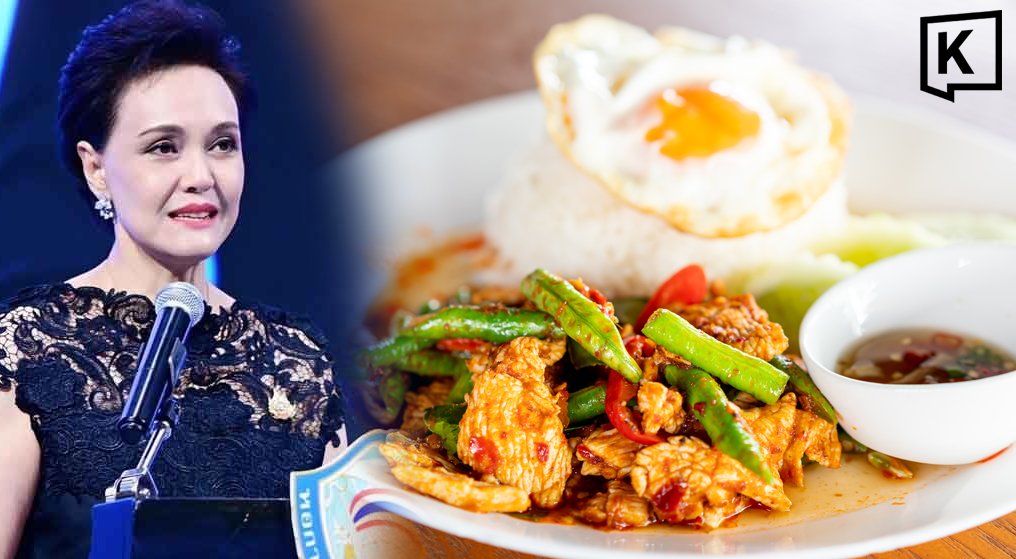
The Announcement from Thailand's Commerce Ministry
This week in Bangkok, Thailand's Commerce Ministry announced plans for a nationwide programme to support affordable meals across the country. Deputy Prime Minister and Commerce Minister Suphajee Suthumpun presented the initiative, which builds directly on the existing Thai Help Thai Plus programme. The effort focuses on helping salaried workers manage daily expenses amid rising costs in local markets from Bangkok to the Isaan region.
The proposed scheme, named Khao Kaeng Thai Chuay Thai, encourages restaurants to offer ready-to-eat meals at a maximum of 40 baht per plate. Officials at the Thai Ministry of Commerce emphasised that the programme targets rice culture staples familiar to communities in Nakhon Ratchasima and Phuket. Participation aims to ease pressures on household budgets in urban and rural areas alike.
Suphajee Suthumpun highlighted how the programme connects to broader government goals of reducing living costs. The announcement comes as the Department of Internal Trade prepares details for review. Thai readers in Chiang Mai and other provinces will see direct benefits through accessible street food options that reflect local traditions.
The initiative matters for Thailand's economy because it supports small eateries while addressing inflation effects on daily commutes and family meals. ASEAN neighbours may observe how such measures strengthen community resilience in Southeast Asia's shared rice-based food systems.
How the Scheme Works with 40 Baht Meals
Under the Khao Kaeng Thai Chuay Thai programme, participating restaurants will voluntarily offer selected ready-to-eat dishes at no more than 40 baht per serving. Each meal must include rice served with at least two side dishes while meeting clear quality and portion standards set by the Commerce Ministry. This structure preserves the essence of Thai street food culture found in markets across Bangkok and the Isaan region.
Restaurants in Nakhon Ratchasima and Phuket can select dishes that align with local preferences, ensuring the meals remain appealing to salaried workers who rely on affordable options near offices and transport hubs. The government provides financial support specifically to offset ingredient costs, allowing businesses to maintain standards without raising prices.
Quality requirements focus on fresh ingredients and balanced portions, reflecting Buddhist principles of moderation in Thai daily life. Community kitchens in Chiang Mai already demonstrate similar approaches, and this programme extends that model nationwide through the Thai Help Thai Plus network.
For Thai readers, the scheme directly impacts family budgets by keeping traditional rice-and-side-dish meals accessible. It supports tourism in regional areas where visitors seek authentic, budget-friendly experiences, strengthening Southeast Asian food tourism ties within ASEAN.
Subsidies for Restaurants Through Targeted Packages
The government plans to provide subsidies for cooking ingredients to restaurants that join the programme. Officials are considering three assistance packages valued at 3,000 baht, 5,000 baht, or 10,000 baht per restaurant, depending on scale and needs. These payments help offset costs for staples sourced from local markets in Bangkok and surrounding provinces.
Small eateries in the Isaan region and Nakhon Ratchasima stand to benefit most from the 3,000 baht package, while larger outlets in Phuket may access the 10,000 baht option. The Thai Ministry of Commerce designed these tiers to accommodate diverse business sizes within the existing network of affiliated eateries.
By covering ingredient expenses, the subsidies allow restaurants to focus on quality without passing costs to customers. This approach mirrors successful community support models seen in Thai Help Thai Plus activities, where direct aid strengthens local economies.
The measure matters for Thailand because it sustains employment in the food sector while protecting salaried workers from price spikes. Regional ASEAN economies could adopt similar subsidy structures to support cross-border food supply chains and tourism recovery efforts.
Voluntary Participation Without Price Controls
Participation in the Khao Kaeng Thai Chuay Thai programme remains entirely voluntary, with no price controls imposed on restaurants. Businesses that choose to join receive government support in exchange for offering the 40 baht meals. The Department of Internal Trade has confirmed that restaurants retain full freedom over other menu items and operations.
Participating outlets will receive official signs to display at their storefronts, helping customers in Bangkok, Chiang Mai, and Phuket quickly identify locations offering the subsidised options. This visibility builds trust within local communities that value transparency in daily transactions.
The voluntary nature respects Thailand's market traditions while encouraging widespread involvement through positive incentives. Street food vendors in the Isaan region already operate on similar principles of choice and community benefit.
For Thai readers, this structure protects small businesses from regulatory burdens while delivering practical relief. It positions Thailand as a thoughtful leader in ASEAN discussions on balancing economic support with business autonomy across the region.
Pilot Scale Involving 100,000 Restaurants
The Commerce Ministry expects to pilot the programme with 100,000 restaurants drawn from a network of around 250,000 eateries already affiliated with the ministry or participating in the Thai Help Thai Plus scheme. This scale allows testing across diverse locations from Bangkok's urban centres to rural spots in Nakhon Ratchasima.
The pilot will run for at least three months once Cabinet approval is secured. Officials selected the initial group because these restaurants already meet basic operational standards, ensuring smooth rollout in provinces like Chiang Mai and Phuket.
By starting with this established network, the ministry can monitor quality and participation rates effectively. The approach builds on proven connections with local markets and community kitchens throughout Thailand.
This pilot matters for daily life because it brings affordable meals to workers in high-cost areas while supporting regional economies. Neighbouring ASEAN countries may study the model for their own food security programmes, enhancing regional cooperation on living costs.
Impact on Thai Daily Life and Street Food Culture
Salaried workers in Bangkok and other cities will gain reliable access to nutritious meals priced at 40 baht, easing pressures on household spending. The programme reinforces Thailand's street food culture by supporting vendors who serve rice with two side dishes in community settings across the Isaan region.
Local markets in Nakhon Ratchasima and Chiang Mai will see sustained demand for fresh ingredients as participating restaurants maintain operations. This connection to Thai rice culture helps preserve traditional eating habits that bind families and neighbourhoods together.
By focusing on ready-to-eat options, the initiative fits the routines of office workers and students who depend on quick, affordable lunches. It also supports tourism by showcasing accessible Thai cuisine in Phuket and beyond.
The changes matter for Thailand's social fabric because affordable meals strengthen community bonds and reduce financial stress. Within ASEAN, such programmes can improve cross-border worker mobility by demonstrating practical ways to manage living expenses.
Regional and ASEAN Perspective on the Initiative
The Khao Kaeng Thai Chuay Thai programme offers a potential model for Southeast Asian neighbours facing similar cost-of-living challenges. Thailand's approach through the Commerce Ministry and Department of Internal Trade highlights how voluntary incentives can support food access without disrupting markets.
Countries in ASEAN that share rice-based cuisines may adapt elements such as the 40 baht pricing structure and ingredient subsidies. Links between Bangkok, Chiang Mai, and regional hubs could strengthen tourism and trade ties through shared food security efforts.
The pilot involving 100,000 restaurants demonstrates scalable methods that respect local business cultures in places like the Isaan region and Phuket. This regional perspective underscores Thailand's role in promoting stable daily life across borders.
For Thai readers, success here could enhance the country's standing in ASEAN economic discussions. Neighbours benefit from observing how targeted support preserves street food traditions while aiding salaried populations.
Next Steps Toward Cabinet Approval and Timeline
The Department of Internal Trade is finalising the proposal for submission to the Cabinet during the third week of July. Once approved, the programme could begin immediately and run for at least three months as a pilot across the 250,000-eatery network.
Suphajee Suthumpun has indicated that expansion will follow if the initial phase succeeds, potentially increasing participating restaurants beyond the starting 100,000. The Thai Ministry of Commerce will track results in locations from Bangkok to Nakhon Ratchasima.
Preparation includes distributing official signs and confirming subsidy packages of 3,000 baht, 5,000 baht, or 10,000 baht. This timeline allows communities in Chiang Mai and Phuket to prepare for the launch.
The steps matter for Thailand because timely implementation delivers relief to workers and businesses. ASEAN partners may follow similar approval processes to roll out comparable initiatives that support regional food access and economic stability.
By Ann Srisawat, Staff WriterThis article was produced with AI-assisted research and editorial support. Reporting is based on sources cited in the article.
What's Your Reaction?
 Like
0
Like
0
 Dislike
0
Dislike
0
 Love
0
Love
0
 Funny
0
Funny
0
 Wow
0
Wow
0
 Sad
0
Sad
0
 Angry
0
Angry
0

Southeast Asia Correspondent at Global1.News. Based in Bangkok, covering Thai and Southeast Asian politics, economy, technology, and culture. Deep regional perspective on one of the world's most dynamic regions.













Comments (0)