
Chile Megadrought Enters Critical Phase as Santiago Records Driest June Since 1969
Chile's Megadrought and Floods: Climate Extremes Divide a Nation Chile's Megadrought and Floods: Climate Extremes Divide a Nation Santiago, Chile – July 11, 2026 — The Paradox: A Nation Split Chile stands divided by climate extremes in July 2026, with its 14-year megadrought gripping central and northern regions while southern territories endure catastrophic flooding. Coquimbo,
Chile's Megadrought and Floods: Climate Extremes Divide a Nation
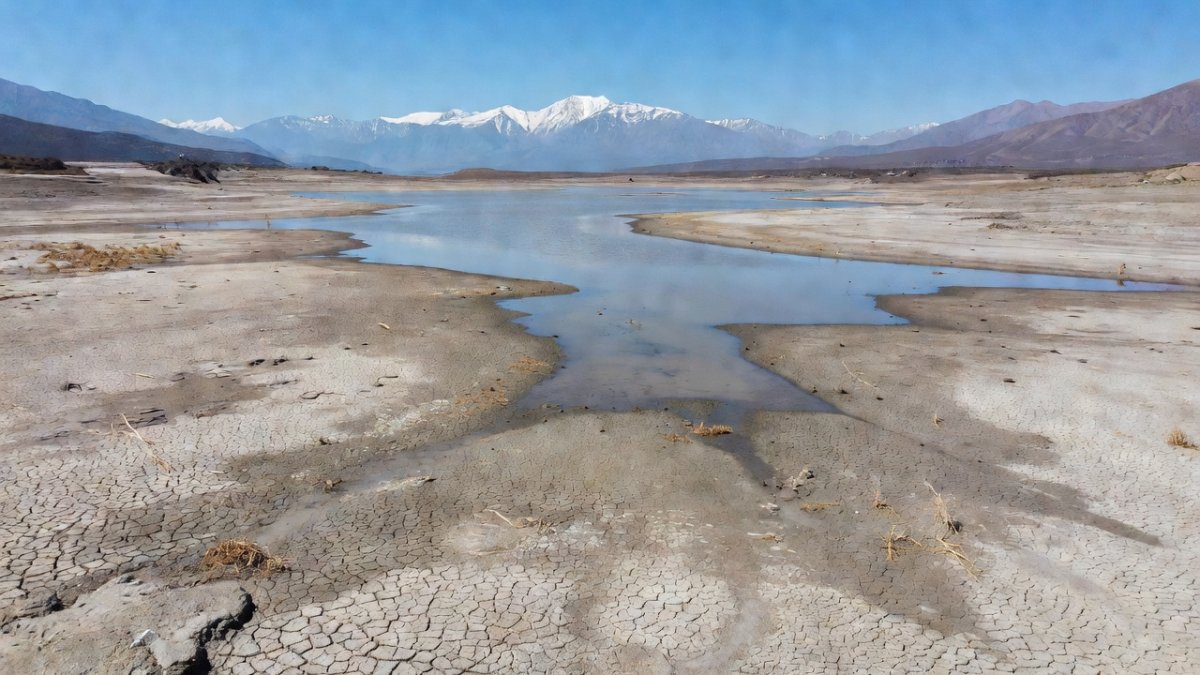
Chile's Megadrought and Floods: Climate Extremes Divide a Nation
Santiago, Chile – July 11, 2026 —
The Paradox: A Nation Split
Chile stands divided by climate extremes in July 2026, with its 14-year megadrought gripping central and northern regions while southern territories endure catastrophic flooding. Coquimbo, Valparaíso, and Metropolitana suffer relentless dryness, yet Araucanía, Los Ríos, and Los Lagos face Category 4 atmospheric rivers unleashing 100-200+ mm of rain in days. This split reveals Latin America's vulnerability to shifting weather patterns intensified by global warming. Data from DGA and SENAPRED underscore how the megadrought has slashed water availability by 10-37% over the past decade across affected zones. Meanwhile, southern deluges overwhelm infrastructure, displacing communities and eroding soils. The contrast highlights policy failures and the urgent need for integrated water management across the continent. Experts note that such polarization threatens food security and economic stability for millions, forcing a reevaluation of adaptation strategies in a region already battling inequality and resource scarcity.
The Megadrought Enters Critical Phase
June 2026 marked the third driest June in Santiago since 1969, with only 0.6 mm of rain recorded, pushing the megadrought into a critical phase. Central Chile's reservoirs and aquifers continue to dwindle under prolonged deficits, affecting daily life in Metropolitana and surrounding basins. Aguas Andinas and the Junta de Vigilancia del Río Maipo have formally requested a one-year extension of the water scarcity declaration for the Maipo basin, signaling institutional alarm. DGA reports confirm that this 14-year crisis has transformed once-reliable water cycles into chronic shortages. Policy rollbacks that removed dozens of environmental decrees have compounded risks by weakening protections for watersheds. The phase demands immediate action from MOP and regional authorities to avert broader collapse. Passionate calls from civil society emphasize that Chile's experience mirrors broader Latin American struggles, where delayed responses amplify human suffering and ecological damage.
Reservoirs on the Brink
Coquimbo region reservoirs hover at just 15-16% capacity, while Valparaíso embalses stand near 20%, with Peñuelas at a perilous 6% and Los Aromos at 43%. These figures from DGA paint a stark portrait of systemic strain. Esval has ruled out immediate rationing yet maintains the alerta hídrica, underscoring the razor-thin margin before crisis escalates. Over the past decade, water availability has dropped 10-37% in these zones, driven by the megadrought's persistence. Infrastructure gaps highlighted by Senator Matías Walker demand urgent investment in storage and distribution. Desalination capacity expanded roughly 30% in early 2026 offers partial relief, but cannot offset the scale of depletion. Latin America's water leaders must study Chile's plight, where aging systems and climate volatility converge. Without accelerated projects, urban centers face escalating restrictions that could ripple through supply chains and public health.
Agriculture Under Siege
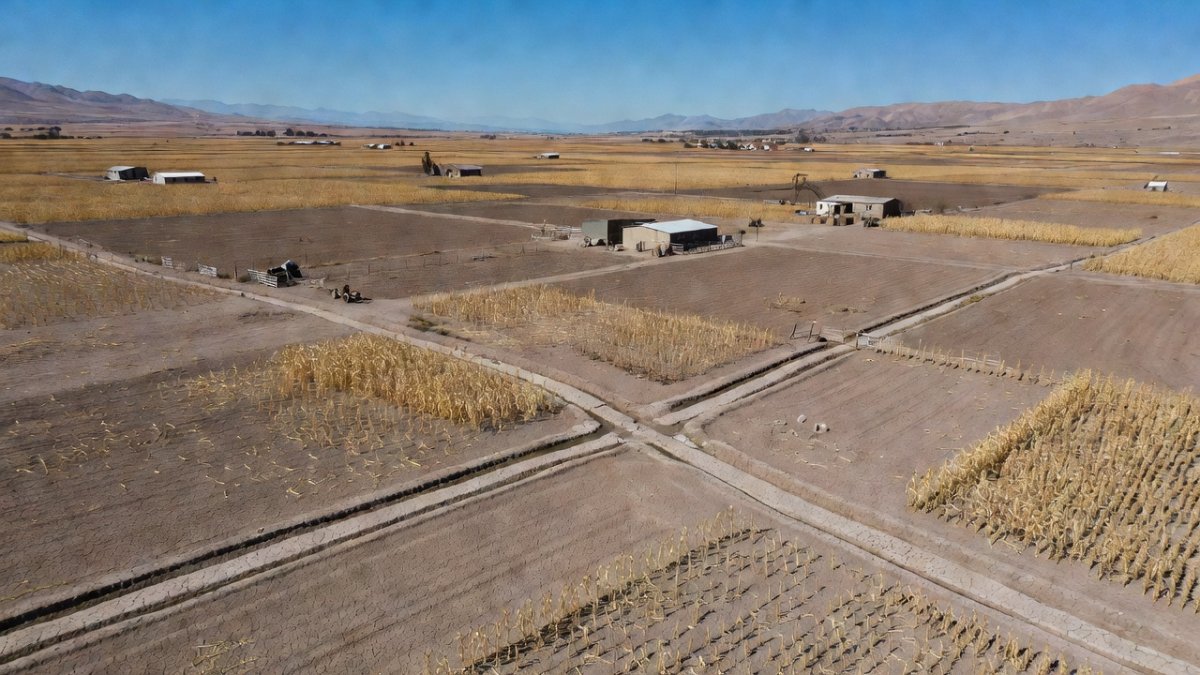
Repeated estado de emergencia agrícola declarations in Coquimbo's Limarí and Elqui valleys illustrate agriculture's siege under the megadrought. SNA data reveal crop losses mounting as irrigation sources fail, threatening export revenues vital to Chile's economy. Water reductions of 10-37% over ten years have forced farmers to abandon fields or adopt costly alternatives. Senator Matías Walker stresses the imperative for new infrastructure to safeguard rural livelihoods. Policy rollbacks removing environmental decrees have further exposed valleys to over-extraction and degradation. Desalination growth of 30% provides some coastal support, yet interior producers remain exposed. This agricultural crisis echoes across Latin America, where smallholders bear disproportionate burdens from climate extremes. Coordinated responses involving MOP and local cooperatives could restore resilience, but time is short before irreversible damage sets in.
Southern Floods While the North Burns
Category 4 atmospheric rivers have pummeled southern Chile, delivering 100-200+ mm of rain and triggering widespread flooding in Araucanía, Los Ríos, and Los Lagos. SENAPRED reports detail evacuations, road collapses, and agricultural inundation that contrast sharply with northern dryness. This duality strains national resources, as emergency funds shift between drought relief and flood recovery. DGA monitoring shows how these intense events, though delivering moisture, often cause more harm than benefit due to poor absorption in saturated soils. The megadrought's grip on central zones remains unbroken, with June's 0.6 mm in Santiago exemplifying the north's isolation. Latin American nations must recognize that fragmented responses fail against interconnected climate threats. Integrated basin management and early-warning systems could mitigate future swings, preserving both northern farms and southern communities from escalating losses.
The 2040 Warning
Experts warn that Chile risks nationwide water shortages by 2040 if current trajectories persist. The 14-year megadrought, combined with 10-37% reductions in availability, foreshadows systemic failure across multiple basins. DGA projections and MOP assessments highlight how Coquimbo and Valparaíso shortages could spread southward without decisive intervention. Desalination expansion of 30% and calls for infrastructure by Senator Matías Walker represent steps forward, yet policy rollbacks undermine progress. Aguas Andinas' extension request for the Maipo basin reflects institutional recognition of the timeline. Across Latin America, similar warnings echo as populations grow and glaciers retreat. Chile's trajectory serves as a cautionary model, demanding regional cooperation on conservation, technology transfer, and equitable allocation to avert a continent-wide crisis before mid-century arrives.
What This Means for Latin America
Chile's divided climate reality carries profound implications for Latin America, where megadroughts and atmospheric rivers increasingly define the new normal. Water scarcity declarations, agricultural emergencies, and reservoir levels at 15-16% in Coquimbo demonstrate how one nation's crisis can influence neighbors through trade and migration. Esval's alerta hídrica and southern flood responses reveal the limits of isolated strategies. SNA and regional bodies must collaborate on shared data platforms and joint infrastructure. The 2040 nationwide shortage warning resonates beyond borders, urging investment in resilient agriculture and urban planning. Policy lessons from Chile's environmental decree rollbacks warn against deregulation during volatility. By prioritizing adaptation, Latin America can transform these extremes into catalysts for sustainable development that protects vulnerable populations and ecosystems alike.
The Bottom Line
Chile's megadrought entering its critical phase in July 2026 demands unflinching action. With reservoirs critically low, agriculture besieged, and southern floods compounding national strain, the data from DGA, SENAPRED, Aguas Andinas, Esval, SNA, and MOP leave no room for complacency. The 14-year crisis, June's record dryness, and 2040 projections converge on an urgent imperative. Latin America watches as Chile navigates this paradox, offering both warnings and opportunities for collective resilience. Infrastructure, policy coherence, and regional solidarity remain essential to secure water futures for generations.
By Elena Vasquez, Staff WriterThis article was produced with AI-assisted research and editorial support. Reporting is based on sources cited in the article.
What's Your Reaction?
 Like
0
Like
0
 Dislike
0
Dislike
0
 Love
0
Love
0
 Funny
0
Funny
0
 Wow
0
Wow
0
 Sad
0
Sad
0
 Angry
0
Angry
0

Latin America Correspondent at Global1.News. Based in Mexico City, covering politics, economics, energy, and culture across the region. Brings an on-the-ground perspective to stories spanning from the Rio Grande to Patagonia.












Comments (0)