
US-Iran Peace Deal Reached: Trump Confirms Landmark Agreement, Signing Set for June 19 in Switzerland
After nearly four months of open conflict that shook the entire Middle East, the United States and Iran have reached a landmark peace agreement. President Donald Trump and Iranian President Masoud Pezeshkian both confirmed the deal on June 14-15, 2026, with Pakistan Prime Minister Shehbaz Sharif announcing that "both sides have declared the immediate and permanent termination o
After nearly four months of open conflict that shook the entire Middle East, the United States and Iran have reached a landmark peace agreement. President Donald Trump and Iranian President Masoud Pezeshkian both confirmed the deal on June 14-15, 2026, with Pakistan Prime Minister Shehbaz Sharif announcing that "both sides have declared the immediate and permanent termination of military operations on all fronts, including in Lebanon." The agreement, which includes the reopening of the Strait of Hormuz and a 60-day framework for nuclear negotiations, is scheduled for formal signing on June 19 in Switzerland.
US-Iran Peace Deal Reached: Trump Confirms Landmark Agreement, Signing Set for June 19 in Switzerland
Beirut, Lebanon – June 15, 2026 — The announcement caps a dramatic week of shuttle diplomacy and marks the most significant breakthrough in US-Iran relations since the 2015 Joint Comprehensive Plan of Action, which Washington abandoned in 2018.
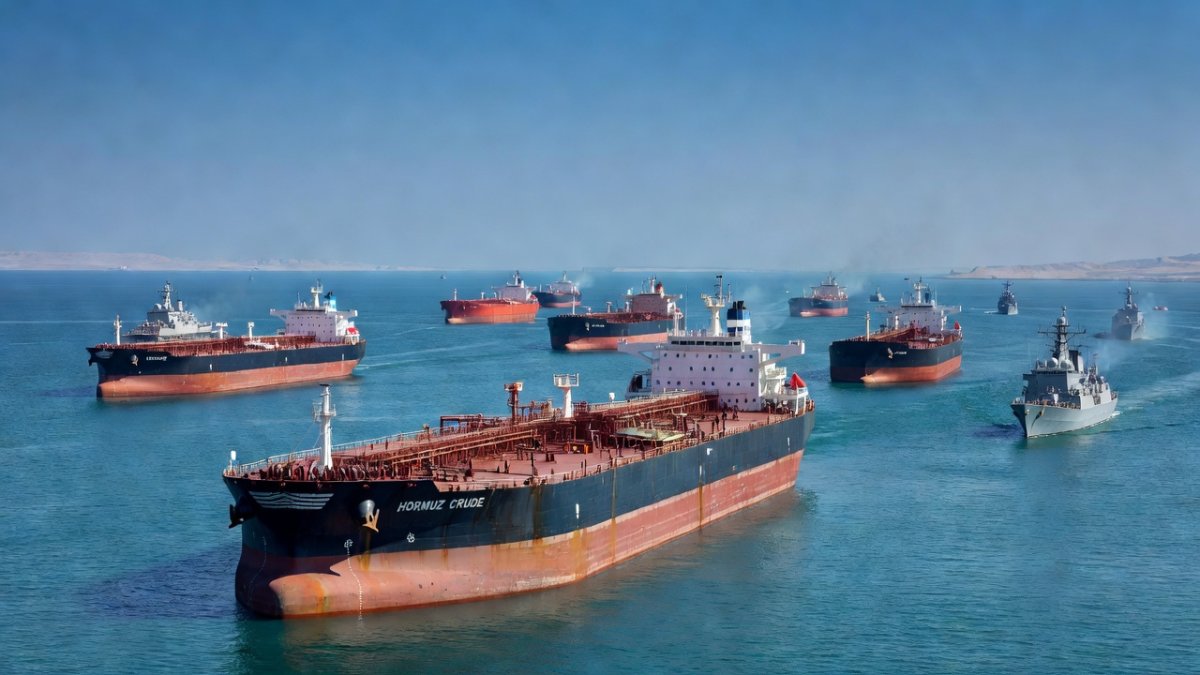
Background to the February 2026 Conflict
The war erupted on February 28, 2026, when US and Israeli forces launched coordinated airstrikes on Iranian nuclear facilities at Natanz and Fordow, as well as military installations near Tehran. The strikes followed months of escalating tensions over Iran's uranium enrichment activities above 60 percent, far beyond the threshold permitted under international non-proliferation norms. Iran's rejection of IAEA inspection demands had hardened positions on both sides.
The conflict expanded rapidly when Iran retaliated with missile strikes against energy infrastructure in Saudi Arabia, the United Arab Emirates, and Kuwait. These attacks caused an estimated US$180 billion in regional damage, threatened the more than US$3 trillion in Gulf sovereign wealth funds, and disrupted global oil markets through Iran's mining of the Strait of Hormuz. Hezbollah opened a front in southern Lebanon, drawing Israel into the broader conflagration.
Previous ceasefire attempts on May 3, May 20, and June 2 had all collapsed, with each side accusing the other of violations. The economic toll on Iran was particularly severe, with the rial losing more than 60 percent of its value and inflation exceeding 45 percent by mid-2026.
The Diplomatic Marathon — Pakistan, Qatar, and Oman Mediation
Pakistan Prime Minister Shehbaz Sharif emerged as the lead mediator in a three-country framework that also included Qatar and Oman. Sharif's announcement on June 14 that "both sides have declared the immediate and permanent termination of military operations on all fronts, including in Lebanon" represented the first joint confirmation of the deal after months of indirect talks.
A Qatari delegation led by an advisor to the foreign minister arrived in Tehran on June 14 to narrow the final gaps in the text. Qatar's existing channels with Iran's leadership, cultivated over years of energy cooperation and regional mediation, proved essential in securing Tehran's final sign-off. Oman, which has historically served as a back-channel between Washington and Tehran, provided the initial framework for the talks that began in April 2026.
US negotiators Steve Witkoff and Jared Kushner coordinated directly with the three mediating states. The involvement of Sunni-majority Pakistan — a nuclear-armed state with strong ties to both Saudi Arabia and the United States — helped bridge sectarian and geopolitical divides that had complicated earlier mediation efforts led solely by Gulf Arab states.
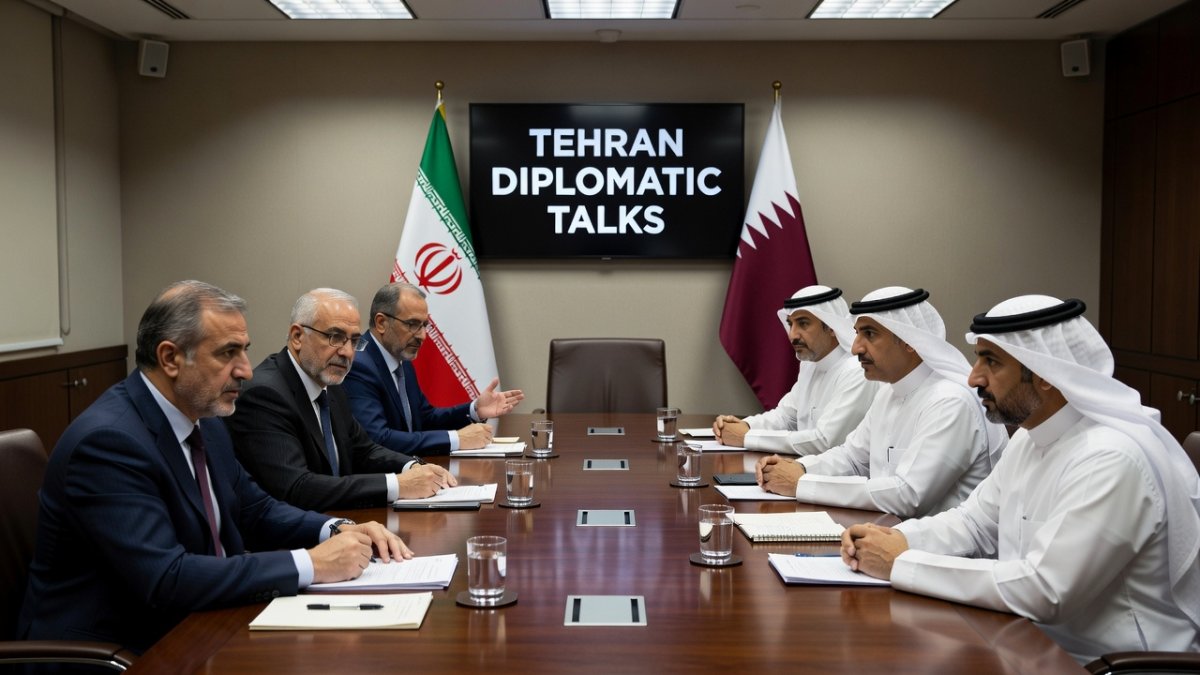
The Al Arabiya Leak and Framework Terms
An Al Arabiya English exclusive on June 11, 2026, exposed the core elements of the developing 60-day framework that would come to shape the final agreement. The leak, confirmed by a senior Trump administration official speaking to Al Arabiya English, revealed that the framework mandates a 60-day window for detailed nuclear negotiations.
Under the terms now confirmed by all parties, Iran will dilute its enriched uranium stockpile under IAEA supervision and remove naval mines from the Strait of Hormuz. The United States will lift its naval blockade of Iranian ports and begin phasing out its naval presence in the Strait. Broader sanctions relief — Tehran's primary objective — remains subject to further negotiation during the 60-day window.
Iran has reaffirmed its commitment under the Nuclear Non-Proliferation Treaty not to pursue nuclear weapons. President Masoud Pezeshkian described the accord as "a landmark agreement" in a nationally televised address on June 15. The memorandum of understanding is scheduled for signing on June 19 in Switzerland, which offered to host the ceremony after the framework was secured.
Strategic Calculus: Tehran's Perspective
For Iran's leadership, the deal represents a calculated gamble. Supreme Leader Ali Khamenei's cautious endorsement signals that Tehran believes it secured sufficient economic relief to stabilize the country without fully dismantling its nuclear infrastructure. By agreeing to dilute enriched material and clear the Strait, Iranian leaders calculated they could resume oil exports — which had fallen to less than 300,000 barrels per day from a pre-war average of 1.5 million — and begin rehabilitating an economy battered by sanctions and military spending.
The inclusion of a Lebanon ceasefire was a critical element for Tehran. It provided Hezbollah, Iran's most capable proxy, with breathing room after months of Israeli airstrikes that had degraded its command structure and missile capabilities. For Pezeshkian's government, the deal also offers an opportunity to deepen economic ties with China and Russia through energy deals that had been stalled by the conflict.
However, any perceived weakness in the negotiations risks domestic backlash from Revolutionary Guard Corps elements and hardline clerics who view the United States' ultimate intentions with deep suspicion. The 60-day nuclear negotiation window will test whether Iran's internal factions can maintain a unified negotiating position.
Strategic Calculus: Washington's Perspective
The Trump administration's primary objective throughout the conflict had been the reopening of the Strait of Hormuz, through which approximately 20 percent of the world's oil passes. By securing Iranian commitments on both enrichment and mine removal, Washington achieved a de-escalation that protects global energy markets and Israeli security interests without committing to prolonged ground operations in Iran.
The deal also allows the United States to redirect military resources toward great-power competition with China, a core strategic priority for the Trump administration. By delegating mediation to Pakistan, Qatar, and Oman, Washington demonstrated a willingness to work through regional partners rather than imposing a solution unilaterally — a lesson learned from earlier, failed direct approaches.
G7 partners, including French President Emmanuel Macron who confirmed that the group will discuss the agreement and Strait reopening, are expected to provide multilateral oversight of implementation. Macron's statement from the Elysee Palace indicated that the G7 stands ready to support verification mechanisms and coordinate sanctions relief timelines.
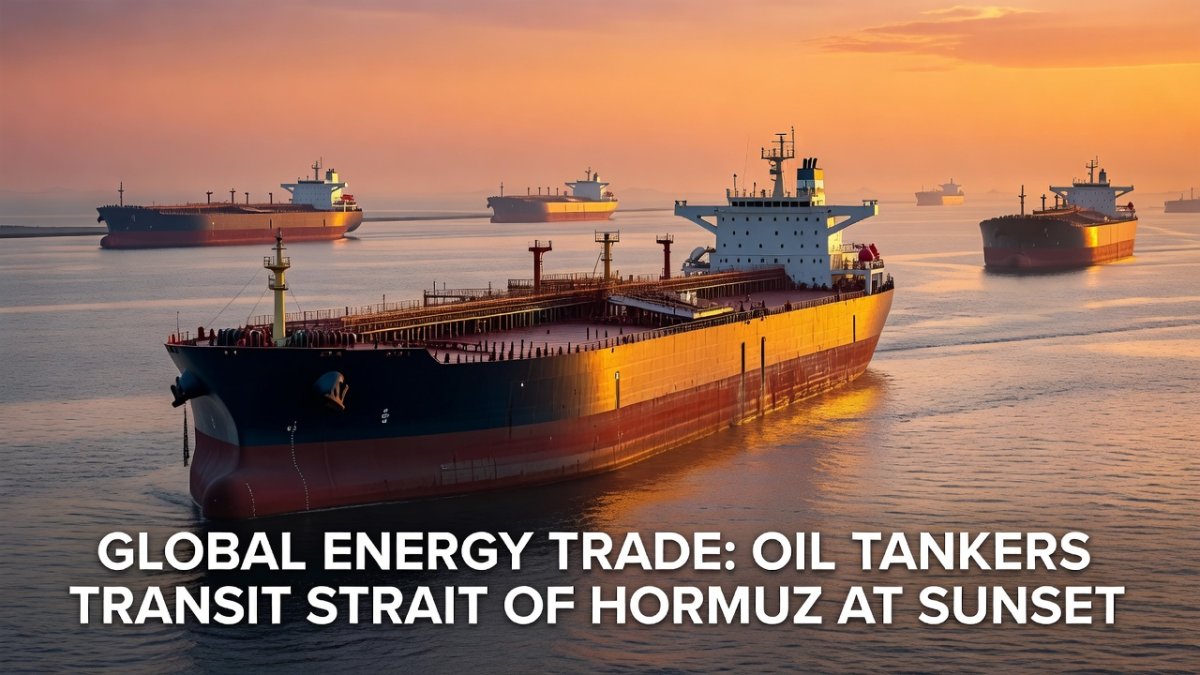
Regional Reactions — Israel, Gulf States, and Hezbollah
Israel expressed the strongest reservations about the agreement. Prime Minister Benjamin Netanyahu's office issued a statement warning that any deal that does not provide full verification of uranium dilution and does not address Iran's missile program is "fundamentally flawed." Israeli defense officials have signaled potential measures to derail aspects of the agreement, particularly regarding Hezbollah's presence in southern Lebanon.
Saudi Arabia and the UAE welcomed the reopening of the Strait of Hormuz, which is essential for their energy exports and economic diversification plans under Vision 2030 and similar programs. However, both Gulf states remain cautious about the timeline for sanctions relief, fearing that a resurgent Iran could increase competition in regional energy markets and resume support for proxy forces in Yemen and elsewhere.
Hezbollah accepted the Lebanon ceasefire component as necessary to regroup after months of attrition. However, the organization's leadership views the 60-day window as temporary and has not committed to any longer-term disarmament. The explicit inclusion of Lebanon in the deal text — "all fronts, including in Lebanon" — represents a significant diplomatic victory for the US-Pakistani mediation team, as it directly links the Lebanese front to the broader US-Iran framework.
Energy Markets and Global Implications
Brent crude prices fell more than US$12 per barrel within hours of the June 14 announcement, as traders priced in the resumption of Iranian exports and the reopening of the Strait of Hormuz. Analysts at the International Energy Agency estimate that Iranian oil exports could add 1.2 million barrels per day to global supply within weeks, potentially bringing prices down to pre-conflict levels of US$70-75 per barrel.
Gulf sovereign wealth funds, which had faced liquidity pressures during the conflict, stand to benefit significantly from stabilized energy revenues. Saudi Arabia's Public Investment Fund and the UAE's ADQ and Mubadala investment vehicles can now resume diversification projects that had been paused during the crisis.
Broader implications include reduced risk premiums for maritime shipping through the Gulf, lower transport insurance costs, and potential easing of inflationary pressures in energy-importing economies across Europe and Asia. Arab-Israeli normalization talks may gain new momentum if the Lebanon ceasefire holds, though Israel's reservations about the deal complicate the diplomatic picture.
The Road to June 19 and Beyond
The June 19 signing ceremony in Switzerland will formalize the memorandum of understanding, with Pakistan, Qatar, and Oman serving as official witnesses. The IAEA is expected to begin monitoring uranium dilution and mine removal within days of the signing. US naval forces will begin a phased withdrawal from the Strait of Hormuz, contingent on verified compliance.
Longer-term challenges remain substantial. The 60-day nuclear negotiation window will test whether the parties can convert the ceasefire into a durable arrangement covering enrichment limits, sanctions relief scope, and regional security guarantees. Turkey's foreign policy — Ankara has maintained ties with both Moscow and Tehran throughout the conflict — and Iranian strategic cooperation with Russia will shape whether the agreement evolves into a broader regional framework or remains limited to de-escalation.
Continuous G7 oversight offers one avenue for sustained international pressure on compliance, but the absence of a permanent verification mechanism beyond the initial 60-day window leaves significant questions unanswered. For the Middle East, this agreement represents a pivotal moment — one that could either pave the way for a new regional security architecture or prove to be merely a tactical pause in a longer struggle.
By Malik Hassan, Staff WriterThis article was produced with AI-assisted research and editorial support. Reporting is based on sources cited in the article.
What's Your Reaction?
 Like
0
Like
0
 Dislike
0
Dislike
0
 Love
0
Love
0
 Funny
0
Funny
0
 Wow
0
Wow
0
 Sad
0
Sad
0
 Angry
0
Angry
0

Middle East Correspondent at Global1.News. Based in Beirut, covering politics, conflict, energy, and society across the Middle East. Brings context and depth to a region often reduced to headlines.













Comments (0)