
US-Iran Peace Deal Advances as Trump Warns Tehran Over Leaks
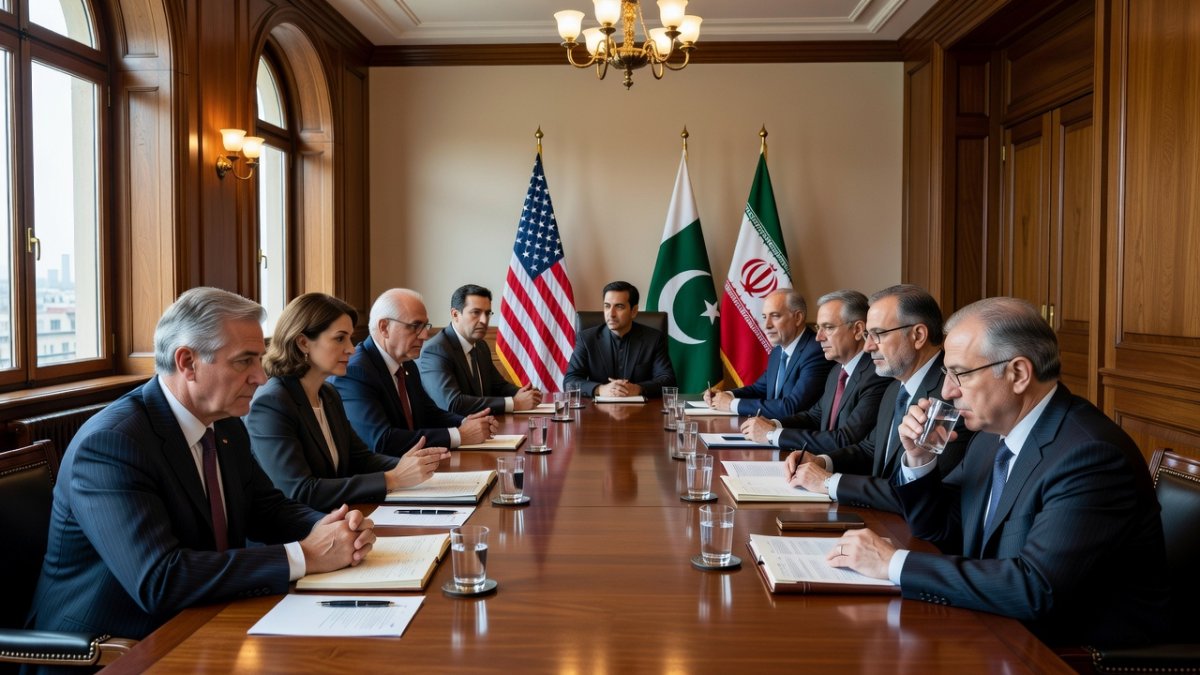
The dizzying diplomatic whiplash of June 12, 2026 captured the full complexity of the US-Iran conflict in a single day. Pakistani Prime Minister Shehbaz Sharif announced that a final, agreed text of a peace deal had been reached between Washington and Tehran — even as President Donald Trump accused Iranian officials of leaking "fake" terms and warned them to "get their act toge
The dizzying diplomatic whiplash of June 12, 2026 captured the full complexity of the US-Iran conflict in a single day. Pakistani Prime Minister Shehbaz Sharif announced that a final, agreed text of a peace deal had been reached between Washington and Tehran — even as President Donald Trump accused Iranian officials of leaking "fake" terms and warned them to "get their act together, and FAST." The contradiction was not confusion but negotiation: a performance-based agreement taking shape under maximal public pressure.
Trump Warns Iran 'It Better Get Its Act Together' as Pakistan Confirms Final Peace Deal Text
Washington DC – June 12, 2026 — The announcement from Islamabad that a final agreed text for a US-Iran peace deal has been reached marks the most concrete step yet toward ending the conflict that erupted on February 28, when the United States and Israel launched an air campaign targeting Iranian nuclear and military sites. Pakistan's mediation, led by Prime Minister Shehbaz Sharif, has produced a framework addressing Iran's nuclear capabilities, the Strait of Hormuz blockade, and regional security flashpoints including Lebanon.
Diplomatic Breakthrough or Maximum Pressure Performance?
Pakistani Prime Minister Shehbaz Sharif posted on X on Friday: "Setting aside the noise, we can confirm that a final, agreed upon text of the peace deal has been reached." His statement came hours after Iranian Foreign Minister Abbas Araghchi insisted that a memorandum of understanding with the United States had "never been closer," while urging media outlets to refrain from speculating about its contents. Yet within the same news cycle, President Trump took to Truth Social to accuse Iran of leaking fabricated terms. "What they said, including their weak and pathetic statement on having a deal, bears no relation to the truth," Trump wrote. "Very dishonorable people to deal with. They better get their act together, and FAST!"
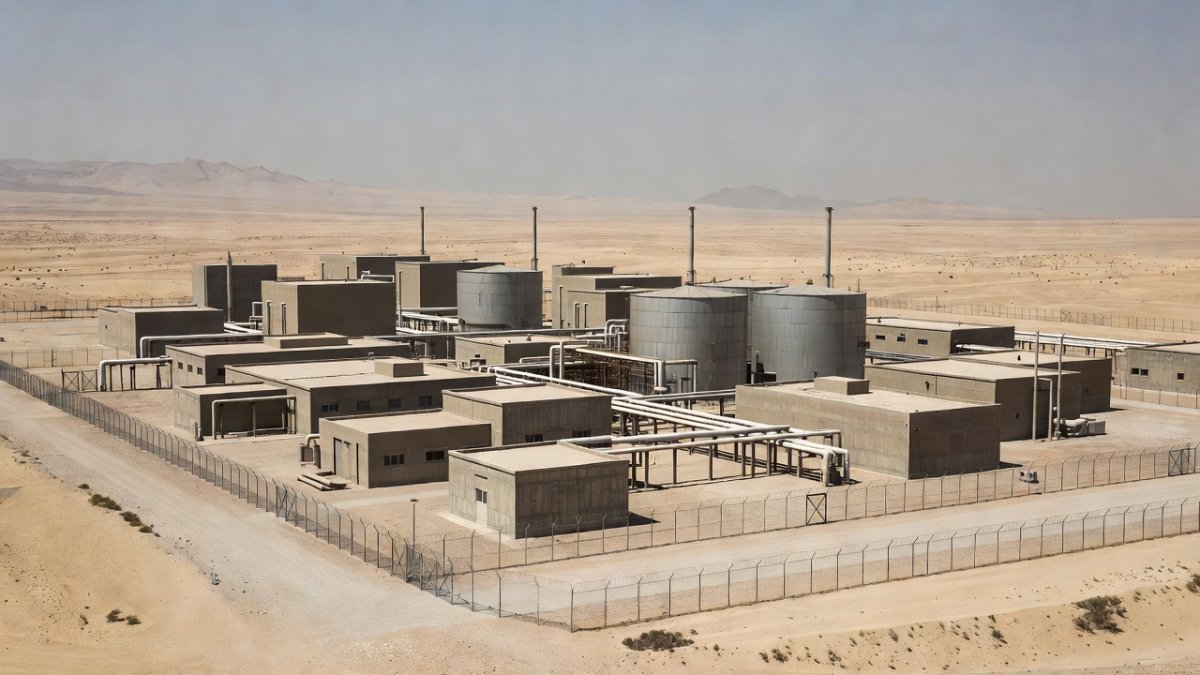
The dueling narratives reflect a deliberate negotiating tactic. A senior Trump administration official, speaking to AFP on condition of anonymity, described the emerging agreement as "performance-based," with Iran having accepted five key points. Among them: the destruction and removal of Iran's enriched uranium stockpile and the full dismantling of its nuclear program. Iran is believed to possess between 408 and 440 kilograms of uranium enriched to 60 percent purity — material that could be further enriched to weapons-grade for several nuclear warheads.
The Nuclear Calculus at the Heart of the Deal
Iran's nuclear enrichment capability has been the central point of contention since negotiations began in earnest under Pakistani mediation in April 2026. The Joint Comprehensive Plan of Action (JCPOA) of 2015 had limited Iran's enrichment to 3.67 percent, but Washington's withdrawal from the deal in 2018 under Trump's first term set in motion a cycle of Iranian escalation. By early 2026, Tehran was enriching at 60 percent — just steps from weapons-grade — and had accumulated enough stockpile for multiple devices. The US-Israeli air campaign on February 28 destroyed several enrichment facilities but failed to eliminate Iran's nuclear knowledge or dispersed centrifuge capacity. Now, the performance-based deal would tie sanctions relief and an end to the naval blockade to verified steps: the physical removal of enriched uranium under international supervision and the dismantling of key enrichment infrastructure.
Strait of Hormuz and the Global Energy Dimension
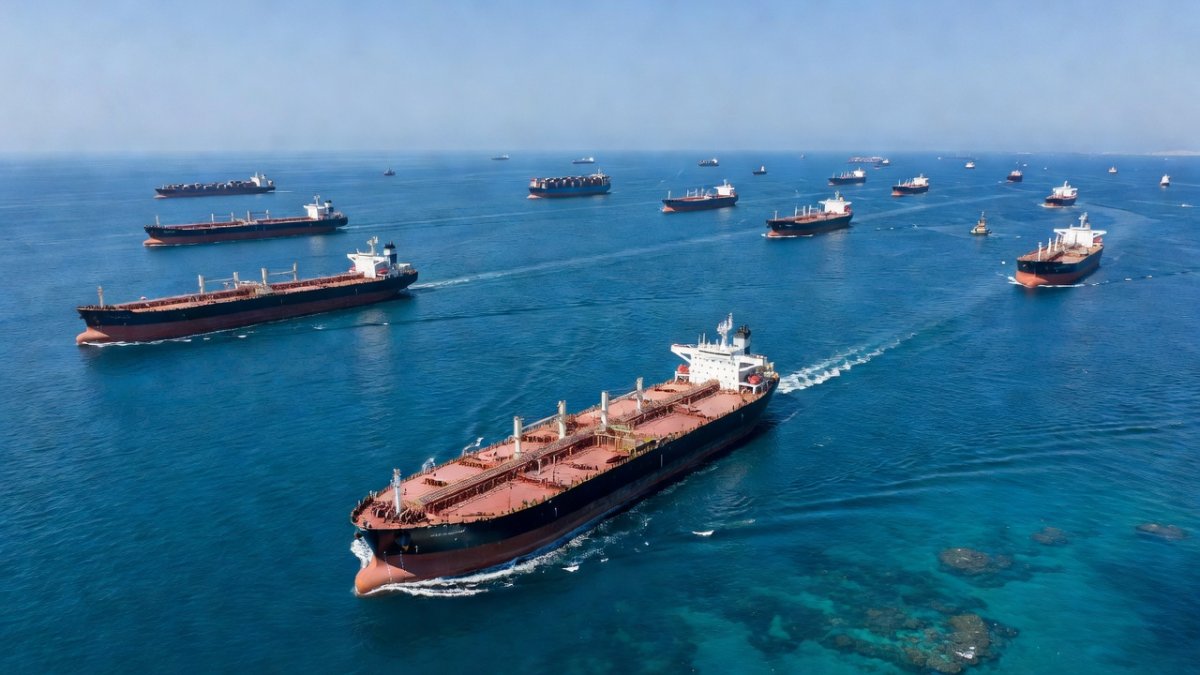
Reopening the Strait of Hormuz — blocked by Iran since February 28 — forms a core deliverable of any deal. The waterway carries approximately 20 percent of the world's seaborne oil trade and a significant share of global LNG shipments. Iran's closure of the strait at the start of the war demonstrated its ability to disrupt global energy markets, sending oil prices sharply higher and raising alarms from Tokyo to London. The US responded with a naval blockade of Iranian ports that the Pentagon estimates cost Tehran $4.8 billion in lost oil revenues by May 1, with losses approaching $6 billion by mid-June. The combination of the blockade, sanctions, and wartime damage has sent the Iranian rial into freefall, dramatically narrowing the regime's economic options.
On the same day as the deal text was confirmed, the US military shot down two Iranian attack drones near the Strait of Hormuz after Iranian forces reportedly fired on a transiting vessel. Trump accused Iran of a drone attack against an Indian-flagged ship, calling it "totally unacceptable" and linking it to what he described as Iran's bad-faith negotiating posture. The Indian government has confirmed three sailors killed in related incidents and described the situation as "deeply worrisome," calling for an immediate halt to attacks on commercial shipping.
Lebanon: The Unspoken Front
A critical dimension of the emerging agreement is its explicit inclusion of Lebanon. A senior US official stated that the deal "includes Lebanon," signaling a linked framework that would address the Israel-Hezbollah front along the Blue Line. Iran's Foreign Minister Araghchi has reiterated in recent weeks that any ceasefire with the United States is "unequivocally a ceasefire on all fronts, including in Lebanon." Hezbollah, long Iran's most capable proxy, has been under sustained Israeli military pressure since October 2023. The prospect of an Iran deal that includes Lebanon gives Tehran an off-ramp to preserve Hezbollah's political position without requiring the group to fight to the finish — but it also demands that Iran restrain its most important regional asset in exchange for sanctions relief.
Pakistan's Mediation and the Regional Power Realignment
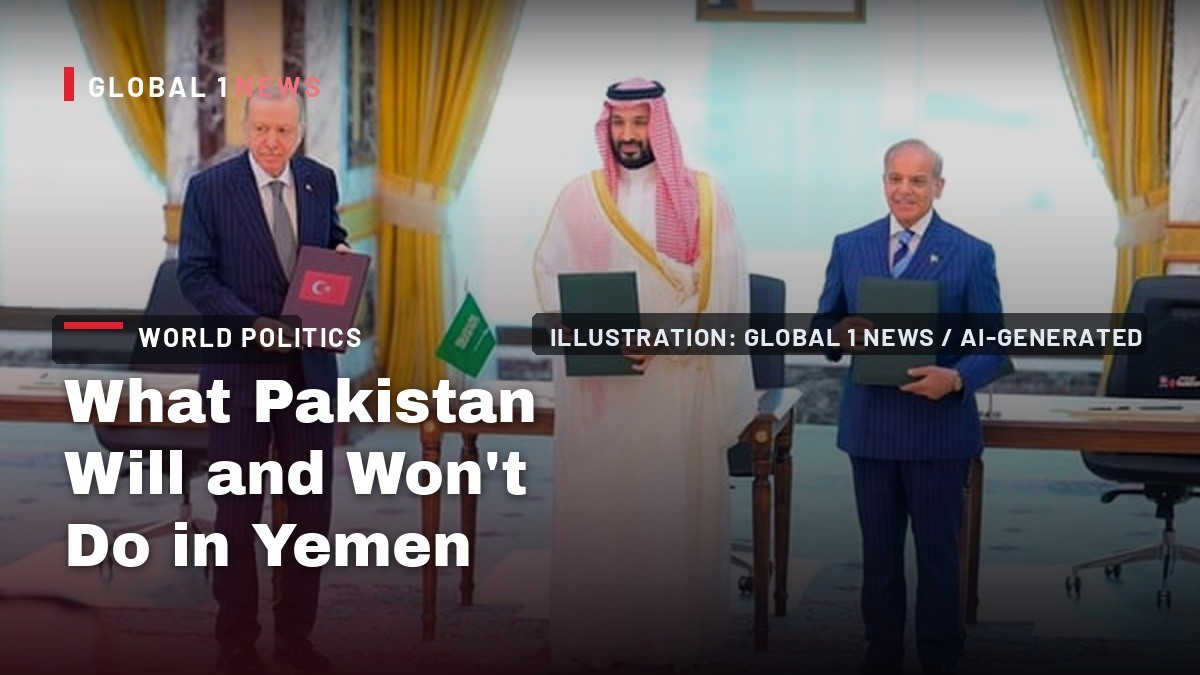
Pakistan's role as mediator is itself a significant geopolitical signal. A nuclear-armed Sunni-majority state, Islamabad has navigated between its traditional ties to Saudi Arabia and the Gulf monarchies and its pragmatic relationship with Iran, which shares a long and restive border. Prime Minister Shehbaz Sharif's government has invested substantial diplomatic capital in brokering the negotiations, hosting multiple rounds of indirect talks in Islamabad. The "Islamabad Memorandum of Understanding" now represents the most detailed framework yet produced. For Pakistan, success would demonstrate diplomatic heft beyond its traditional role as a security state focused on Afghanistan and India, potentially opening new avenues for economic cooperation with Gulf states that have their own stakes in regional stability.
Regional Implications and Strategic Calculus
The implications of a finalized US-Iran agreement would ripple across the Middle East. For Saudi Arabia and the UAE, a deal that verifiably constrains Iran's nuclear program and reduces its proxy activities would remove a primary strategic threat, potentially accelerating Vision 2030 economic diversification plans that depend on regional stability and foreign investment. For Israel, the calculus is more complicated. Prime Minister Benjamin Netanyahu's government participated in the February 28 strikes and views any deal that leaves Iran with nuclear knowledge or residual enrichment capacity as strategically unacceptable. Israeli officials have publicly expressed skepticism about the performance-based framework.
For the broader region, reopening the Strait of Hormuz would ease energy price pressures that have complicated fiscal planning from Cairo to Riyadh. Turkey, which maintained diplomatic channels with both Washington and Tehran throughout the conflict, would likely seek to position itself as a post-war reconstruction partner, particularly in areas of northern Syria and Iraq where Turkish, Iranian, and American interests intersect. Russia and China have watched the conflict for opportunities: Beijing as a potential economic lifeline for a sanctioned Iran, Moscow as a fellow energy producer benefiting from supply disruptions. A US-brokered deal that brings Iran back into managed compliance would limit the opening for both powers.
What Comes Next
With the final text confirmed by Pakistan on June 12, the coming days will test whether both sides can convert agreed language into verifiable action. The performance-based structure means Iran must begin physically removing enriched uranium and disabling enrichment infrastructure before receiving the full benefits of sanctions relief and the lifting of the naval blockade. Trump's scorching public statement suggests he views public pressure as a tool to prevent Iranian backsliding — or to prepare the ground for walking away if verification fails. Araghchi's measured language, meanwhile, suggests Tehran is managing domestic expectations while preserving negotiating room.
The stakes could not be higher. A successful deal would end the most direct US-Iran military conflict in history, reopen one of the world's most critical energy chokepoints, and potentially stabilize fronts from Gaza to southern Lebanon. A failure would risk resumption of full-scale hostilities, a humanitarian catastrophe in Lebanon, and an Iranian nuclear breakout that would permanently reshape the Middle East's strategic architecture. For now, the text exists. The hard work of implementation lies ahead.
By Malik Hassan, Staff Writer
This article was produced with AI-assisted research and editorial support. Reporting is based on sources cited in the article.
What's Your Reaction?
 Like
0
Like
0
 Dislike
0
Dislike
0
 Love
0
Love
0
 Funny
0
Funny
0
 Wow
0
Wow
0
 Sad
0
Sad
0
 Angry
0
Angry
0

Middle East Correspondent at Global1.News. Based in Beirut, covering politics, conflict, energy, and society across the Middle East. Brings context and depth to a region often reduced to headlines.










Comments (0)