
Palestinian Election Commission Announces Timetable for Nov. 28 Legislative Vote
The Palestinian Central Elections Commission has released a detailed legal timetable for legislative elections set for November 28, 2026, following a presidential decree issued by Mahmoud Abbas on July 9. This development marks a formal step toward reviving the Palestinian Legislative Council after years of inactivity.
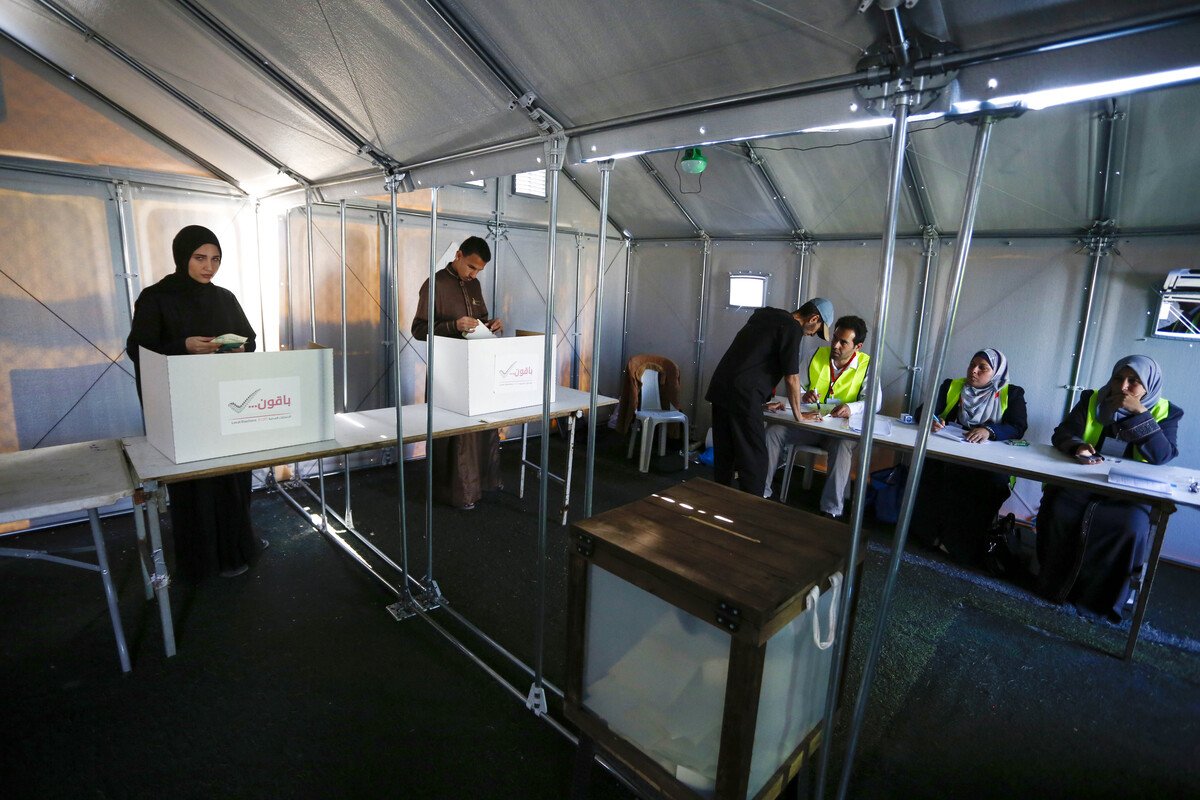
The Electoral Timetable Unveiled
Voter registration centers in the West Bank are scheduled to open on Saturday, August 15, and remain open for five days until the evening of Wednesday, August 19. Candidate nominations will begin on Saturday, September 26, and run for 12 days until the evening of Wednesday, October 7. Election campaigning is set to start on Friday, November 6, and continue for 21 days, concluding with the electoral silence period on Friday, November 27.
Early voting for security forces will take place on Thursday, November 26, with general voting across East Jerusalem, the West Bank, and the Gaza Strip on Saturday, November 28. Initial results are expected within 24 hours of preparation, while final results will be published within two weeks after legal appeals conclude.
Historical Background of Legislative Elections
The Palestinian Legislative Council has remained inactive since 2007 due to the political split between factions. Abbas dissolved the council in 2018, and the last legislative elections occurred in 2006. These long gaps have left formal legislative representation suspended for nearly two decades, shaping the current political landscape in the Palestinian territories.
Presidential elections are also scheduled under the same decree for the first quarter of 2027, linking the legislative process to a broader electoral sequence that has not been completed since the early 2000s.
Amendments to the Election Law
In June, Abbas issued a decree-law that amended the general elections law. The changes increase the number of Legislative Council members from 132 to 200, lower the candidacy age from 28 to 23, reduce the electoral threshold from 2 percent to 1 percent, and require at least one woman among every three candidates on electoral lists.
These adjustments alter the framework for participation and representation, potentially affecting how lists are formed and how smaller groups engage in the process ahead of the November 2026 vote.
Lowering the electoral threshold to one percent opens doors for smaller parties representing marginalized voices, including those focused on refugee rights or youth issues, fostering a more inclusive political spectrum. This change could encourage broader participation by reducing the dominance of major factions and allowing niche platforms to gain seats. Yet it also risks fragmenting the vote in ways that complicate coalition-building under occupation pressures.
The thirty-three percent quota for women marks a significant step toward gender equity in Palestinian politics, building on earlier gains where women played vital roles in national movements but faced systemic barriers to leadership. Historically, figures like those in the Palestinian Legislative Council have advocated for social reforms amid conflict, yet cultural and structural hurdles persist. This requirement aims to amplify women's perspectives on issues like family law and economic recovery, though implementation in divided territories remains challenging.
Challenges of Conducting Elections Under Occupation
Holding elections across East Jerusalem, the West Bank, and the Gaza Strip involves coordination amid ongoing restrictions on movement and access. The commission's timetable accounts for these conditions by specifying separate periods for registration, nominations, and voting, yet practical implementation depends on permissions and security arrangements in each area.
East Jerusalem residents face particular constraints tied to Israeli control over the city, while West Bank and Gaza Strip polling stations must operate under divided administrative realities that have persisted since 2007.
The registration process for Palestinian elections carries profound implications for those living under occupation, where Israeli authorities control vital records and movement. Palestinians must navigate a system that often requires coordination with entities tied to the occupation, raising concerns about data privacy and potential targeting. Checkpoints and permit requirements fragment communities, making it difficult for families split across the West Bank, Gaza, and East Jerusalem to register uniformly. Past elections, such as those in 2006, were hampered by similar barriers, with voters facing delays, intimidation, and restricted access to polling stations, underscoring how occupation policies have long undermined democratic participation.
Movement restrictions imposed by Israeli checkpoints disproportionately affect women, the elderly, and residents of remote villages, who struggle to reach registration centers amid unpredictable closures and security checks. These obstacles echo historical patterns where elections were postponed or limited due to external interference, leaving many Palestinians feeling disenfranchised. The process highlights the tension between the desire for self-determination and the daily realities of control that limit free assembly and expression.
Political Dynamics Between Fatah and Hamas
The territories have stayed politically and geographically divided since 2007, with Hamas administering the Gaza Strip and a Fatah-formed government managing affairs in the West Bank. The upcoming legislative elections represent an attempt to address this division through a unified electoral process, though the split continues to influence participation and campaign strategies.
Reconciliation efforts have been discussed intermittently, and the election timetable provides a concrete schedule that both sides must navigate if they choose to field candidates under the amended rules.
The Fatah-Hamas divide since 2007 has created parallel authorities that strain governance and public trust, with separate security forces and administrative systems dividing the West Bank from Gaza. Reconciliation talks have repeatedly faltered over power-sharing and external influences, leaving ordinary Palestinians to navigate inconsistent policies on education, healthcare, and aid distribution. This split exacerbates vulnerabilities, as families cope with differing legal frameworks and service access.
In Gaza, the ongoing blockade compounds these fractures by limiting resources for electoral infrastructure, such as secure venues and communication networks, while residents endure heightened economic hardship that sidelines political engagement. The division has fostered a sense of isolation, where unified national aspirations clash with localized survival needs, hindering collective efforts toward democratic renewal.
Implications for Palestinian Democracy
Reviving the Legislative Council through elections scheduled for November 28, 2026, could restore a body that has not functioned for nearly 20 years. The amendments to candidacy requirements and seat numbers aim to broaden involvement, yet the success of the process hinges on turnout and the ability of lists to meet the new criteria across all regions.
Observers note that consistent electoral cycles remain essential for institutional continuity, particularly given the extended period without active legislative oversight.
Impact on Daily Life in the West Bank, Gaza, and East Jerusalem
For residents in the West Bank, the registration period beginning August 15 offers a direct opportunity to engage with the electoral process amid routine movement restrictions. In the Gaza Strip, the same timetable applies but occurs against a backdrop of separate governance that affects daily administration and access to services.
East Jerusalem Palestinians will participate under the decree's provisions, though logistical details for polling there depend on coordination with Israeli authorities. Across these areas, the elections connect to broader questions of representation that influence local governance and community priorities.
By Fatima Al-Rashid, Staff WriterThis article was produced with AI-assisted research and editorial support. Reporting is based on sources cited in the article.
What's Your Reaction?
 Like
0
Like
0
 Dislike
0
Dislike
0
 Love
0
Love
0
 Funny
0
Funny
0
 Wow
0
Wow
0
 Sad
0
Sad
0
 Angry
0
Angry
0

Gulf/MENA Correspondent at Global1.News. Based in Doha, covering Gulf politics, energy markets, diplomacy, and development across the Middle East and North Africa. Tracks the economic transformation of the Gulf states.










Comments (0)