
US-Iran Islamabad MoU Demands Symmetrical Arms Control as IAEA Official Highlights Nuclear Inspection Gap
A former senior International Atomic Energy Agency official has sounded a cautionary note on the newly signed United States-Iran Islamabad Memorandum of Understanding, arguing that the 14-point deal can only achieve lasting stability if arms control frameworks apply symmetrically to all states in the Middle East — including Israel, which maintains an undeclared nuclear arsenal
A former senior International Atomic Energy Agency official has sounded a cautionary note on the newly signed United States-Iran Islamabad Memorandum of Understanding, arguing that the 14-point deal can only achieve lasting stability if arms control frameworks apply symmetrically to all states in the Middle East — including Israel, which maintains an undeclared nuclear arsenal estimated at approximately 90 warheads outside the Non-Proliferation Treaty framework. The official's analysis, delivered in an exclusive interview with Al Arabiya English, cuts to the heart of a dilemma that has long defined the region's most sensitive security architecture.
US-Iran Islamabad MoU Demands Symmetrical Arms Control as IAEA, Israel Nuclear Dilemma Reshapes Middle East Security
Beirut, Lebanon – June 21, 2026 —
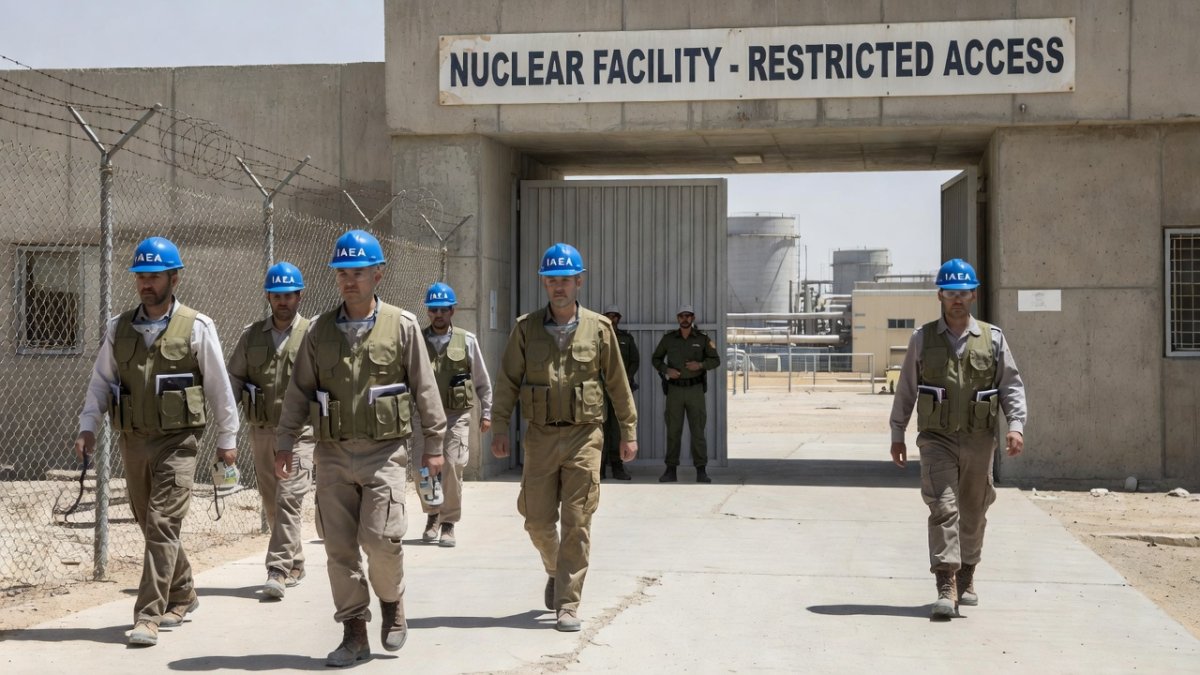
(Global 1 News)
The Islamabad MoU Reshapes Regional Security
The 14-point Islamabad Memorandum of Understanding signed in June 2026 between the United States and Iran marks a pragmatic ceasefire after months of direct conflict. Mediated by Pakistan’s Interior Minister and Qatar’s Prime Minister, the agreement was finalized in Switzerland and immediately reopened the Strait of Hormuz to commercial traffic. In exchange, Washington lifted sanctions and began unfreezing Iranian assets. The deal also schedules future talks on Iran’s nuclear program under IAEA oversight.
Why Arms Control Must Be Symmetrical
A former IAEA official interviewed by Al Arabiya English argues that durable arms control succeeds only when every party receives tangible benefits. The Islamabad MoU illustrates this principle. Iran, as an NPT signatory, faces renewed inspections at Natanz, Fordow, and Khondab—facilities damaged during the 2026 war. Yet Israel maintains an estimated 90 undeclared warheads at Dimona while remaining outside the NPT and rejecting binding inspections. This asymmetry undermines long-term compliance incentives for Tehran.
Israel’s Reaction and Strategic Calculus
Israeli Ambassador Reuven Azar publicly criticized the MoU, warning that sanctions relief could accelerate Iran’s nuclear timeline. From Jerusalem’s perspective, the deal weakens deterrence without addressing Hezbollah or Iranian proxies. However, the IAEA has already begun monitoring activities near Dimona following the March 2026 Iranian strike in the vicinity. Extending formal inspection protocols to Israel would require new diplomatic architecture that Tel Aviv currently rejects.
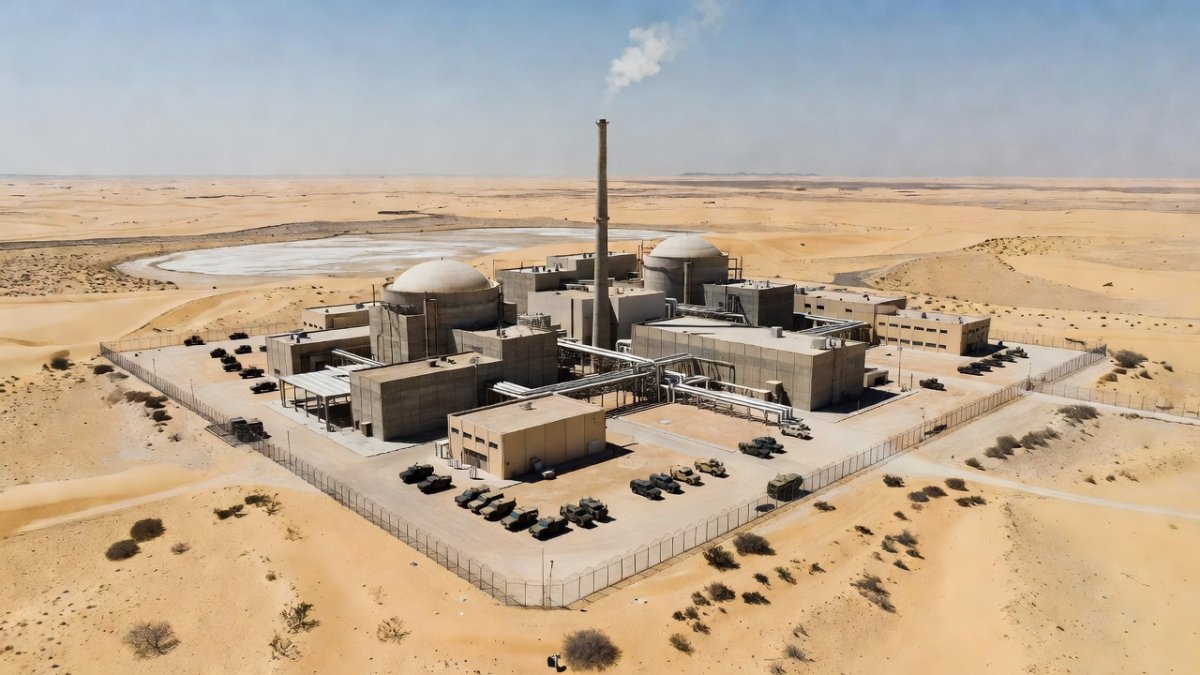
(Global 1 News)
Gulf States and Energy Market Realignment
Gulf Arab capitals view the reopening of the Strait of Hormuz as an immediate economic win. Saudi Arabia and the UAE can now accelerate diversification plans without fear of supply disruptions. At the same time, they worry that an asymmetrically enforced deal could embolden Iranian regional influence. Riyadh and Abu Dhabi are therefore pressing Washington for parallel security guarantees and accelerated Arab-Israeli normalization tracks that sidestep Palestinian issues.

(Al Arabiya English)
Broader Regional Dynamics at Play
The MoU intersects with multiple fault lines. Sunni-Shia competition remains acute, yet Pakistan’s mediation role signals growing Sunni interest in pragmatic de-escalation. Turkey watches warily, concerned that any US-Iran thaw could marginalize Ankara’s influence in Syria and Iraq. Meanwhile, great-power competition intensifies: Russia and China have offered to underwrite reconstruction at Iran’s damaged nuclear sites, potentially diluting Western leverage.
Second-Order Effects and Future Leverage
If the symmetry argument prevails, future rounds of talks could link Iranian enrichment limits to verifiable constraints on Israel’s program. Such linkage would test Washington’s willingness to pressure a key ally. Conversely, if inspections remain one-sided, Iran retains strong incentives to hedge through covert activities. The IAEA’s expanded role near Dimona already demonstrates that monitoring can expand when political conditions shift.
Strategic Outlook
The Islamabad MoU succeeds as a ceasefire instrument but will face credibility tests unless arms-control obligations become reciprocal. Regional actors from Riyadh to Ankara will calibrate their policies according to whether Washington enforces symmetry or tolerates the existing imbalance. The coming months of nuclear talks will reveal whether all parties truly gain from restraint or whether the asymmetry reasserts itself. By Malik Hassan, Staff Writer
This article was produced with AI-assisted research and editorial support. Reporting is based on sources cited in the article.
What's Your Reaction?
 Like
0
Like
0
 Dislike
0
Dislike
0
 Love
0
Love
0
 Funny
0
Funny
0
 Wow
0
Wow
0
 Sad
0
Sad
0
 Angry
0
Angry
0

Middle East Correspondent at Global1.News. Based in Beirut, covering politics, conflict, energy, and society across the Middle East. Brings context and depth to a region often reduced to headlines.













Comments (0)