
Thailand's 40-Baht Meal Scheme to Ease Cost of Living
The Launch of the Khao Kaeng Thai Chuay Thai Programme On Friday in Bangkok, Thailand's Commerce Ministry announced plans for a nationwide programme that will encourage restaurants to offer rice-and-side-dish meals at no more than 40 baht per plate. Deputy Prime Minister and Commerce Minister Suphajee Suthumpun presented the initiative, named Khao Kaeng Thai Chuay Thai, as a di
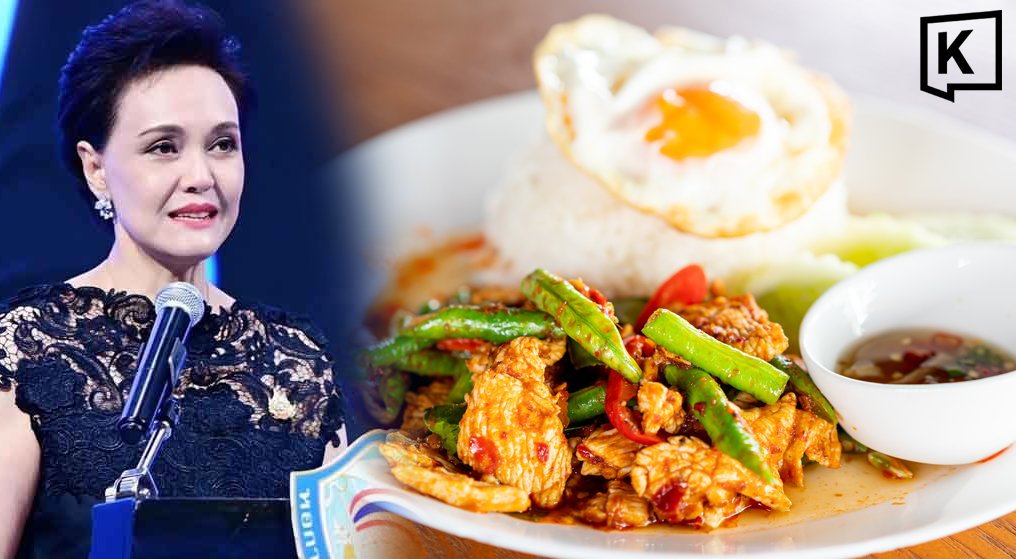
The Launch of the Khao Kaeng Thai Chuay Thai Programme
On Friday in Bangkok, Thailand's Commerce Ministry announced plans for a nationwide programme that will encourage restaurants to offer rice-and-side-dish meals at no more than 40 baht per plate. Deputy Prime Minister and Commerce Minister Suphajee Suthumpun presented the initiative, named Khao Kaeng Thai Chuay Thai, as a direct response to rising living costs for salaried workers across the country.
Thailand's street food culture forms the backdrop for the Commerce Ministry's new 40-baht meal programme. (Khaosod English)
The programme builds on the existing Thai Help Thai Plus scheme and focuses on ready-to-eat meals that include rice served with at least two side dishes meeting quality and portion standards. Suphajee Suthumpun emphasised that the effort forms part of broader government measures to support daily expenses without forcing businesses into mandatory participation.
This announcement arrives at a time when many Thai families in provinces from Bangkok to Chiang Mai rely on affordable local eateries for their main meals. The voluntary approach allows restaurants to decide whether joining aligns with their operations while still receiving government support in return for keeping selected dishes accessible.
Thai communities have long valued the rice-and-side-dish format as a practical and culturally familiar way to share meals. By reinforcing this tradition through structured support, the Commerce Ministry aims to maintain the balance between business sustainability and public access to familiar dishes in markets and street-side locations.
Supporting Local Restaurants Across Thailand
The Commerce Ministry plans to pilot the Khao Kaeng Thai Chuay Thai programme with 100,000 restaurants drawn from an existing network of around 250,000 eateries already connected to the ministry or participating in the Thai Help Thai Plus scheme. These outlets span urban centres and provincial towns, ensuring wide geographic reach from the capital to regional areas.
Participation remains entirely voluntary, with no price controls imposed on restaurants that choose not to join. Businesses that sign up will receive official signs to display at their storefronts, helping customers quickly identify locations offering the 40-baht meals that meet the required standards.
Local restaurants in Thai communities often operate on thin margins while serving as social hubs where neighbours gather for lunch or dinner. The programme's design respects this role by offering support only to those who opt in, preserving the independence of owners who prefer to set their own prices outside the scheme.
By drawing from the established network of 250,000 eateries, the ministry can activate the pilot quickly once approval is granted. This approach leverages existing relationships rather than creating new administrative layers, allowing resources to focus on delivering affordable meals to salaried workers in their daily routines.
Financial Assistance for Ingredient Costs
To help restaurants absorb rising ingredient expenses, the government intends to provide assistance packages of 3,000 baht, 5,000 baht or 10,000 baht per participating outlet. These subsidies target the cost of cooking ingredients while restaurants maintain the 40-baht maximum price for qualifying rice-and-side-dish servings.
Suphajee Suthumpun clarified that the support comes in exchange for offering affordable options rather than through any form of mandated pricing. This structure allows restaurant owners to calculate whether the subsidy level matches their ingredient needs before committing to the programme.
Many small eateries in Thai markets purchase fresh produce daily from local suppliers, making ingredient costs a direct factor in menu pricing. The proposed packages aim to offset these expenses without altering the voluntary nature of involvement, giving owners flexibility in how they apply the assistance.
The tiered amounts reflect differences in restaurant size and volume, from modest street-side spots to larger establishments. By tying the support directly to ingredient costs, the Commerce Ministry addresses a practical pressure point that affects both business viability and the ability to serve traditional meals at accessible prices.
Timeline for Cabinet Review and Pilot Start
The Department of Internal Trade is finalising the full proposal for submission to the Cabinet during the third week of this month. Once approved, the programme could begin immediately, with the pilot phase set to run for at least three months across the initial 100,000 restaurants.
This timeline allows officials to incorporate feedback from participating eateries before considering any nationwide expansion. The three-month duration provides a clear window to assess how the 40-baht meals perform under real operating conditions in Bangkok and provincial locations.
Cabinet review in the third week of July positions the initiative for swift implementation during a period when many salaried workers face ongoing cost pressures. The Department of Internal Trade's role in preparing the documents ensures that details on subsidy distribution and quality standards are ready for ministerial consideration.
Should the pilot demonstrate positive results, the Commerce Ministry has indicated plans to increase the number of participating restaurants. This measured rollout respects the voluntary model while allowing time to refine processes based on actual participation from the network of 250,000 affiliated eateries.
Benefits for Thai Communities and Daily Life
Salaried workers in Thailand often depend on nearby restaurants for their midday and evening meals, particularly in areas where home cooking is limited by long work hours. The 40-baht option under Khao Kaeng Thai Chuay Thai directly addresses this daily need by keeping traditional rice-and-side-dish combinations within reach.
The cultural importance of these meals extends beyond nutrition to include the social practice of sharing dishes at local markets and family-style tables. By supporting restaurants that maintain this format, the programme helps preserve a familiar element of Thai daily life that connects generations in both urban and rural settings.
Street food vendors and small restaurants form a vital part of community economies, employing local residents and sourcing from nearby suppliers. The voluntary subsidies of 3,000 to 10,000 baht per outlet can help these businesses continue operating while offering meals that fit household budgets across provinces.
Over the three-month pilot period, the visible signs at participating locations will make it easier for workers to locate affordable options without extensive searching. This practical benefit supports steady routines for families who balance work, commuting, and mealtimes in cities like Bangkok and smaller provincial centres.
Regional Implications for Southeast Asia
Thailand's approach through the Commerce Ministry offers a model that other Southeast Asian nations may observe as they address similar cost-of-living concerns for their own populations. The combination of voluntary participation and targeted ingredient support provides a framework that respects business autonomy while delivering measurable relief.
Within the ASEAN context, initiatives that stabilise meal prices can influence cross-border discussions on food security and worker welfare. Thailand's pilot with 100,000 restaurants from an established network demonstrates how existing government-business connections can be activated quickly once Cabinet approval is secured.
The emphasis on rice-and-side-dish meals aligns with regional dietary patterns, making the programme relevant beyond Thailand's borders. Successful outcomes over the three-month period could inform how neighbouring countries design their own support mechanisms for local eateries serving everyday customers.
The Road Ahead
Voluntary participation remains central to the Khao Kaeng Thai Chuay Thai programme, ensuring that restaurants join only when the subsidy levels and requirements suit their operations. This principle allows the Commerce Ministry to maintain positive relationships with the 250,000 eateries in its network while expanding access to affordable meals.
If the pilot succeeds, expansion plans will focus on increasing the number of outlets nationwide while continuing the same support structure. The Department of Internal Trade will monitor results from the initial three months to guide any adjustments before broader rollout.
The initiative reflects ongoing efforts by the Thai government to ease daily pressures on communities through practical measures that build on existing programmes like Thai Help Thai Plus. By the end of the pilot phase, clearer data will emerge on how the 40-baht meals affect both restaurant sustainability and household expenses across the country.
By Ann Srisawat, Staff WriterThis article was produced with AI-assisted research and editorial support. Reporting is based on sources cited in the article.
What's Your Reaction?
 Like
0
Like
0
 Dislike
0
Dislike
0
 Love
0
Love
0
 Funny
0
Funny
0
 Wow
0
Wow
0
 Sad
0
Sad
0
 Angry
0
Angry
0

Southeast Asia Correspondent at Global1.News. Based in Bangkok, covering Thai and Southeast Asian politics, economy, technology, and culture. Deep regional perspective on one of the world's most dynamic regions.












Comments (0)