
Cuba Blackout Sparks Protests Amid Third Nationwide Outage
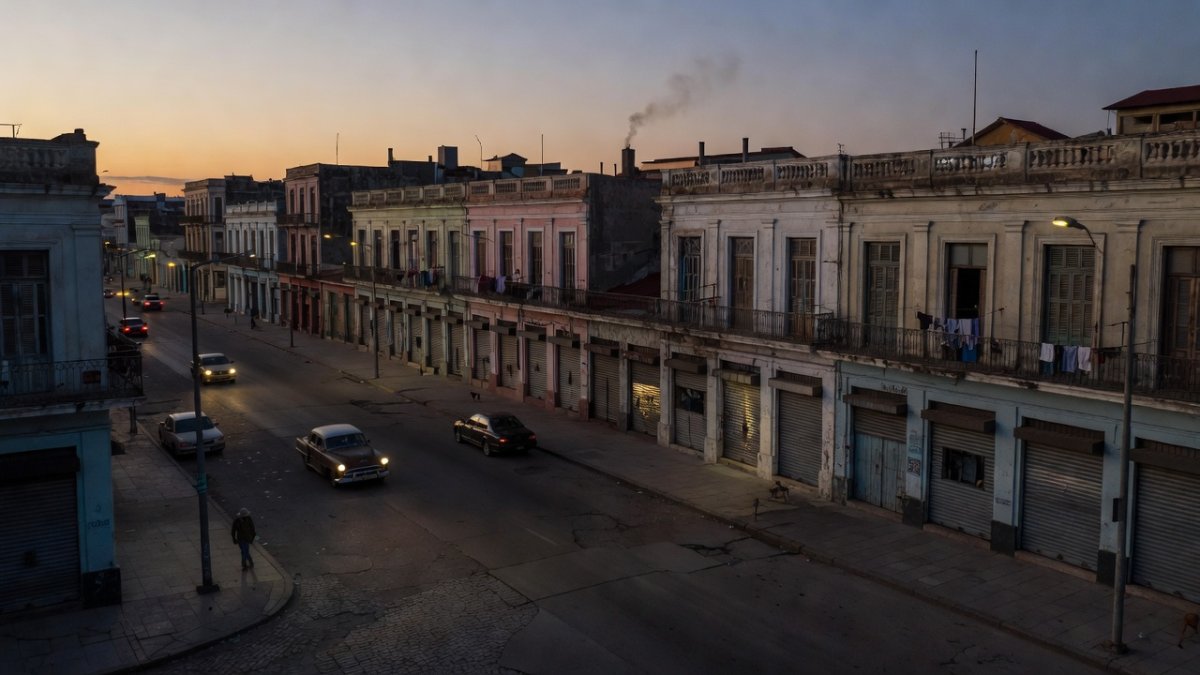
Cubans Protest as Third Nationwide Blackout Plunges Island Into Darkness On Tuesday evening angry residents across multiple cities in Cuba took to the streets and banged pots to voice their frustration over the sudden nationwide power cut. These spontaneous demonstrations occurred in areas hit hardest by the outage and reflected deep dissatisfaction with ongoing energy shortage
Cubans Protest as Third Nationwide Blackout Plunges Island Into Darkness
On Tuesday evening angry residents across multiple cities in Cuba took to the streets and banged pots to voice their frustration over the sudden nationwide power cut. These spontaneous demonstrations occurred in areas hit hardest by the outage and reflected deep dissatisfaction with ongoing energy shortages. The protests unfolded even as authorities worked to restore electricity in most regions by the end of the day. Local voices echoed calls for immediate action while darkness persisted in several neighborhoods.
This latest blackout marks the third nationwide outage experienced on the island this year and compounds the effects of state-imposed rolling electricity cuts designed to stretch limited fuel supplies. Rural communities have endured periods of darkness lasting up to seventy hours while urban zones have faced planned interruptions reaching thirty hours. The cumulative strain has disrupted daily routines and heightened tensions among residents already coping with multiple shortages. Officials have not yet identified the precise trigger behind the unplanned incident.
Santiago de Cuba the country's second-largest city remained among the locations where power had not been fully restored by Tuesday evening local time. The state electricity company offered no explanation for the cause of the outage or a detailed timeline for complete recovery. Residents in the city continued to wait as other parts of the nation saw gradual reconnection. This lag underscored uneven restoration efforts across different provinces.
Public dissent remains rare in the Communist-run country where such actions often carry the risk of lengthy prison sentences. Yet spontaneous protests have emerged in the worst-affected zones as frustration over prolonged blackouts grows. These displays of anger signal a shift in how citizens are responding to the crisis. The events highlight the human cost of repeated energy failures.
Fuel Scarcity and the US Oil Blockade
Fuel shortages have intensified across Cuba leaving many households and businesses without the diesel needed to operate backup generators during blackouts. Even those who possess generators find them useless without adequate supplies of fuel. This scarcity stems from broader restrictions that limit imports and distribution networks. The result is extended periods without reliable electricity for essential services.
US sanctions combined with an effective oil blockade have tightened access to fuel and created additional barriers for shipments reaching the island. The Trump administration has threatened tariffs on countries that supply Cuba with energy resources further complicating procurement efforts. These measures have exacerbated existing vulnerabilities in the national energy system. Officials continue to navigate these external pressures while managing domestic needs.
The seizure of former Venezuelan President Nicolás Maduro in January removed a key ally that previously supported Cuba with oil deliveries. This development has contributed to the sharp decline in available fuel stocks on the island. Cuba has historically relied on such regional partnerships to sustain its energy infrastructure. The loss has accelerated the current shortages.
US authorities have also leveled murder charges against former Cuban president Raúl Castro who remains influential despite his advanced age. President Trump has publicly suggested that Cuba is ready to fall amid these mounting pressures. These statements have added to the geopolitical tensions surrounding the energy crisis. They reflect ongoing strains in bilateral relations that date back decades.
Human Toll of Extended Blackouts
President Miguel Díaz-Canel has acknowledged widespread shortages of transport food medicines and lengthy power cuts exceeding twenty hours that leave people suffering. He noted that such conditions naturally generate dissatisfaction among the population. His comments came during an interview with a Spanish-language weekly newspaper based in San Juan Puerto Rico. The admissions highlight the scale of daily hardships faced by ordinary citizens.
Extended blackouts disrupt refrigeration for food storage and interfere with the operation of medical equipment in homes and clinics. Families struggle to preserve perishables while hospitals manage limited backup options during outages. These interruptions compound existing challenges in accessing basic necessities. The effects ripple through communities already strained by economic difficulties.
Low-income families bear the brunt of these prolonged power failures as they lack resources for alternative solutions like private generators. Many households in both rural and urban settings find themselves without means to cope during extended darkness. This disparity widens existing inequalities within Cuban society. The situation underscores how energy access affects the most vulnerable groups first.
Broader health and social impacts include increased risks from spoiled medications and disrupted community services that rely on consistent electricity. Schools and workplaces face interruptions that hinder education and productivity. These cumulative effects contribute to a sense of instability across the island. The crisis touches every aspect of daily life for residents.
Latin America's Energy Vulnerability in Focus
Many nations across Latin America share a heavy dependence on imported fossil fuels that leaves them exposed during global supply disruptions. This regional pattern amplifies the effects of external sanctions and market fluctuations on local economies. Countries must balance immediate energy needs with long-term sustainability goals. The Cuban situation serves as a stark reminder of these shared vulnerabilities.
Brazil has encountered its own hydropower challenges in recent months prompting agencies such as IBAMA and the Ministry of the Environment to accelerate renewable energy initiatives. These efforts aim to diversify sources and reduce reliance on vulnerable imports. Similar pressures affect neighboring economies seeking greater energy independence. Regional cooperation could offer pathways to mitigate such risks.
Colombia and Peru have reported comparable difficulties in securing consistent fuel access amid shifting international dynamics. These nations face parallel constraints that influence their domestic energy planning and public services. The interconnected nature of Latin American energy markets means disruptions in one area can influence others. Observers note the need for coordinated responses.
The collapse of Venezuela as a reliable regional oil supplier has removed a critical source of energy support for several Caribbean and Latin American countries including Cuba. This shift has forced governments to seek alternative arrangements under difficult conditions. The resulting gaps have contributed to broader instability in energy availability. Historical ties in the region now face new tests.
Renewable Energy as a Path Forward for the Caribbean
Cuba and other Caribbean islands possess significant untapped potential for solar and wind energy that could reduce dependence on imported fuels. Developing these resources would provide more stable and locally controlled power generation. Investment in such technologies aligns with global climate objectives while addressing immediate shortages. Policymakers are increasingly examining these options amid the current crisis.
Distributed renewable systems offer a resilience strategy that allows communities to maintain power even when central grids fail. Small-scale solar installations in particular can support households and essential services during outages. This approach has gained attention as a practical response to repeated blackouts. It emphasizes local solutions over large centralized infrastructure.
Financing barriers persist due to sanctions that limit access to international funding and technology transfers for renewable projects. These restrictions slow the adoption of cleaner energy alternatives on the island. Creative partnerships may be required to overcome such obstacles. The situation highlights how geopolitical factors intersect with climate goals.
Other Caribbean islands have begun implementing solar and wind projects that demonstrate viable models for greater energy autonomy. These examples provide lessons on scaling renewables despite limited resources. Cuba could draw from these experiences to build more robust systems. Regional knowledge sharing supports broader transitions across the area.
Geopolitics, Diplomacy, and the Climate Cost
Private talks between the United States and Cuba in recent weeks have shown no visible progress according to statements from Cuban officials. These discussions occur against a backdrop of public accusations and longstanding tensions. Both sides continue to exchange views on energy and related issues. The lack of advancement leaves the immediate crisis unresolved.
Foreign Minister Bruno Rodríguez has emphasized the importance of dialogue based on mutual respect and non-interference in Cuba's internal affairs. His remarks on Tuesday left the door open for future engagement while criticizing external pressures. Such statements reflect ongoing diplomatic maneuvering. They underscore the complexity of finding common ground.
Stalled energy cooperation carries climate implications as continued reliance on scarce fossil fuels delays transitions to cleaner sources. The crisis in Cuba illustrates how geopolitical conflicts can hinder regional progress on emissions reductions. Latin American nations watch these developments closely for their own planning. Sustainable solutions require addressing both political and environmental dimensions.
Cross-border renewable projects involving Brazil offer an alternative model for energy collaboration that prioritizes shared infrastructure and technology exchange. Such initiatives could inspire similar efforts elsewhere in the region despite current obstacles. They demonstrate potential pathways that balance sovereignty with practical cooperation. The climate cost of inaction grows with each passing month.
By Elena Vasquez, Staff WriterThis article was produced with AI-assisted research and editorial support. Reporting is based on sources cited in the article.
What's Your Reaction?
 Like
0
Like
0
 Dislike
0
Dislike
0
 Love
0
Love
0
 Funny
0
Funny
0
 Wow
0
Wow
0
 Sad
0
Sad
0
 Angry
0
Angry
0

Latin America Correspondent at Global1.News. Based in Mexico City, covering politics, economics, energy, and culture across the region. Brings an on-the-ground perspective to stories spanning from the Rio Grande to Patagonia.













Comments (0)