
Zulu King's Leaked Video Sparks Debate Over Tradition and Gender-Based Violence in South Africa
The Leaked Video and the King's Outburst In a video that spread quickly across South Africa this week, King Misuzulu kaZwelithini directed sharp words at Queen Nomzamo Myeni, his third wife whom he married last November. He accused her of leaving the home without permission, insulted her repeatedly, and said he wanted her out. The footage also captured him mentioning a girlfrie
The Leaked Video and the King's Outburst
In a video that spread quickly across South Africa this week, King Misuzulu kaZwelithini directed sharp words at Queen Nomzamo Myeni, his third wife whom he married last November. He accused her of leaving the home without permission, insulted her repeatedly, and said he wanted her out. The footage also captured him mentioning a girlfriend waiting for him. Queen Nomzamo appeared to be filming, staying quiet until the end when she said, "This is the life I live, day and night."
The royal household later released a statement expressing the king's deep regret. It noted that the outburst had caused pain and embarrassment among royal circles and the broader Zulu community. The statement stressed that the recordings are historical and do not reflect current circumstances in the household. On the day the video surfaced, the king and queen were hosting politicians as part of their official duties, which the household described as evidence of reconciliation and reflection.
The Zulu Monarchy in Contemporary South Africa
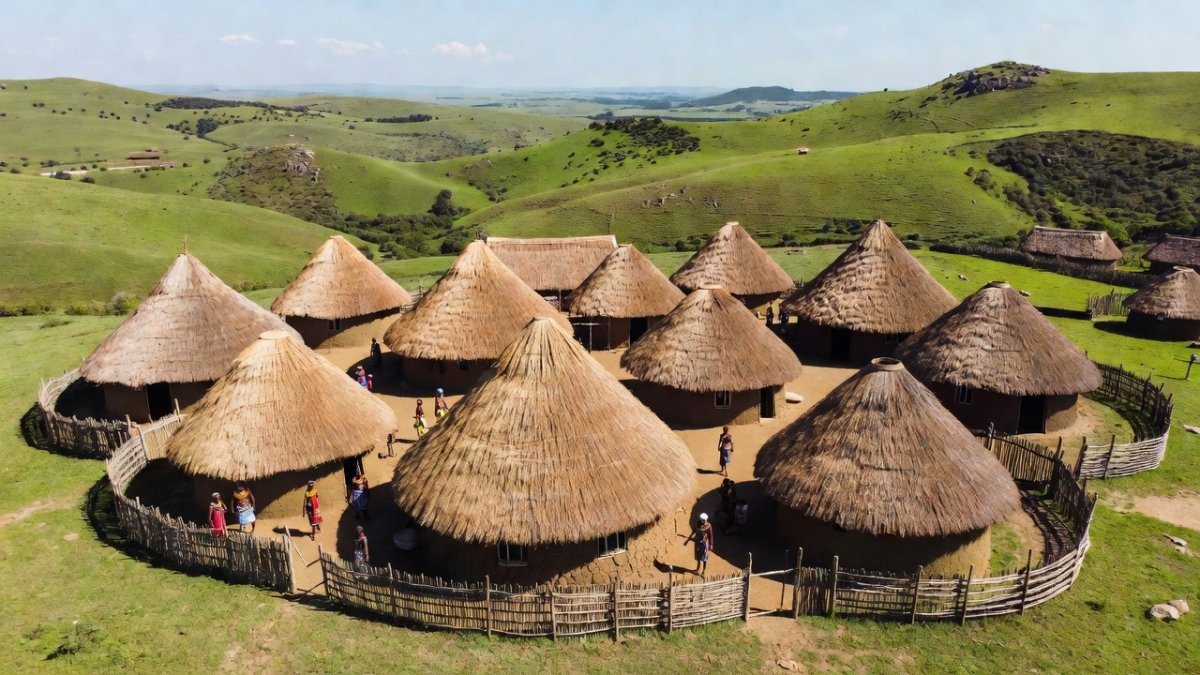
The Zulu king holds a position described as the lion of the nation, serving as custodian of long-standing traditions that center marriage and polygamy in royal life. While the role remains ceremonial within South Africa's constitutional framework, the king continues to carry significant influence. The position receives a yearly government-funded budget of several million dollars, underscoring its place in national life even as the country operates under modern democratic structures.
King Misuzulu's own path to the throne followed a year-long family dispute. Some relatives questioned whether he was the rightful heir and suggested his father's will had been forged. The leaked video also includes the king stating that he became monarch through witchcraft, adding another layer to public discussion about the institution's internal dynamics.
Polygamy, Patriarchy, and Zulu Traditions
Zulu society places strong emphasis on patriarchal norms, where women are often expected to follow traditional expectations around marriage and obedience. The king's comments in the video about a wife needing permission to leave the house reflect these longstanding customs. His marriage to Queen Myeni itself faced delays last year because of a court case brought by his first wife, Queen Ntokozo kaMayisela, who argued that the new union would amount to bigamy without first converting the civil marriage into a traditional Zulu one. The judge dismissed the case after noting the first wife's earlier agreement that additional wives could be taken.
These traditions continue to shape daily expectations within royal households and beyond. The source text makes clear that polygamy sits at the heart of how royal success has long been understood in Zulu culture, creating both continuity and tension when private conflicts become public.
Divided Voices on Social Media
The footage has produced a clear split in reactions across South African platforms. Some users condemned the king's language as abusive and undignified. Others directed criticism at Queen Nomzamo for recording and sharing what they viewed as private family matters. South African journalist Asanda Magaqa wrote that while she would never encourage filming private moments, the video helped her understand why the queen might have felt the need to document her experience. She added that no woman deserves to live like that.
This divide reveals deeper questions about privacy, dignity, and accountability within traditional settings. The royal household's statement attempted to frame the incident as resolved through reflection, yet public conversation continues to weigh the weight of personal conduct against the expectations placed on both the king and his wives.
Gender-Based Violence and National Realities
South Africa carries one of the highest rates of violence against women in the world. Last year the government classified gender-based violence as a national disaster, recognizing the scale of the challenge. The leaked video has brought these broader patterns into sharper focus, as many observers connect the king's recorded threats to the everyday realities faced by women across the country.
The incident does not stand alone. It arrives against a backdrop where traditional expectations around marriage and obedience can sometimes clash with efforts to address harm. The queen's quiet recording and final statement capture a sense of ongoing strain that resonates with many who follow the story.
Traditional Institutions and Modern Values Across Africa
From Senegal to South Africa, communities continue to navigate how age-old institutions can sit alongside commitments to gender equality. The Zulu monarchy's influence remains strong, yet the public response to this video shows growing insistence that respect and safety must apply inside royal households as much as anywhere else. The royal statement's emphasis on reconciliation suggests an awareness that the institution must respond to contemporary expectations.
Across the continent, similar conversations arise whenever traditional leaders confront modern legal and social standards. The Zulu case highlights both the enduring cultural weight of monarchy and the pressure to align personal conduct with values that reject abuse. As South Africans and other Africans watch, the path forward will depend on whether these institutions can adapt while preserving the cultural roots that give them meaning.
By Amara Diop, Staff WriterThis article was produced with AI-assisted research and editorial support. Reporting is based on sources cited in the article.
What's Your Reaction?
 Like
0
Like
0
 Dislike
0
Dislike
0
 Love
0
Love
0
 Funny
0
Funny
0
 Wow
0
Wow
0
 Sad
0
Sad
0
 Angry
0
Angry
0
West Africa/Sahel Correspondent at Global1.News. Dakar-based journalist covering politics, security, climate, and development across Francophone and Anglophone West Africa. Tells the stories of a region undergoing profound transformation.











Comments (0)