
Healing the Wounded: The Yazidi Doctor Who Gave Life Back to 1,200 Women
The Yazidi Genocide Unfolds in Sinjar on August 3 2014 On 3 August 2014 Islamic State militants stormed the northern Iraqi town of Sinjar and began a systematic campaign that the United Nations later classified as an ongoing genocide. At least 12,000 Yazidis were killed or kidnapped in the opening weeks as the group seized nearly a third of Iraq. The Sinjar region home to a lar
The Yazidi Genocide Unfolds in Sinjar on August 3 2014
On 3 August 2014 Islamic State militants stormed the northern Iraqi town of Sinjar and began a systematic campaign that the United Nations later classified as an ongoing genocide. At least 12,000 Yazidis were killed or kidnapped in the opening weeks as the group seized nearly a third of Iraq. The Sinjar region home to a large Yazidi population became the epicenter of this violence with families torn apart in a matter of hours.
Historical records show that Yazidis have faced repeated persecution over centuries yet the scale of the 2014 assault marked a new level of brutality. Islamic State fighters targeted the community for its religious beliefs centered on Yasdan and the revered Melek Tawwus the Peacock Angel. This attack displaced tens of thousands and left lasting scars on the social fabric of the area.
Human impact was immediate and profound as survivors like nineteen-year-old Shireen witnessed the destruction of their homes and communities. The United Nations designation of the events as genocide underscored the intent to eradicate Yazidi identity through mass killings and sexual enslavement. Recovery efforts would later require coordinated action from regional authorities and international partners.
Long-term challenges emerged from the outset including the loss of entire family networks and the destruction of cultural sites in Sinjar. The Kurdistan Regional Government played an early role in documenting cases and providing initial shelter for those who escaped across the border into the Kurdish region. These foundational efforts set the stage for specialized medical and psychological interventions that followed.
Shireens Ordeal from Sinjar to Captivity in Mosul
Shireen was studying for a high school examination at her home in Sinjar when Islamic State militants broke into her house and kidnapped her on 3 August 2014. At age nineteen she was sold as a sex slave to an IS militant in Tal Afar and three months later transferred to Abu Omar another fighter in Mosul who made her his third wife. Her account reveals the systematic nature of the enslavement that affected thousands of Yazidi women and girls.
Abu Omar already had two Iraqi wives who beat her regularly while he subjected her to repeated rape. Shireen later recounted his false declarations of love noting that such words contradicted the violence she endured daily. The KRG's Kidnapped Affairs department under director Hussein al-Qaidi later tracked similar cases documenting the movement of captives across IS-held territories.
Two additional Yazidi girls aged six and ten were brought into the household to perform cleaning tasks further illustrating the generational reach of the enslavement. Shireens uncle and many friends were killed during the initial assault while her father and one sister remain missing since 2014. These personal losses compounded the trauma that survivors carried into liberation.
Analytical perspectives highlight how the Sinjar attacks disrupted centuries-old Yazidi settlement patterns and scattered communities across refugee camps in the Kurdish region. The role of the KRG in facilitating escapes and initial registrations proved critical yet the scale of missing persons cases continues to challenge long-term recovery frameworks. Human stories like Shireens underscore the need for sustained support beyond immediate rescue operations.
Forced Conversion and the Assault on Yazidi Identity
Islamic State militants told Shireen that her belief in Melek Tawwus represented worship of the devil and compelled her to convert to Islam under threat of further violence. This religious coercion formed a core element of the genocide as documented by the United Nations which recognized the intent to destroy Yazidi spiritual traditions. Such forced conversions stripped survivors of their cultural anchors during captivity.
Shireen was confined to a house in Mosul for more than two years with two guards stationed at the entrance preventing any access to fresh air or the garden. Daily routines consisted of cooking washing dishes and cleaning under constant surveillance. The psychological toll of this isolation intertwined with physical abuse to create deep wounds that required specialized care after release.
The KRG through its Duhok office coordinated with international organizations to register liberated individuals and track patterns of abuse across IS territories. Historical context reveals that Yazidi communities in Sinjar had maintained distinct religious practices for generations making them particular targets for erasure. Long-term recovery thus involves not only medical treatment but also efforts to restore cultural continuity.
Human impact studies show that survivors often grapple with identity conflicts after enduring such indoctrination. The analytical lens of gender-based violence experts points to the deliberate use of sexual slavery as a weapon aimed at fracturing family structures and community resilience. These dimensions informed the holistic approaches later adopted by medical professionals working with returnees.
The Kurdistan Regional Governments Coordination of Rescue and Support
The Kurdistan Regional Government established the Kidnapped Affairs department in Duhok led by director Hussein al-Qaidi to manage cases of those liberated from IS territories. By July 2018 this office had recorded 2,023 individuals freed with more than half being women and girls. The KRG provided essential logistical support including safe passage and initial documentation for survivors entering the Kurdish region.
Historical background indicates that the KRG had previously hosted displaced Yazidis from Sinjar following the 2014 attacks creating a network of camps and services. This infrastructure proved vital when Iraqi forces began liberating areas like Mosul in 2016 allowing for systematic referrals to specialized centers. The departments role extended beyond rescue to include family tracing for missing relatives.
Long-term challenges include the ongoing search for thousands still unaccounted for and the integration of survivors into host communities. Analytical assessments note that KRG funding limitations necessitated partnerships with UNFPA and other agencies to sustain programs. Human stories of returnees highlight both gratitude for early intervention and the gaps that persist in comprehensive care.
The departments collaboration with local health providers facilitated the transition from captivity to structured support systems. This coordination addressed immediate safety needs while laying groundwork for psychological and medical rehabilitation. Such efforts reflect broader regional commitments to counter the legacy of the genocide in Sinjar and surrounding areas.
Dr Nagham Nawzats Journey from Mosul to Specialized Care
Born in Mosul in 1976 to a Yazidi family Dr Nagham Nawzat pursued medicine with a focus on women's health graduating from Mosul's Medical College in gynaecology in 2002. Her early aspirations centered on teaching women about healthcare and providing direct support a vision that gained urgency after the 2014 genocide. At age forty-two she had already established herself as a dedicated practitioner before the influx of survivors.
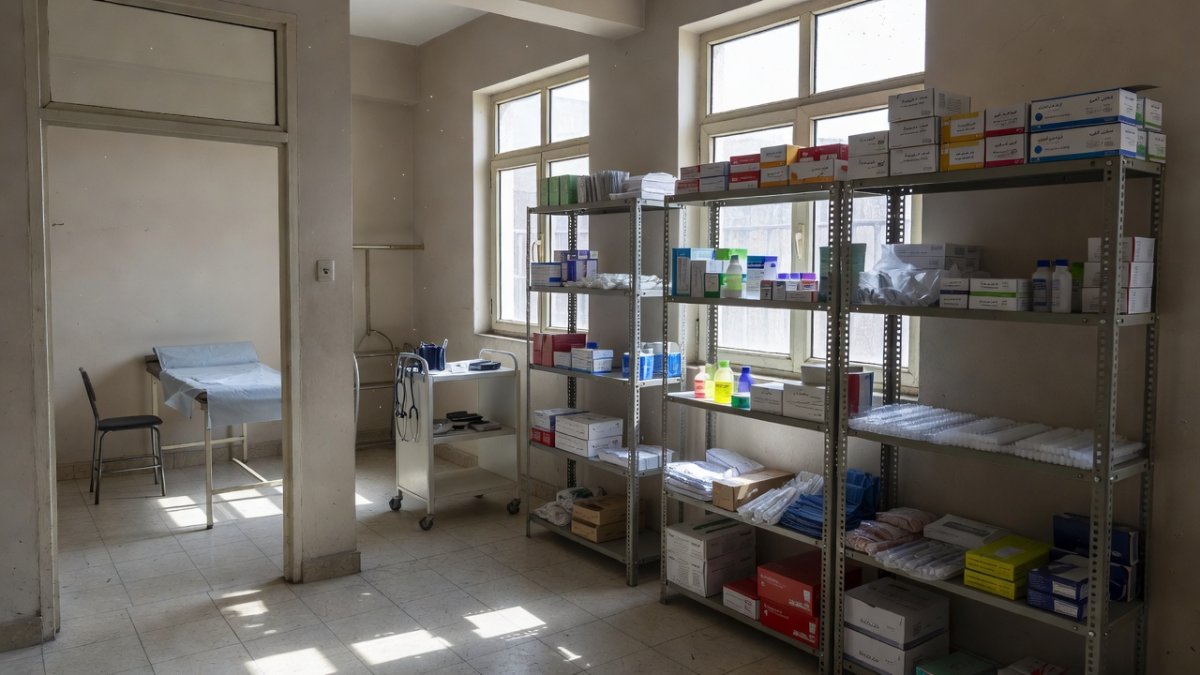
In 2015 Nawzat joined the Duhok Survivors Centre volunteering her expertise in healthcare and psychological first aid. The center funded by UNFPA stands as the only facility in Iraq specializing in gender-based violence making it a critical hub for Yazidi returnees. Her approach combined thorough physical examinations with attentive listening to each patient's fears and experiences.
By 2018 Nawzat had supported an estimated 1,200 Yazidi women through this post-traumatic medical model referring severe cases such as suicide attempts to psychiatrists. She positioned herself as a big sister figure offering emotional guidance alongside clinical care. This dual role addressed both the physical consequences of enslavement and the mental health burdens carried by survivors.
Analytical depth reveals how Nawzats Yazidi background fostered trust among patients who had endured religious persecution. Historical context of the Sinjar attacks shows that many survivors arrived with complex trauma requiring culturally sensitive interventions. Long-term recovery challenges include sustaining such personalized care amid resource constraints and the need for continued international backing.
The Duhok Survivors Centre and Its Lifesaving Interventions
The Duhok Survivors Centre established with UNFPA support became the primary destination for women like Shireen after their release during the 2016 Mosul campaign. Nawzat conducted initial assessments that included physical check-ups followed by extended conversations allowing survivors to share their stories in a safe environment. This structured process helped rebuild a sense of agency for those who had been silenced for years.
Shireen described how Nawzat affirmed her bravery and provided the emotional foundation necessary for continued survival. Without this intervention many women reported feeling unable to move forward from the nightmares and depression that followed captivity. The centers specialization in gender-based violence enabled targeted responses to the unique harms inflicted during the genocide.
KRG coordination through Hussein al-Qaidi's department ensured that liberated individuals reached the facility promptly after crossing into Kurdish-controlled areas. Historical patterns of displacement from Sinjar illustrate the center's role in bridging immediate rescue with sustained rehabilitation. Human impact is evident in the testimonies of survivors who credit the center with restoring hope and functionality.
Long-term challenges encompass the need for ongoing monitoring of mental health and the integration of family support services. Analytical perspectives emphasize that the centers model offers a blueprint for addressing mass trauma yet requires expansion to meet the full scope of needs arising from the 2014 events. Partnerships with international bodies remain essential for maintaining these services.
International Recognition and the Path Toward Sustained Recovery
In March 2016 Dr Nagham Nawzat received the International Women of Courage Award from United States Secretary of State John Kerry for her work with traumatized Yazidi survivors and her efforts to combat gender-based violence. This recognition highlighted the global significance of localized medical interventions in post-genocide settings. The award drew attention to the estimated 1,200 women who had benefited from her care by that point.
Shireen now twenty-three expressed profound gratitude noting that Nawzat's support made her continued existence possible after years of captivity. Such personal accounts reflect broader human impacts where individual healers become anchors for entire communities rebuilding after the Sinjar atrocities. The United Nations ongoing genocide classification continues to frame calls for accountability and reparations.
The KRG's role in facilitating access to centers like the one in Duhok complements these international acknowledgments by providing on-the-ground infrastructure. Long-term recovery challenges include addressing missing family members and ensuring economic opportunities for survivors who face stigma and health complications. Analytical assessments stress the importance of multi-year funding commitments to prevent relapse into isolation.
Historical background of Yazidi resilience in the face of prior persecutions informs current strategies that blend medical care with cultural preservation. Nawzats mission exemplifies how dedicated professionals can mitigate some consequences of the 2014 genocide while underscoring the collective responsibility to support full societal reintegration. Continued vigilance remains necessary to honor the experiences of all affected families.
By Fatima Al-Rashid, Staff WriterThis article was produced with AI-assisted research and editorial support. Reporting is based on sources cited in the article.
What's Your Reaction?
 Like
0
Like
0
 Dislike
0
Dislike
0
 Love
0
Love
0
 Funny
0
Funny
0
 Wow
0
Wow
0
 Sad
0
Sad
0
 Angry
0
Angry
0
Gulf/MENA Correspondent at Global1.News. Based in Doha, covering Gulf politics, energy markets, diplomacy, and development across the Middle East and North Africa. Tracks the economic transformation of the Gulf states.











Comments (0)