
Cuba Blackout Crisis: Grid Collapses Crush Healthcare System on the Brink
When the lights went out across Cuba on July 11, 2026, Dr. María Elena Rodríguez was mid-surgery at a Havana hospital. The backup generator sputtered to life, but she knew the diesel would last only hours. Somewhere across the city, a child with leukemia waited for a radiotherapy session that could not begin. In an eastern province, a dialysis patient watched the clock, knowing
When the lights went out across Cuba on July 11, 2026, Dr. María Elena Rodríguez was mid-surgery at a Havana hospital. The backup generator sputtered to life, but she knew the diesel would last only hours. Somewhere across the city, a child with leukemia waited for a radiotherapy session that could not begin. In an eastern province, a dialysis patient watched the clock, knowing their four-hour session would be cut to two. This is the reality of Cuba's fourth nationwide grid collapse in a single year — a crisis that has transformed routine healthcare into a daily struggle for survival and turned the country's once-celebrated health system into a symbol of infrastructural decay.
Cuba Blackout Crisis: Grid Collapses Crush a Healthcare System Already on the Brink
Havana, Cuba – July 11, 2026 —
Blackout Reality: Four Collapses in One Year
The July 11, 2026 collapse represents the fourth nationwide grid failure in a single calendar year, underscoring the accelerating breakdown of Cuba’s electricity infrastructure. Since the first total collapse on March 16, 2026, the country has endured repeated system-wide outages, reaching a cumulative total of eight since late 2024. Approximately 10 million residents, nearly the entire population, lost power simultaneously during the most recent event. Prior to these total failures, Havana residents routinely experienced 15 or more hours of daily blackouts, a pattern that had already become normalized across provinces. At the moment of collapse, the national grid was functioning at roughly 34 percent of its installed capacity, a figure that reveals how little reliable generation remains online. Energy Minister statements in May 2026 openly acknowledged that Cuba had run out of both diesel and fuel oil, confirming the immediate trigger for several earlier failures. These repeated collapses are not isolated incidents but symptoms of a power system that has lost the ability to maintain even minimal stability. The frequency of total blackouts has increased from sporadic events in 2024 to near-quarterly catastrophes in 2026, each one erasing any temporary recovery achieved between failures. With generation capacity so severely degraded, the island now faces the prospect of additional collapses before the year ends.
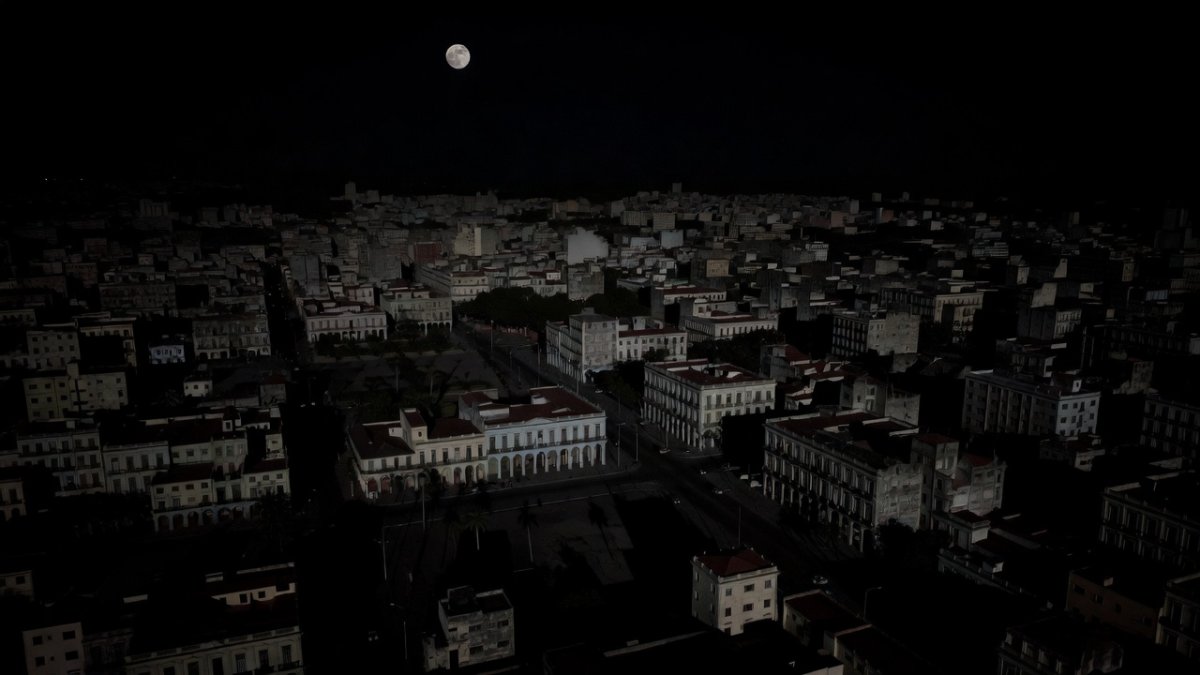
Hospitals in the Dark: A Healthcare System Under Siege
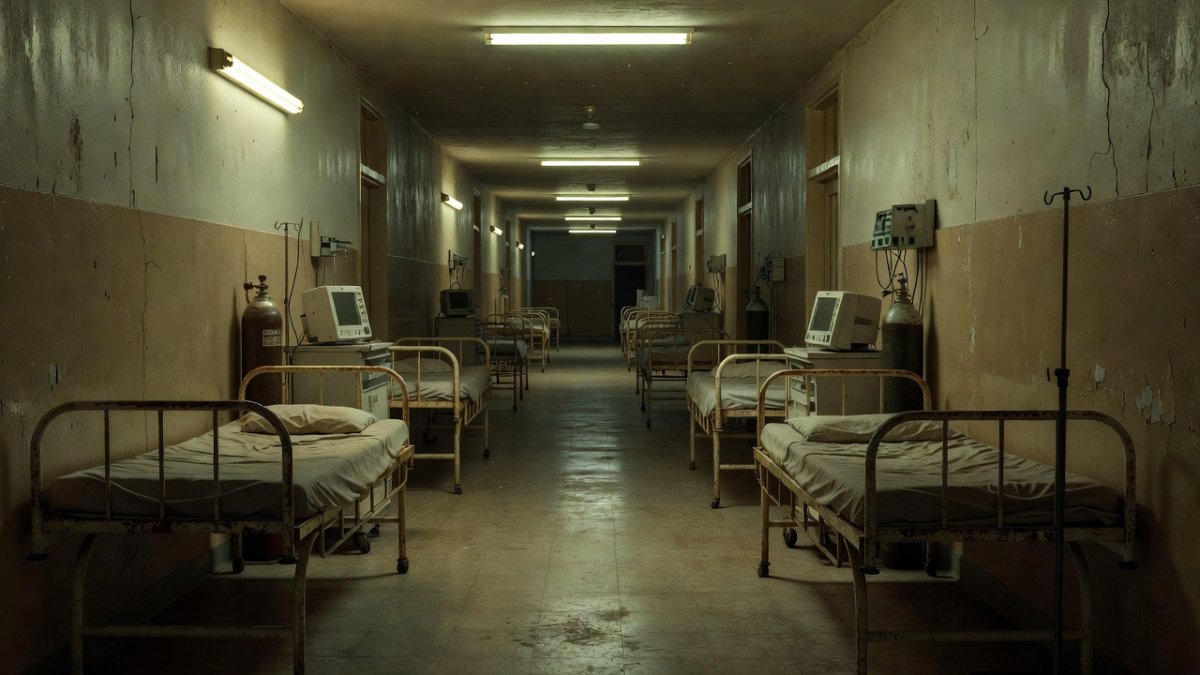
Cuba’s hospitals have been pushed to the brink by the cascading power failures. Over 100,000 patients remain on surgical waiting lists, including approximately 12,000 children whose procedures have been indefinitely postponed. In Havana alone, more than 1,200 patients await radiotherapy treatment while the single tomograph serving the capital and multiple provinces operates under constant threat of outage. Childhood cancer survival rates have fallen from 85 percent to 65 percent as consistent treatment becomes impossible. At Hospital Hermanos Ameijeiras, only 11 of 13 artificial kidneys remain functional, forcing dialysis sessions to be cut from four hours to two. Cardiovascular surgeries have plummeted from roughly 400 per year to around 100, while 130 patients wait for pacemakers that cannot be implanted without reliable electricity. These figures illustrate a healthcare system stripped of its most basic operational requirements. Emergency generators frequently lack fuel, and even when power returns, voltage fluctuations damage sensitive equipment. The cumulative effect is measurable in lost lives and irreversible disease progression among those who cannot access timely intervention.
The Water Emergency: When the Pumps Stop
Without electricity, water pumping stations across Cuba cease functioning, creating a parallel public-health disaster. Entire neighborhoods in Havana and eastern provinces have gone 20 to 30 days without tap water, forcing residents to collect rainwater or travel long distances for supplies. The absence of pressurized water also halts sanitation systems, raising the risk of waterborne disease outbreaks in densely populated areas already weakened by malnutrition and chronic illness. Hospitals themselves struggle to maintain sterile conditions when water delivery is interrupted for days at a time. Medical staff report reusing limited supplies and improvising sterilization methods that fall far short of required standards. The water crisis compounds the blackout’s direct effects on medical equipment, turning routine hygiene into a daily struggle. Communities that once received water every other day now face multi-week dry spells, accelerating dehydration and skin infections, particularly among children and the elderly. This secondary emergency demonstrates how electricity failure propagates through every essential service, magnifying the human cost far beyond darkened rooms.
The collapse of water services represents a compounding public health emergency that turns every blackout into a potential outbreak event. Without running water, hospitals cannot sterilize instruments, patients cannot maintain wound care, and families cannot practice basic hygiene. In neighborhoods across Santiago, Holguín, and Camagüey, residents report buying bottled water at prices that consume half their monthly income. Those who cannot afford it draw from wells, rivers, or irrigation canals that carry agricultural runoff and sewage. Diarrheal disease cases have risen sharply, according to local health officials, though national surveillance data is increasingly unreliable due to the very power failures that prevent reporting. The Pan American Health Organization has expressed concern about the risk of leptospirosis and hepatitis A outbreaks in flood-prone urban areas where drainage pumps have stopped functioning. For millions of Cubans, the absence of water is not merely an inconvenience but a daily threat to survival that compounds the direct harm caused by the blackouts themselves.
Root Causes: An Aging Grid and Empty Fuel Tanks
Cuba’s power infrastructure has deteriorated over decades of underinvestment, leaving generation plants and transmission lines in critical condition. Oil imports dropped to near zero after January 2026, with only one tanker arriving in five months, starving thermal plants of feedstock. The Energy Minister’s May 2026 admission that diesel and oil reserves were exhausted confirmed the immediate cause of multiple collapses. Experts estimate that $8 to $10 billion is required simply to restore the grid to minimal functionality, an amount far beyond current state resources. The aging fleet of Soviet-era turbines and boilers operates far below design capacity, and spare parts remain scarce due to long-standing procurement barriers. Even before the total blackouts, chronic fuel shortages forced rotating outages that prevented any sustained recovery. The combination of physical decay and fuel scarcity has created a system that cannot withstand even minor additional stress, turning routine maintenance failures into island-wide catastrophes.
Political Fault Lines: Embargo or Mismanagement?
President Díaz-Canel has repeatedly attributed the energy crisis to the United States “energy blockade,” pointing to sanctions that restrict financing and technology imports. Critics inside and outside the government counter that decades of mismanagement, corruption, and delayed maintenance share equal responsibility for the current state of collapse. In June 2026, authorities announced reforms including decentralization of generation, incentives for foreign investment, and accelerated renewable expansion, yet implementation remains slow amid the latest blackout. The debate over external versus internal causes has become a central political fault line, with each side citing different data to support its narrative. Meanwhile, the population experiences the practical consequences regardless of attribution. The reforms signal recognition that the status quo is unsustainable, but they arrive after eight total collapses have already inflicted lasting damage on public health and daily life.
The international dimension of Cuba's energy crisis cannot be separated from the domestic failures. Since the Trump administration tightened sanctions in 2024, restricting third-country financing for energy infrastructure, Cuba has struggled to secure both fuel shipments and the spare parts needed to keep its Soviet-era plants running. The Biden administration has maintained most of these measures, creating a diplomatic standoff that shows no sign of resolution. Meanwhile, Venezuela's own production decline has reduced the subsidized oil shipments that once propped up Cuba's grid, eliminating the single most important external source of supply. Mexican shipments, which briefly filled part of the gap in 2023, have also tapered off. The result is an island effectively cut off from the fuel markets it depends on, with domestic production covering only a fraction of demand. This external siege narrative collides with a domestic reality in which state-owned enterprises have failed to maintain basic infrastructure, corruption scandals have siphoned resources from energy investment, and bureaucratic inertia has delayed the renewable energy transition that could reduce long-term vulnerability.
Voices from the Ground: Doctors, Patients, and Desperation
Physicians at major Havana hospitals describe working by flashlight during surgeries and rationing oxygen when backup systems fail. Patients on dialysis recount sessions halved in length, leaving them exhausted and toxin-laden until the next inadequate treatment. Families of children awaiting cancer care speak of watching survival odds erode as radiotherapy machines sit idle. These personal accounts reveal the human dimension behind the statistics of collapsed surgeries, shortened dialysis, and plummeting cancer survival. Community members in water-scarce districts describe carrying buckets for kilometers and boiling whatever liquid they can find. The cumulative stress has produced widespread reports of anxiety, sleep disorders, and worsening chronic conditions. Doctors note that even when power returns, the psychological toll of repeated outages lingers, undermining recovery for both staff and patients. These voices convey a population pushed to the limits of endurance by infrastructure failure that shows no sign of rapid resolution.
The Bottom Line — What Comes Next
Emergency microsystems for hospitals are being installed in limited numbers, yet they cannot compensate for the broader grid failure. The $8 to $10 billion investment needed for meaningful repair remains unfunded, while oil imports show no immediate rebound. June 2026 reforms offer a potential long-term pathway through decentralization and renewables, but near-term relief depends on securing fuel and spare parts. Without rapid progress, additional collapses appear inevitable, further eroding health outcomes already measured in shortened lives and postponed care. The intersection of energy collapse and public health has produced a crisis whose full consequences will unfold over years, not weeks. Cuba now confronts the urgent task of stabilizing its power supply before the next total failure compounds an already devastating toll on its people.
The disparity between announced reforms and on-the-ground reality underscores the depth of Cuba's energy crisis. While the June 2026 reform package promises foreign investment in solar farms and wind projects, those installations take years to complete and cannot address the immediate fuel shortage that triggered the current wave of collapses. The World Bank and Inter-American Development Bank have both signaled willingness to support renewable transitions in the Caribbean, but U.S. sanctions restrict Cuba's access to multilateral financing. Even if fuel imports resume, the underlying problem of 40-year-old power plants operating at 34 percent capacity remains unresolved. For Cuba's healthcare system, the arithmetic is unforgiving: every day without reliable power pushes more patients beyond the reach of effective treatment. The country's once-celebrated universal healthcare model, which achieved infant mortality rates comparable to developed nations, is being dismantled not by policy change but by infrastructure collapse. The warning for the rest of Latin America is clear: energy security and public health are inseparable, and the failure of one guarantees the deterioration of the other.
By Elena Vasquez, Staff Writer
Source Video: Al Jazeera English — Cuba blackout: National power grid faces fourth collapse this year
This article was produced with AI-assisted research and editorial support. Reporting is based on sources cited in the article.
What's Your Reaction?
 Like
0
Like
0
 Dislike
0
Dislike
0
 Love
0
Love
0
 Funny
0
Funny
0
 Wow
0
Wow
0
 Sad
0
Sad
0
 Angry
0
Angry
0

Latin America Correspondent at Global1.News. Based in Mexico City, covering politics, economics, energy, and culture across the region. Brings an on-the-ground perspective to stories spanning from the Rio Grande to Patagonia.












Comments (0)