
Ceasefire Shattered: US and Iran Exchange Heavy Fire as 133-Day War Spirals. What You Need to Know.
The collapse of the ceasefire on July 8 unleashed a torrent of strikes and counterstrikes that continued through July 9 and 10, marking the heaviest bombardment between the United States and Iran since the initial truce took hold months earlier. American forces targeted Iranian missile sites and naval assets in the Persian Gulf, while Iranian rockets rained down on forward oper
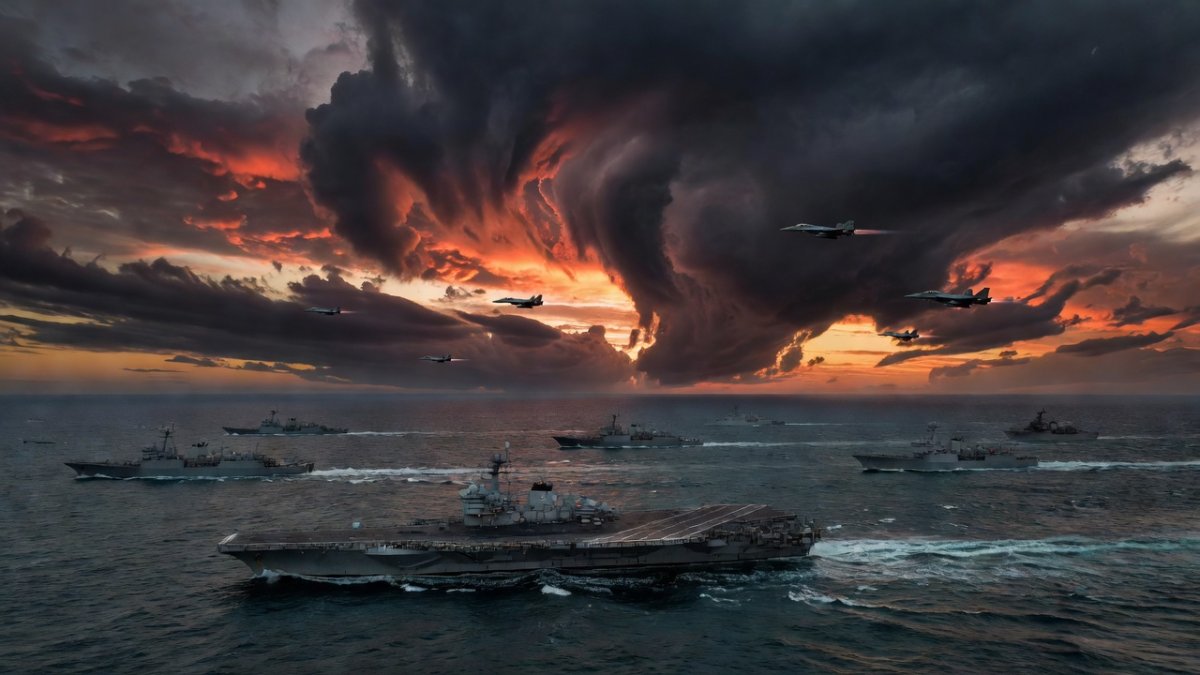
The collapse of the ceasefire on July 8 unleashed a torrent of strikes and counterstrikes that continued through July 9 and 10, marking the heaviest bombardment between the United States and Iran since the initial truce took hold months earlier. American forces targeted Iranian missile sites and naval assets in the Persian Gulf, while Iranian rockets rained down on forward operating bases and carrier groups. BBC correspondents described scenes of relentless artillery and missile fire lighting up the night sky, noting it as the second consecutive day of intense exchanges. The New York Times highlighted how this escalation surpassed any prior post-ceasefire incident in scale and ferocity. CNN analysts called it the ceasefire that never truly existed, underscoring how underlying tensions had simmered without resolution. This sudden unraveling has thrust the region back into open conflict, with global markets already reacting to fears of broader instability.
The Night the Ceasefire Died
July 8 began with Iranian forces launching a barrage of ballistic missiles at U.S. naval positions near the Strait of Hormuz, prompting immediate American retaliation with precision strikes on coastal launchers and command centers. By July 9, exchanges intensified as U.S. aircraft conducted sustained bombing runs, destroying multiple Iranian radar installations, while Iran responded with drone swarms and additional missile volleys that struck allied shipping lanes. July 10 saw the heaviest fighting yet, with both sides deploying long-range artillery and air defenses in a cycle of attack and counterattack that lasted through the night. President Trump issued a direct threat of overwhelming force if Iran did not stand down, warning of consequences that could reshape the entire Middle East. This escalation unfolded on day 133 of the broader conflict, a grim milestone that exposed the fragility of earlier diplomatic efforts. The New York Times reported this as the heaviest bombardment since the ceasefire, with satellite imagery confirming widespread destruction. BBC coverage emphasized the second consecutive day of such intensity, while CNN described the situation as the ceasefire that never was, citing repeated violations on both sides that eroded any remaining trust.
Trump’s statement came at 2:17 a.m. Eastern on July 9 from the White House Situation Room, where he declared Iran would face the full might of American power if attacks continued. Pentagon sources confirmed B-2 bombers from Diego Garcia joined F-35 sorties from the USS Gerald R. Ford, striking 14 separate sites in a single eight-hour window. Iranian state television broadcast footage of IRGC commander Brigadier General Hossein Salami vowing “the Persian Gulf will become a graveyard for American carriers.”
By midday July 10, satellite photos analyzed by the Center for Strategic and International Studies showed at least seven Iranian coastal batteries reduced to rubble and two U.S. supply ships listing after missile hits. European diplomats in Geneva reported frantic back-channel calls between Washington and Tehran, yet neither side signaled willingness to pause. The pattern of rapid escalation left little room for the kind of deconfliction hotlines that once prevented wider war.
How We Got Here: 133 Days of Fire
The conflict traces its origins to February 28, when initial clashes erupted following disputed territorial claims in the Gulf. Tensions boiled over with the assassination of Iranian Supreme Leader Ayatollah Khamenei on March 15, triggering widespread mobilization. An April 8 ceasefire attempted to halt the violence but proved short-lived amid ongoing proxy skirmishes. On June 17, the Versailles MOU offered a framework for de-escalation through economic incentives and monitoring agreements, yet compliance faltered quickly. A June 28 pause in major operations collapsed under renewed accusations of violations, setting the stage for the July 8 breakdown. Specific flashpoints included Iranian advances on June 5 near key oil terminals and U.S. reinforcements arriving on July 2. These dated milestones reveal a pattern of fragile halts followed by renewed fire, with each breakdown eroding hopes for lasting peace. The 133-day span has seen shifting alliances and escalating capabilities on both sides, turning what began as limited engagements into a sustained war of attrition.
The April 8 ceasefire, brokered in Oman, required both sides to withdraw to pre-February 28 lines and allow IAEA inspectors back into Iranian nuclear facilities within 30 days. Within two weeks, however, Houthi proxies fired rockets at a U.S. destroyer in the Red Sea, and Iranian-backed militias in Iraq struck a logistics convoy near Erbil. Those violations set the tone for every subsequent pause.
The Versailles MOU signed June 17 in a gilded hall outside Paris included $12 billion in phased sanctions relief tied to verifiable missile-cap limits and quarterly naval inspections. French President Macron and German Chancellor Scholz stood beside the signatories, yet by June 25 Iranian officials accused the U.S. of moving additional Patriot batteries into Kuwait, breaching the spirit of the deal. The rapid unraveling exposed how little trust remained after Khamenei’s death removed the one figure capable of enforcing discipline across Iran’s fragmented command structure.
The Human Toll in Hard Numbers
American casualties stand at 17 soldiers killed and 548 wounded across the campaign, with many injuries stemming from missile impacts on bases and vessels. The financial burden has reached 113.3 billion dollars in direct military expenditures and support operations. Iranian reports claim 3,482 killed and 26,500 injured among their forces and civilians, though U.S. intelligence assessments place Iranian deaths above 6,000 with roughly 15,000 wounded. Naval losses include 155 vessels destroyed in total, encompassing patrol boats, frigates, and supply ships sunk during Gulf engagements. Additionally, 190 launchers have been eliminated through targeted strikes, crippling significant portions of Iran's missile infrastructure. Human rights monitors at HRANA have documented a combined total of 3,636 deaths when including all reported civilian and combatant figures from both nations. These numbers underscore the devastating scale, with hospitals overwhelmed and supply lines strained beyond capacity in affected zones.
HRANA’s latest tally, released July 10, breaks down the 3,636 deaths into 2,114 Iranian combatants, 1,189 civilians inside Iran, and 333 U.S. and allied personnel when including contractors. Field researchers in Bandar Abbas described field hospitals treating blast injuries with dwindling morphine supplies and surgeons operating by flashlight after power grids failed.
U.S. Central Command confirmed 17 service members killed, among them seven sailors aboard the damaged destroyer USS Pinckney. The Pentagon’s $113.3 billion figure covers munitions, carrier deployments, and emergency airlifts through July 9. Iranian state media countered with claims of 6,200 total deaths on their side, a number Western analysts view as understated given the intensity of strikes on Revolutionary Guard bases near Isfahan.
The Strait of Hormuz and Your Wallet
Disruptions through the Strait of Hormuz have slashed oil shipments by over 40 percent in recent days, igniting a global fuel crisis that directly affects American consumers. Drivers now face gasoline prices climbing past 5 dollars per gallon in many states, while truckers report diesel costs forcing route changes and delivery delays. Grocery prices have surged as supply chains buckle under higher transportation expenses, with produce and meat costs rising 15 to 20 percent in major cities. Inflation connections are clear, as energy spikes feed into broader economic pressures already challenging household budgets. The blockade risks have prompted emergency releases from strategic reserves, yet analysts warn of prolonged pain if passage remains contested. Families across the heartland feel the pinch at the pump and checkout lines, turning distant conflict into immediate domestic hardship.
Goldman Sachs issued a July 10 note projecting Brent crude at $148 per barrel within two weeks if the strait stays contested, a 62 percent jump from pre-escalation levels. The bank’s energy team modeled a 1.8 million barrel daily shortfall, enough to push U.S. gasoline averages above $5.40 nationally by month’s end.
Diesel prices in the Midwest already hit $6.12 per gallon at truck stops along I-80, prompting some fleets to idle rigs and reroute loads through longer southern corridors. Grocery wholesalers in Chicago reported lettuce and poultry costs up 18 percent in three days, with cold-chain operators adding fuel surcharges that retailers quickly passed to consumers. Strategic Petroleum Reserve releases announced July 9 totaled 12 million barrels, yet analysts at the International Energy Agency warned the cushion would last only 18 days at current draw rates.
How the War Spread Across the Region
Hezbollah forces in Lebanon have intensified rocket attacks on Israeli positions, drawing in additional U.S. support and widening the front. Saudi Arabia, the UAE, and Kuwait have contributed logistical aid and air defense coordination to counter Iranian threats. Iranian strikes have hit targets in Gulf states, including oil facilities near Dubai, residential areas in Abu Dhabi, and port infrastructure in Manama. The Strait of Hormuz blockade has halted commercial traffic, stranding tankers and amplifying regional economic fallout. These developments have transformed a bilateral clash into a multi-nation confrontation with spillover effects on trade routes and security alliances.
Israeli Defense Minister Yoav Gallant confirmed Hezbollah launched 47 rockets toward northern Israel on July 9 alone, prompting U.S. F-16s from Incirlik to conduct suppression missions over southern Lebanon. Saudi Arabia quietly moved two Patriot batteries to the Kuwaiti border and allowed U.S. tankers to stage from Dhahran airbase.
Iranian missiles struck the Jebel Ali port complex outside Dubai on July 8, damaging two storage tanks and forcing a temporary shutdown of the world’s busiest container terminal. In Abu Dhabi, residential towers in the Yas Island district took indirect hits, killing at least 14 civilians according to Emirati health authorities. Bahrain’s port in Manama suffered damage to its naval repair yard, stranding three U.S. mine countermeasures ships for days.
What Happens Next
Truce prospects appear grim with no clear off-ramp visible amid mutual accusations and hardened positions. Continued escalation risks include further naval clashes or expanded aerial campaigns that could draw in additional actors. Americans should watch for signals such as any reopening of the Strait of Hormuz, fresh diplomatic overtures from neutral parties, or debates emerging in Congressional sessions over funding and strategy. Monitoring these indicators will prove essential as the situation evolves rapidly.
UN Secretary-General António Guterres warned July 10 that “this dangerous escalation threatens global peace and security” and called for an immediate Security Council session. Russian and Chinese envoys signaled they would block any resolution authorizing force, while European foreign ministers urged both sides to accept Omani mediation once more.
Congressional leaders scheduled closed briefings for July 12, with Speaker Johnson indicating supplemental funding requests could reach $45 billion. Observers will track tanker transits through the strait, any new back-channel announcements from Oman, and whether Iranian oil exports resume even modest volumes as the clearest early signs of de-escalation.
The shattered ceasefire demands immediate attention from every citizen concerned about endless conflict and its costs. Call your representatives today to demand accountability and push for diplomatic solutions over prolonged warfare. Stay informed through reliable sources and engage in community discussions to amplify voices for peace. By Jessica Ali, Global 1 News July 11, 2026
This article was produced with AI-assisted research and editorial support. Reporting is based on sources cited in the article.
What's Your Reaction?
 Like
0
Like
0
 Dislike
0
Dislike
0
 Love
0
Love
0
 Funny
0
Funny
0
 Wow
0
Wow
0
 Sad
0
Sad
0
 Angry
0
Angry
0

Editor-in-Chief at Global1.News. Atlanta-based journalist who cuts through the BS and tells it like it is. Lead anchor, host, and the voice you hear when the spin stops and the truth starts.












Comments (0)