
US-Iran Doha Technical Talks Focus on Strait and Nuclear
**Keywords:** US Iran Doha talks, Strait of Hormuz, Donald Trump Iran, interim accord, denuclearization Iran, Qatar Pakistan mediators, Kazem Gharibabadi, oil prices Hormuz, Jared Kushner Steve Witkoff, Hezbollah Lebanon deal US and Iran Engage in Indirect Doha Talks to Ease Tensions Launch of Indirect Technical Talks in Doha President Donald Trump stated Wednesday that the U.S
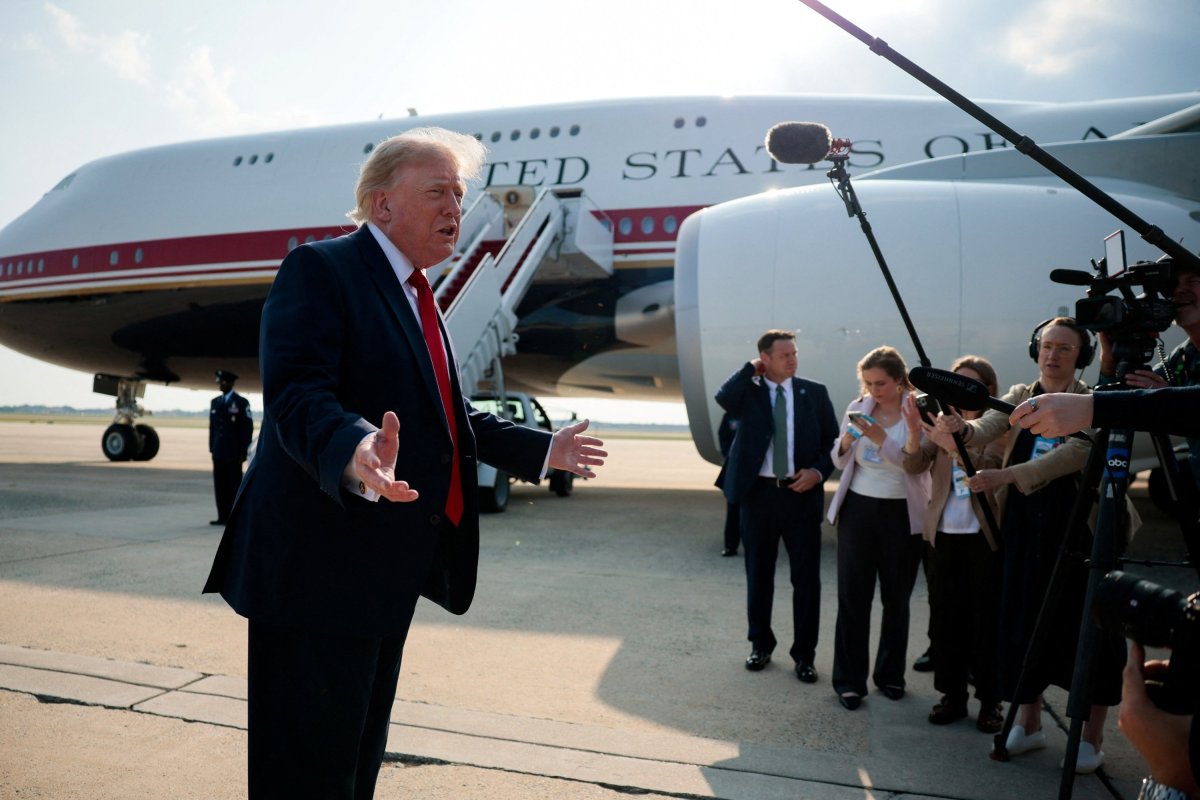
Launch of Indirect Technical Talks in Doha
President Donald Trump stated Wednesday that the U.S. and Iran were getting along very well after launching indirect talks with mediators in Doha. These discussions aim to advance negotiations and ease tensions following recent exchanges of fire. The talks began Tuesday night and continued Wednesday, structured as sessions between chief negotiators and specialists.
President Trump’s Assessment of Progress
Trump told reporters that the denuclearization of Iran is moving along well and that the parties have had very good meetings. He noted that observers would see further developments without providing additional details on the nuclear file. His comments came amid domestic pressure to contain economic fallout from the war before midterm elections in November.
Foundation in the 14-Point Interim Accord
The current talks rest on a 14-point interim accord signed last month. This agreement was intended to halt the war that began with U.S.-Israeli strikes on Iran in February, reopen the strait, and set up 60 days of negotiations for a permanent peace deal. The U.S. and Iran have since sparred publicly over the meaning of the interim pact, resulting in tit-for-tat military strikes over the past week.
Iran’s Stated Priorities and Delegation
Iran has stated publicly that its priorities include agreeing on management of the strait and the release of $6 billion in Iranian frozen assets. Iran’s Deputy Foreign Minister Kazem Gharibabadi headed a delegation that included representatives from Iran’s Foreign Ministry, central bank, and agriculture ministry. The delegation met Qatar’s prime minister and held talks with mediators. The current round of discussions focuses on those two issues.
U.S. Objectives and Mediator Involvement
The stated priority of the U.S. is to ensure the free flow of traffic through the strait. The indirect talks are mediated by Qatar and Pakistan. Trump’s son-in-law Jared Kushner and envoy Steve Witkoff met Qatar’s prime minister to lay groundwork for the talks but would not be attending the sessions themselves.
Regional Spillover and Parallel Lebanon Track
The interim deal also provides for an end to a parallel conflict between Israel and Iran-backed armed group Hezbollah in Lebanon. The U.S. has backed a separate track of talks between Israel and Lebanon’s government. This track produced a framework security deal that Hezbollah has dismissed, with analysts warning it could entrench Israel’s occupation of Lebanon’s south.
Strait of Hormuz Developments and Oil Impact
Iran is determined to win international recognition of its control over the Strait and its ability to levy fees on ships entering or leaving the Gulf, even if it has to do so by force. Traffic has partially resumed through the waterway, which handled one-fifth of global oil and liquefied natural gas trade before the war. Iran’s state media reported Wednesday that a foreign container ship had run aground in the Strait of Hormuz after entering shallow waters outside the shipping route designated by Iranian authorities. Oil prices fell around 1 percent Wednesday, with U.S. West Texas Intermediate crude reaching its lowest since Feb. 27 at $69.12 a barrel.
Domestic Pressures on Both Sides
Trump faces domestic pressure to contain the economic fallout from the war before midterm elections in November, as well as criticism from his own party that the interim deal leaves U.S. objectives unmet. In Iran, the theocratic leadership survived the war but faces domestic anger over a shattered economy. The war triggered Iranian attacks on Gulf states hosting U.S. military bases and killed thousands of people, mainly in Iran and Lebanon, while pushing up oil and fuel prices.
Outlook for Further Negotiations
The indirect talks continue with a focus on the strait and frozen assets. Little sign of progress has emerged on more complex issues, including Iran’s nuclear program. Traffic through the strait remains patchy, unpredictable, and not fully transparent according to market observers. The 60-day window for negotiations toward a permanent peace deal remains in place under the interim accord. By Malik Hassan, Staff Writer
This article was produced with AI-assisted research and editorial support. Reporting is based on sources cited in the article.
What's Your Reaction?
 Like
0
Like
0
 Dislike
0
Dislike
0
 Love
0
Love
0
 Funny
0
Funny
0
 Wow
0
Wow
0
 Sad
0
Sad
0
 Angry
0
Angry
0
Middle East Correspondent at Global1.News. Based in Beirut, covering politics, conflict, energy, and society across the Middle East. Brings context and depth to a region often reduced to headlines.













Comments (0)