
Gulf of Paria Dispute Deepens as Neighbours Seek Clarity on May Spill
Gulf of Paria Dispute Deepens as Neighbours Seek Clarity on May Spill The Incident at Heritage Petroleum Main Field The events of 1 May remain fresh in the minds of many across Trinidad and Tobago. Heritage Petroleum Company Limited detected an oil spill at its offshore Main Field in the Gulf of Paria around 7:25 a.m. The company promptly informed the Ministry of Energy and Ene
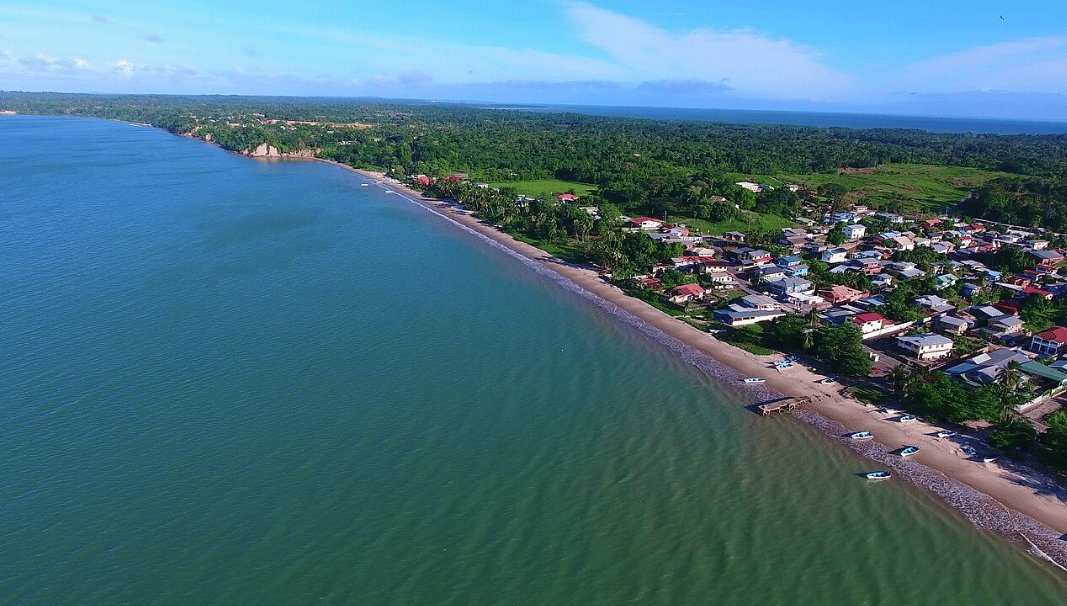
The Incident at Heritage Petroleum Main Field
The events of 1 May remain fresh in the minds of many across Trinidad and Tobago. Heritage Petroleum Company Limited detected an oil spill at its offshore Main Field in the Gulf of Paria around 7:25 a.m. The company promptly informed the Ministry of Energy and Energy Industries, the Coast Guard and the Environmental Management Authority. According to official accounts from Port of Spain, roughly 10 barrels escaped before the leak was stopped the same day and the facility returned to service on 2 May.
Trinidad and Tobago modelling showed that untreated hydrocarbons could have drifted toward the maritime border. Chemical dispersants were therefore applied some six to eight nautical miles from Venezuelan waters. Follow-up checks by drone and vessel found no visible surface oil remaining. Yet the incident stayed out of public view until Venezuela raised the matter weeks later.
Venezuela Raises Alarm Over Shared Waters
Caracas has formally sought information and compensation, citing risks to ecosystems across 1,625 square kilometres. Venezuelan authorities point to satellite imagery from as early as 28 April and warn of possible effects on 12 wetland systems, four national parks and the livelihoods of more than 500 fishermen in Sucre and Delta Amacuro states. Foreign Minister Yván Gil went public on 12 May, and Acting President Delcy Rodríguez dispatched a team of environmental specialists, biologists and naval personnel.
These concerns touch directly on the daily realities of families who depend on the Gulf of Paria for their catch. In Trinidad, fishermen have long spoken of rising costs for fuel and gear amid broader inflation pressures. Any threat to shared marine resources therefore resonates in markets from San Fernando to Point Fortin.
Trinidad and Tobago Maintains the Spill Was Minor
Port of Spain continues to describe the event as limited and quickly contained. Officials stress that domestic notification procedures were followed and that proactive dispersant use prevented cross-border movement. Energy Minister Moonilal has indicated that talks with Venezuelan counterparts are being arranged to address outstanding questions.
The energy sector remains central to Trinidad and Tobago’s economy, with Heritage Petroleum playing a key role after the restructuring that followed Petrotrin’s closure. Communities tied to Atlantic LNG and related operations watch such incidents closely, aware that reputation and reliability influence future investment and local employment.
Opposition Calls for Investigation Into Delayed Disclosure
Former Energy Minister Stuart Young and other opposition figures argue that both Heritage Petroleum and the government kept the public and Venezuela in the dark until satellite evidence forced the issue. They have demanded a formal inquiry into why information was not shared earlier, describing the silence as a serious lapse in accountability.
Such questions matter in a country where trust in public institutions often intersects with everyday concerns over the cost of living. Families already navigating higher prices for food and transport want assurance that environmental risks are handled openly and promptly.
Diplomatic Tensions and Bilateral Environmental Governance
The dispute highlights long-standing gaps in cross-border notification frameworks between Trinidad and Tobago and Venezuela. Both nations share the ecologically sensitive Gulf of Paria, yet no comprehensive pre-agreed protocol exists for rapid information exchange during incidents. Venezuela’s decision to frame its response under international environmental law has raised the profile of the matter beyond routine spill management.
Relations between the two neighbours have experienced strains in recent years, including territorial claims and differing approaches to regional cooperation through CARICOM. This latest episode adds another layer of complexity at a time when energy cooperation and environmental protection both require steady dialogue.
Looking Ahead for Energy and Regional Cooperation
While the immediate spill response appears to have limited visible surface impact, the diplomatic fallout continues. Trinidad and Tobago must now work to strengthen transparent reporting mechanisms, not only to ease tensions with Caracas but also to safeguard its standing as a responsible energy producer in the Caribbean.
Communities on both sides of the Gulf understand that oil and water do not mix easily, nor do unresolved grievances between neighbours. As discussions between the two governments move forward, the focus remains on protecting livelihoods, preserving marine environments and ensuring that future incidents are handled with greater openness from the outset.
By Sharon Sahatoo, Staff WriterThis article was produced with AI-assisted research and editorial support. Reporting is based on sources cited in the article.
What's Your Reaction?
 Like
0
Like
0
 Dislike
0
Dislike
0
 Love
0
Love
0
 Funny
0
Funny
0
 Wow
0
Wow
0
 Sad
0
Sad
0
 Angry
0
Angry
0

Caribbean Correspondent at Global1.News. Based in Port of Spain, Trinidad, covering Caribbean politics, economy, energy, climate, and culture. Amplifying the voices and stories of the Caribbean region.











Comments (0)