
US Ambassador Says 313 Wanted Criminals Transferred to Mexico Under Trump Administration
US Ambassador Says 313 Wanted Criminals Transferred to Mexico Under Trump Administration The announcement from U.S. Ambassador to Mexico Ronald Johnson on social media drew attention to ongoing cooperation between the two nations. Johnson noted that U.S. Border Patrol agents in the Rio Grande Valley had returned a Mexican national wanted in Mexico for the prostitution of a mino
US Ambassador Says 313 Wanted Criminals Transferred to Mexico Under Trump Administration
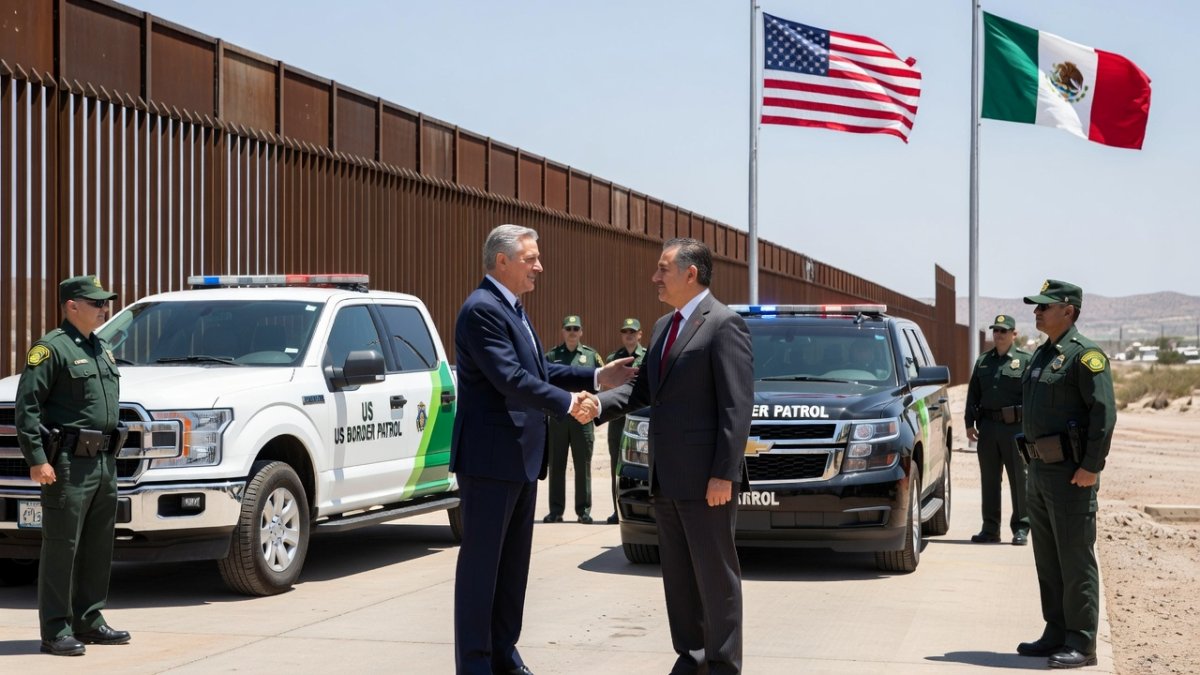
The announcement from U.S. Ambassador to Mexico Ronald Johnson on social media drew attention to ongoing cooperation between the two nations. Johnson noted that U.S. Border Patrol agents in the Rio Grande Valley had returned a Mexican national wanted in Mexico for the prostitution of a minor and sexual assault. He added that under President Donald Trump's second administration the United States has transferred 313 wanted criminals to Mexico to face justice.
This statement came roughly a month after Mexican officials raised questions about the pace of extraditions. The message emphasized joint efforts by the Trump administration and President Claudia Sheinbaum to bring criminals to justice and improve safety on both sides of the border.
Mexico's Position on Outstanding Extradition Requests
Foreign Affairs Minister Roberto Velasco stated on May 19 that 36 extradition requests submitted by Mexico to the United States between January 1, 2018 and May 13, 2026 were denied, while 233 remained pending completion. President Sheinbaum described the cases involved as extremely serious and asked why more individuals had not been handed over.
It remains unclear whether the Mexican Ministry of Foreign Affairs submitted formal extradition requests for any of the 313 individuals mentioned by Johnson. The source text provides no additional numbers or names beyond those already cited, so further operational details cannot be confirmed at this time.
Recent Transfers from Mexico to the United States
Sheinbaum noted that her government has sent over 90 organized crime figures to the United States in three large transfers that took place in January 2026, August 2025 and February 2025. These actions reflect Mexico's own efforts to support cross-border law enforcement while facing domestic pressure over high-profile cases.
Ordinary families in border colonias and rural communities often feel the effects of such movements, whether through reduced local violence or continued uncertainty when cases remain unresolved for years.
Strains in Bilateral Security Cooperation
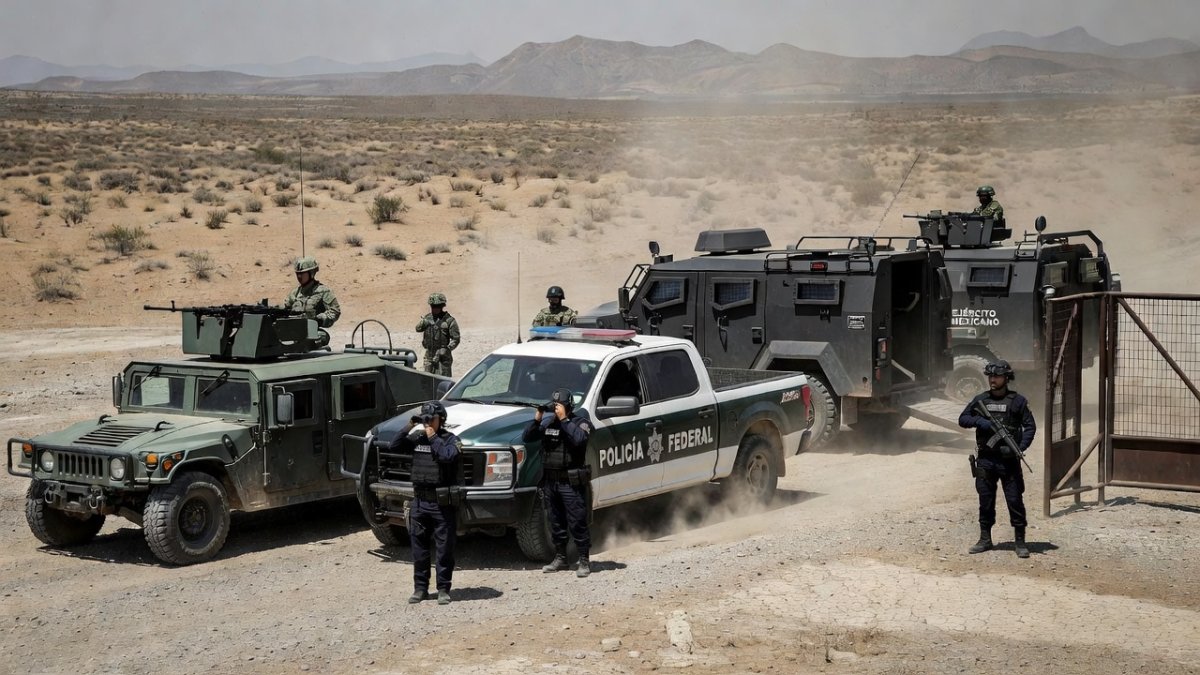
The security relationship has faced recent challenges, including the CIA's alleged participation in a drug lab raid alongside Chihuahua state police without prior authorization from Mexican authorities. U.S. prosecutors have also brought drug trafficking accusations against Sinaloa Governor Rubén Rocha Moya, an ally of Sheinbaum, and other current and former Sinaloa officials.
Mexican authorities have stated that the United States has not provided sufficient proof to warrant arrests for extradition purposes. Two former Sinaloa state ministers accused in these cases turned themselves in to U.S. authorities last month. These developments affect public trust in institutions such as the Guardia Nacional and state governments across northern Mexico.
Effects on Everyday Mexican Communities
Residents in Sinaloa and neighboring states, including farmers, small business owners, and teachers, watch these diplomatic exchanges closely. When extradition processes move slowly, families in ejidos and comunidades indígenas sometimes experience prolonged anxiety over unresolved accusations involving organized crime.
The tianguis and local taquerías in many pueblos continue daily life, yet conversations at the counter often turn to whether stronger cooperation will eventually reduce the influence of cartels in their towns. The source text does not detail specific community programs, so any broader claims about local outcomes remain limited to the information provided.
Political Context Within the Sheinbaum Administration
President Sheinbaum's government has balanced sending suspects northward while pressing for reciprocal action on Mexico's own requests. The ruling Morena party and its allies in the Congreso de la Unión have followed these developments, as have opposition voices in the Cámara de Diputados and Senado.
State governments and municipal authorities in affected regions must navigate the resulting tensions while maintaining public services for residents. The absence of additional concrete dates or figures in the source text means timelines for future transfers cannot be stated with certainty.
Looking Ahead for US-Mexico Relations
Ambassador Johnson's post framed the 313 transfers as evidence of productive partnership. At the same time, the earlier statements from Velasco and Sheinbaum underscore that many Mexican requests are still awaiting resolution. Both countries share an interest in safer communities, yet the pace of formal extraditions continues to generate discussion in Palacio Nacional and among ordinary citizens alike.
Further updates will depend on actions by the SRE, FGR, and their U.S. counterparts. For now, the available information centers on the numbers and statements already released, leaving room for continued dialogue that directly touches the lives of Mexican families from the border to the south.
By Rosa Martinez, Staff Writer
This article was produced with AI-assisted research and editorial support. Reporting is based on sources cited in the article.
What's Your Reaction?
 Like
0
Like
0
 Dislike
0
Dislike
0
 Love
0
Love
0
 Funny
0
Funny
0
 Wow
0
Wow
0
 Sad
0
Sad
0
 Angry
0
Angry
0

Latin America/Andes Correspondent at Global1.News. Based in Bogota, covering politics, environment, energy, and social movements across the Andean region. Passionate about environmental journalism and communities protecting their land.










Comments (0)