
Cape Verde's Historic World Cup Debut: 40-Year-Old Goalkeeper Vozinha Inspires Stalemate Against Spain
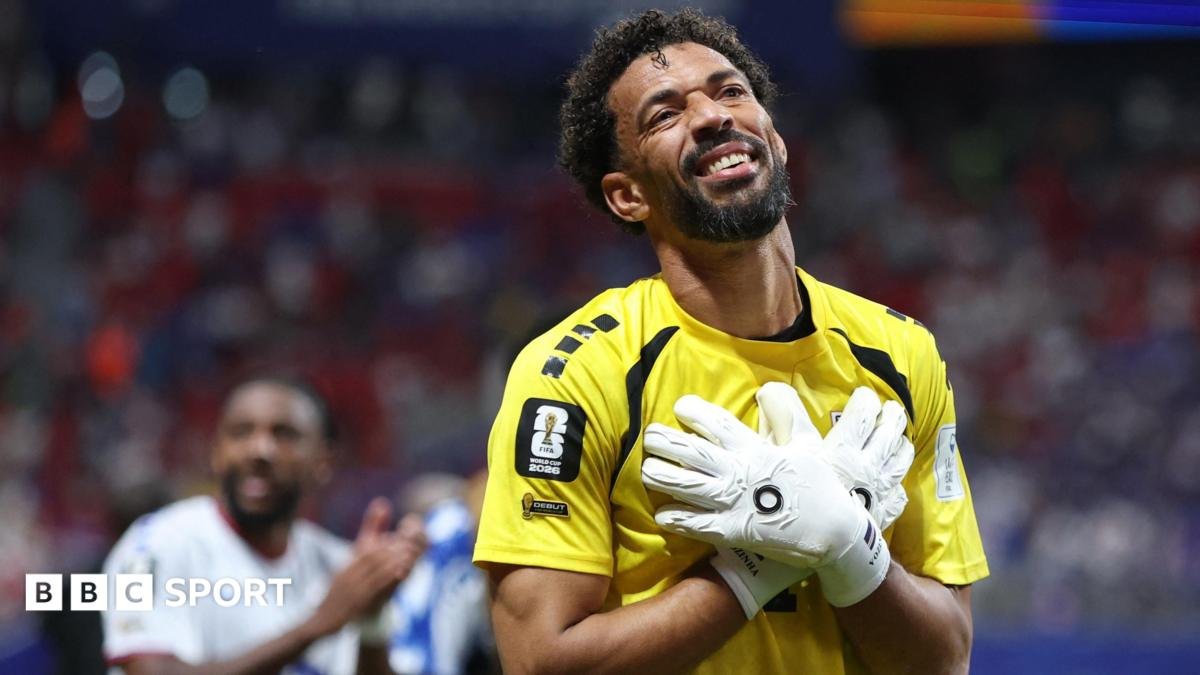
A Historic Draw That Echoed Across the Atlantic In the humid evening air of Atlanta Stadium, Cape Verde achieved something few expected when they held Spain to a 0-0 draw in their first-ever World Cup match. The result sent waves of pride through Cape Verdean communities and resonated deeply with football fans across West Africa, including here in Senegal. As the final whistle
A Historic Draw That Echoed Across the Atlantic
In the humid evening air of Atlanta Stadium, Cape Verde achieved something few expected when they held Spain to a 0-0 draw in their first-ever World Cup match. The result sent waves of pride through Cape Verdean communities and resonated deeply with football fans across West Africa, including here in Senegal. As the final whistle sounded, the focus turned to the goalkeeper whose steady hands and quiet strength had anchored the defense.
This was not merely a defensive stand against one of the tournament favorites. It represented the resilience of a small island nation whose people have long navigated distance, migration, and limited resources. For Senegalese observers like myself, the moment carried familiar echoes of our own national team's journey and the broader story of West African determination on the global stage.
Vozinha's Tears and the Weight of Family Legacy
Forty-year-old goalkeeper Vozinha, born Josimar Dias, stood in tears after being named player of the match. He spoke openly about the grandparents who raised him and shaped his life, noting that they had passed away a few years earlier and could not witness this achievement. His words struck a chord in households across the region, where extended family often forms the backbone of support for young athletes.
Vozinha became the oldest player to appear in a nation's debut World Cup match at 40 years and 12 days. He reflected on beginning his professional career late, at age 25 in 2012, and considered stepping away from the national team before deciding to pursue the dream. Those personal reflections highlight the patience and persistence that many African families instill in their children, even when opportunities arrive later than expected.
Early Struggles on the Island of Mindelo
Growing up in Mindelo, Cape Verde, Vozinha faced repeated setbacks tied to his height despite strong performances. He described being overlooked for selections because of his smaller stature, a challenge familiar to many young players in West Africa where physical ideals sometimes overshadow skill and heart. Yet he persisted, eventually leaving for Portugal and building a career that took him through Slovakia, Angola, Moldova, and Cyprus before settling with Portuguese second-tier side Chaves.
During the match against Spain, Vozinha made seven saves while facing relentless pressure. The only goalkeeper over 40 to record more saves in a World Cup match was Pat Jennings with ten for Northern Ireland against Brazil in 1986. His performance underscored how experience and composure can outweigh youth when the stakes are highest.
Shared Threads with Senegalese and West African Football Culture
Cape Verde lies nearly 600 kilometers off the west coast of Africa, placing its story close to Senegal both geographically and culturally. In Dakar and Thiès, families gather around screens to watch matches with the same intensity that Cape Verdean supporters showed in Atlanta. The emphasis on unity that Vozinha highlighted after the game mirrors the communal spirit that defines Senegalese football, where neighborhood teams and village tournaments serve as training grounds for national pride.
Many Senegalese players have also navigated diaspora paths through Europe and beyond, balancing professional demands with deep ties to home. The obstacles Vozinha overcame, from late starts to physical doubts, reflect the broader realities faced by athletes from smaller West African nations who must often travel far and wait long for recognition. These journeys strengthen family bonds and reinforce the value of collective support over individual glory.
Unity as the Strongest Weapon on the World Stage
Vozinha captured the team's mindset when he stated that their best weapon is unity. Observers had assumed Cape Verde arrived simply to enjoy the World Cup experience, yet the players came prepared to compete and fight for their country. That mindset produced a result that will be remembered long after the tournament ends.
The stands erupted with thousands of Cape Verde supporters celebrating together, a scene that evoked similar outpourings of joy seen in Senegal during major tournament moments. Such displays remind us that football remains one of the most powerful expressions of identity for nations whose populations are spread across continents through migration.
Viral Recognition and the Growing Voice of Smaller Nations
After the match, Vozinha's Instagram following surged from 50,000 to more than five million following encouragement from Brazilian broadcaster CazeTV. The rapid rise illustrated how social media can amplify stories from underrepresented football nations almost overnight. For communities in Senegal and across West Africa, these moments offer inspiration that success is possible even when resources and attention are limited.
Cape Verde's achievement carries particular weight for other smaller African countries aspiring to World Cup qualification. It demonstrates that disciplined organization, experienced leadership, and unwavering unity can produce results against established powers. The story encourages investment in youth development and national team programs that value perseverance as much as raw talent.
Through Vozinha's journey and Cape Verde's historic draw, we see reflections of our own Senegalese values: honoring elders, supporting one another across distances, and believing that late blooms can still light up the world stage. This result belongs not only to Cape Verde but to every West African heart that understands the long road from island pitches to global arenas.
By Amara Diop, Staff WriterThis article was produced with AI-assisted research and editorial support. Reporting is based on sources cited in the article.
What's Your Reaction?
 Like
0
Like
0
 Dislike
0
Dislike
0
 Love
0
Love
0
 Funny
0
Funny
0
 Wow
0
Wow
0
 Sad
0
Sad
0
 Angry
0
Angry
0
Canada Correspondent at Global1.News. Based in Toronto, covering Canadian politics, energy, trade, and US-Canada relations. Provides the Canadian perspective on North American and global affairs.











Comments (0)