
UK Palestine Action Ban Exposes Terrorism Discourse Limits
In a recent Middle East Eye report, researcher Dr Amina Shareef examines how the United Kingdom's decision to proscribe Palestine Action as a terrorist organisation exposes the selective and racialised foundations of terrorism discourse. The discussion highlights contradictions in how states define violence and dissent, particularly when actions target institutions linked to Is
In a recent Middle East Eye report, researcher Dr Amina Shareef examines how the United Kingdom's decision to proscribe Palestine Action as a terrorist organisation exposes the selective and racialised foundations of terrorism discourse. The discussion highlights contradictions in how states define violence and dissent, particularly when actions target institutions linked to Israel's occupation of Palestinian land.
UK Palestine Action Ban Exposes Terrorism Discourse Limits
London, United Kingdom - July 2026 -
The Path to Proscription and Court Rulings
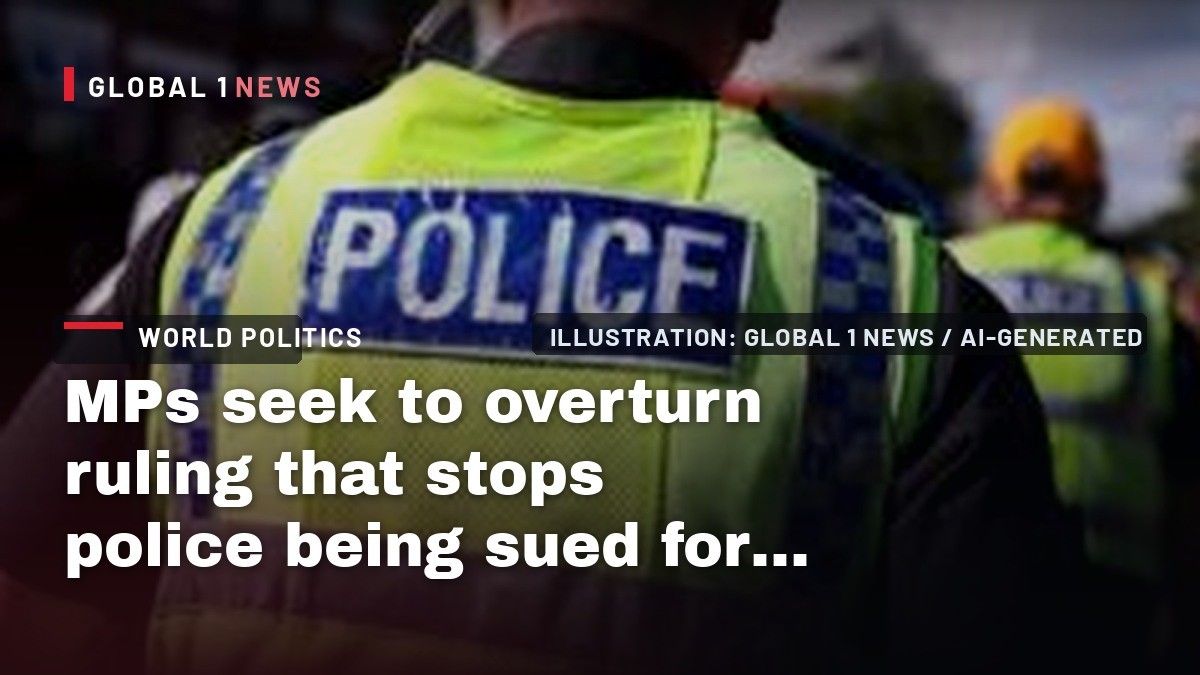
Palestine Action was proscribed as a terrorist organisation on July 5, 2025, by then-Home Secretary Yvette Cooper under the Terrorism Act 2000. The move criminalised membership, support, or expressions of solidarity with the group. In February 2026 the High Court ruled the proscription unlawful, determining that the Home Secretary had not followed her own published policy on such designations. The judgment described the case as novel and unprecedented.
On June 15, 2026, a five-judge panel of the Court of Appeal, including the two most senior judges in England and Wales, overturned the High Court decision and upheld the ban as lawful. The ruling restored the full force of the Terrorism Act restrictions, triggering further arrests for alleged support of the organisation.
Scale of Arrests and Demographic Profile
More than 2,700 people have been arrested since the ban for allegedly expressing support for Palestine Action, with an estimated 700 charged under the Terrorism Act. Official figures show the average age of those detained is 59. Many are pensioners, teachers, clergy members, and long-standing community activists with no prior criminal records.
These arrests have taken place at protests, vigils, and even private gatherings where individuals displayed Palestine Action materials or voiced approval of its campaigns. The demographic data challenges conventional assumptions about who engages in political direct action and who faces terrorism-related charges.
Palestine Action Methods and Targets
Palestine Action focuses on companies and institutions that profit from Israel's occupation of the West Bank and Gaza. Its actions consist of non-violent direct interventions such as blockades, occupations of offices, and disruption of supply chains. The group has not been linked to any attacks on individuals or use of weapons.
By targeting economic actors rather than civilians, Palestine Action positions its work within a tradition of civil disobedience against systems of dispossession. Critics of the proscription argue that equating such tactics with terrorism stretches the legal definition beyond recognition and serves to shield corporate complicity in occupation policies.

Human Rights Concerns and International Reactions
Amnesty International described the proscription as another step in the ongoing crackdown on the right to protest in the United Kingdom. The organisation noted that the measure risks criminalising legitimate solidarity with Palestinians facing military occupation, settlement expansion, and movement restrictions.
Palestinian civil society groups have pointed out that the ban coincides with intensified Israeli operations in the West Bank and continued blockade conditions in Gaza. They argue that restricting domestic protest in Britain further isolates communities already marginalised by displacement and loss of land.
Racial Assumptions Within Terrorism Discourse
Dr Shareef contends that terrorism discourse operates similarly to scientific racism by classifying populations, assigning different levels of humanity, and justifying state violence against certain groups. The Palestine Action case illustrates how non-violent resistance linked to Palestinian solidarity is framed as existential threat while comparable actions by other actors receive different treatment.
This framing has tangible effects on daily life for Palestinian communities in the diaspora and for British citizens who advocate for Palestinian rights. Families report increased surveillance, workplace repercussions, and self-censorship among younger generations wary of terrorism charges for expressing political views.
Consequences for Solidarity Movements
The legal developments have chilled public expressions of support for Palestinian causes across universities, trade unions, and faith communities. Activists describe a climate in which historical parallels to anti-apartheid campaigns are now legally risky to invoke. The average age of those arrested underscores that the measures affect people who have spent decades engaging in civic life rather than fringe elements.
Legal observers note that the Court of Appeal's reversal may set precedent for future designations, lowering the threshold for what constitutes terrorism when political motivations involve foreign policy criticism. This shift carries implications for how Britain manages dissent connected to Middle East conflicts.
By Fatima Al-Rashid, Staff WriterThis article was produced with AI-assisted research and editorial support. Reporting is based on sources cited in the article.
What's Your Reaction?
 Like
0
Like
0
 Dislike
0
Dislike
0
 Love
0
Love
0
 Funny
0
Funny
0
 Wow
0
Wow
0
 Sad
0
Sad
0
 Angry
0
Angry
0

Gulf/MENA Correspondent at Global1.News. Based in Doha, covering Gulf politics, energy markets, diplomacy, and development across the Middle East and North Africa. Tracks the economic transformation of the Gulf states.












Comments (0)