
US-Iran War Drags On After Failed June 2026 Deal
US-Iran War Drags On After Failed June 2026 Deal In the Middle East, where Sunni-Shia competition, Gulf energy routes and great-power rivalries converge, the US-Iran war shows no sign of ending despite the June 2026 memorandum of understanding. Pakistan brokered the 14-point framework with help from Türkiye, Qatar, Saudi Arabia and Egypt, yet both sides have resumed strikes. The result is a prolonged confrontation whose costs and political stakes keep rising.
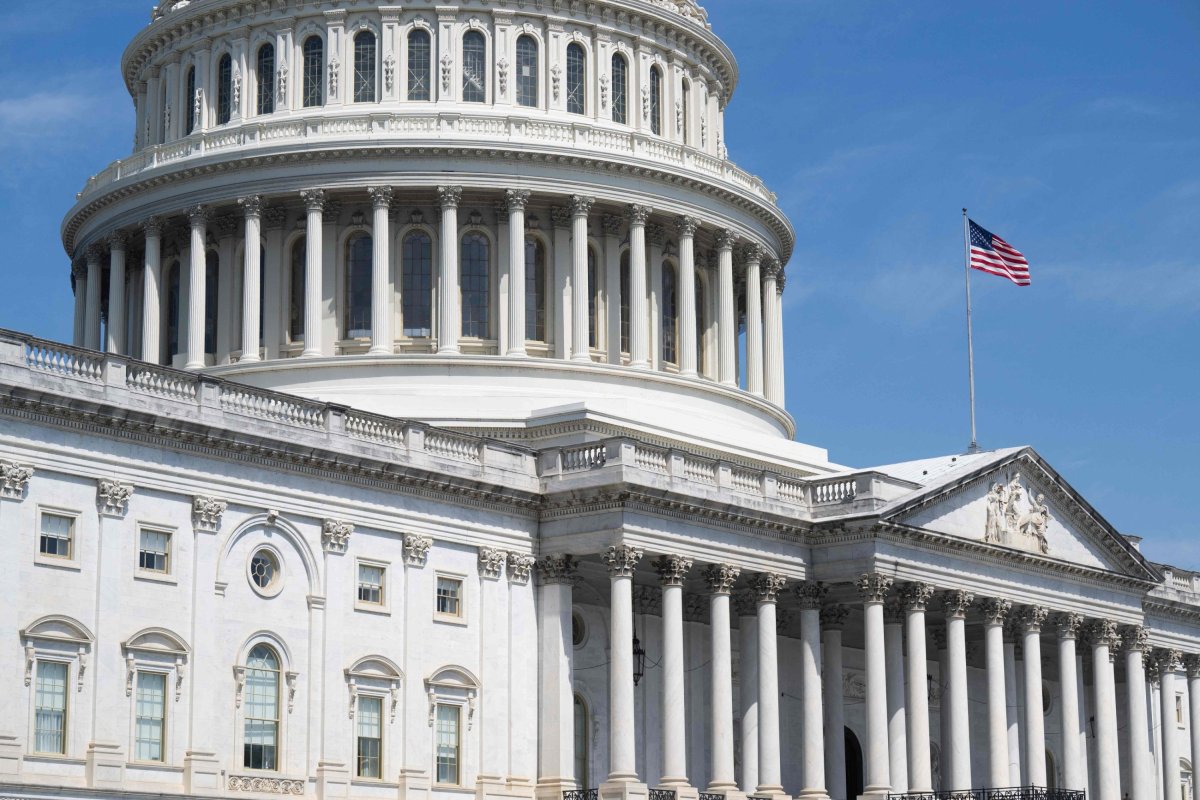
Why the US-Iran Ceasefire Collapsed: Analyzing the June 2026 MOU Failure
Beirut, Lebanon — July 22, 2026 — The June 2026 memorandum of understanding between the United States and Iran aimed to halt military strikes, reopen the Strait of Hormuz, lift the US naval blockade and extend the ceasefire for two months. Under its terms, Washington would lift embargoes, release frozen assets and provide roughly $300 billion for Iranian recovery while allowing Tehran to resume crude exports. Major issues such as Iran’s nuclear program, uranium enrichment, ballistic missiles and regional proxies remained untouched.
The June MOU and Its Limitations
The 14-point framework left core disputes unresolved. Iran’s nuclear ambitions and missile arsenal received no coverage, nor did the status of its proxy networks. This narrow scope allowed both sides to interpret the pause as temporary. Once the two-month extension expired, ambiguity over these excluded topics quickly eroded compliance.The 40-day war that began on February 28, 2026, had already demonstrated the limits of conventional superiority when Pakistan brokered the April 8 ceasefire. That earlier pause allowed Tehran to regroup Revolutionary Guard units while Washington replenished munitions stocks depleted by initial strikes. By the time the June MOU was signed, both sides viewed the two-month extension less as a pathway to settlement and more as a breathing space to prepare for renewed attrition.
Supreme Leader Khamenei and the Iranian leadership calculated that surviving the first phase without major territorial losses strengthened their hand at the negotiating table. Meanwhile, the exclusion of nuclear and proxy issues from the 14-point framework meant that enrichment levels at Natanz and Fordow continued to rise, and IRGC-Quds Force supply lines to proxies in Iraq and Yemen remained intact. This deliberate narrowness ensured the MOU could collapse without either party admitting outright violation.
Trump’s Inconsistency and Midterm Politics
President Donald Trump’s shifting statements have compounded the impasse. He has praised Iranian leaders one day and condemned them the next, alternating between offers to end the war and declarations that it is not America’s conflict. With US midterm elections scheduled for November, Trump faces pressure to demonstrate strength. Public sentiment favoring “Make America Great Again” has turned against what critics label “Make Israel Great Again,” pushing the administration toward continued confrontation to shore up domestic support.Defense Secretary Pete Hegseth’s testimony that costs had reached $37.5 billion, with a $67 billion supplemental request pending, underscored the domestic bind facing President Trump. Midterm voters who once cheered “America First” rhetoric now question why American sailors patrol the Strait of Hormuz while domestic infrastructure bills languish. Trump’s Oval Office statement refusing talks until Iran is “ready to meet in a meaningful way” was calibrated to project resolve without locking the administration into an open-ended commitment.
Yet the same inconsistency that frustrates diplomats also serves as leverage. By alternating praise for Iranian leaders with threats near uranium-enrichment sites, Trump keeps Tehran uncertain about red lines, buying time until November. Pakistani Prime Minister Shehbaz Sharif and army chief Field Marshal Asim Munir have privately warned that this oscillation risks turning a manageable confrontation into a wider regional conflagration.
The Israeli Factor
Israel continues to favor sustained military pressure over any cold peace. Israeli influence over US domestic politics remains a decisive element, enabling Tel Aviv to shape Washington’s approach. Israeli officials have prioritized kinetic outcomes, reinforcing the US role as the primary actor sustaining the campaign that Israel originally initiated.Prime Minister Netanyahu continues to press for strikes that degrade Iranian capabilities without triggering a full ground campaign. Israeli intelligence assessments shared with Washington emphasize that sustained pressure on the Strait of Hormuz raises Tehran’s domestic political costs faster than any negotiated freeze could achieve. This preference for kinetic outcomes explains why Tel Aviv has resisted any clause in the MOU that would constrain its freedom to target IRGC assets in Syria or Lebanon.
The result is a feedback loop in which Israeli targeting priorities shape U.S. operational tempo. CENTCOM’s 11 consecutive nights of strikes on Iranian drone facilities and maritime assets reflect this alignment more than any independent American strategic calculus. As long as Netanyahu retains influence over congressional appropriations and media narratives, Washington’s room to pursue an independent exit remains constrained.
Iran’s Resilience and Strategy
Iranian state and societal endurance has raised the cost of prolonged fighting for the United States. As the conflict lengthens, Washington’s vulnerabilities grow while Tehran’s leadership faces internal questioning. Iranian forces have maintained strikes on Gulf targets, demonstrating that extended attrition does not automatically favor the stronger conventional power.Iranian society’s capacity to absorb economic pain has surprised U.S. planners. Despite the naval blockade and loss of oil revenues, the regime has maintained fuel subsidies and security-force salaries by drawing on parallel import networks through Iraq and Turkey. President Erdogan’s quiet facilitation of these corridors has allowed Ankara to position itself as an indispensable mediator while extracting economic concessions from both sides.
At the same time, internal questioning of the leadership has begun to surface in provincial cities where inflation exceeds 60 percent. Khamenei’s circle therefore views continued resistance as essential to regime cohesion; any perception of capitulation could accelerate elite defections. This dynamic makes Tehran reluctant to accept limits on its ballistic-missile program or proxy relationships even when offered substantial financial relief.
The Strait of Hormuz and Energy Markets
Control of the Strait of Hormuz has become the central theater. CENTCOM has conducted 11 consecutive nights of strikes on Iranian military operations centers, maritime assets and drone facilities. Iran’s Revolutionary Guards have attacked more than 30 commercial vessels in the waterway over three months, including a recent tanker incident. Brent crude has risen to $92 per barrel, underscoring the global energy stakes.The waterway’s centrality has turned the conflict into a global energy-security crisis. With Brent crude at $92 per barrel and more than 30 commercial vessels attacked in three months, Gulf states accelerating diversification away from hydrocarbons now face steeper capital costs. Saudi Arabia and Qatar, already trimming OPEC+ output quotas to manage prices, privately urge de-escalation to protect their sovereign-wealth-fund investments abroad.
CENTCOM’s focus on degrading Iranian drone storage and maritime logistics reflects the recognition that even limited interdiction raises insurance premiums and rerouting expenses worldwide. Yet Iran’s Revolutionary Guards have demonstrated that asymmetric attacks on tankers can be sustained at relatively low cost, giving Tehran asymmetric leverage despite its conventional inferiority.
Regional Dynamics and Great Power Interests
Gulf states including Saudi Arabia and Qatar have suffered the heaviest economic losses and oppose further escalation. Türkiye, under President Recep Tayyip Erdogan, and Pakistan’s Prime Minister Shehbaz Sharif have intensified diplomacy, with Interior Minister Eskander Momeni and Field Marshal Asim Munir engaging Tehran directly. Russia and China watch warily; their positions could shift if the conflict drags on. European powers such as Germany, France and the United Kingdom also resist renewed US unilateral action because of the costs they already bear.Russia and China have so far refrained from direct involvement, but both are positioning themselves to exploit prolonged instability. Moscow has offered Tehran discounted weapons systems in exchange for energy cooperation, while Beijing has quietly increased purchases of discounted Iranian crude through intermediaries. Should the war extend into 2027, these powers could shift from observers to active suppliers, fundamentally altering the balance of leverage.
European capitals, already absorbing refugee flows and higher energy prices, have coordinated with Türkiye and Pakistan to revive back-channel talks. German and French diplomats emphasize that a durable settlement must eventually address enrichment levels and missile ranges, yet they also recognize that excluding these issues was the only way to secure the original June framework. Their reluctance to endorse renewed U.S. unilateralism stems from the recognition that further escalation would lock in higher defense budgets for years.
Why Peace Remains Elusive
No party has achieved decisive victory. The United States now treats the war as its own despite Israel having started it. As long as Israeli preferences continue to shape US decision-making, the incentive structure favors continuation over settlement. The absence of a comprehensive framework addressing nuclear, missile and proxy issues leaves both sides preparing for extended confrontation rather than durable agreement.No side has secured a decisive battlefield advantage that would allow it to dictate terms. The United States, having assumed operational leadership from Israel, now bears the fiscal and political burden of sustaining pressure. Israeli officials, for their part, continue to frame any pause as temporary, preserving the option of future pre-emption. Iranian leaders, facing both external sanctions and domestic discontent, calculate that endurance itself constitutes a form of victory.
The absence of a comprehensive framework covering nuclear, missile, and proxy issues means that every tactical pause is treated as preparation for the next round rather than a step toward settlement. Without a mechanism to verify compliance on these core disputes, the incentive structure favors continued low-level confrontation over risky concessions.
Regional Implications
The stalemate threatens further disruption to global energy supplies and risks drawing in additional actors. Gulf economies already strained by diversification efforts face renewed instability, while Sunni-Shia tensions and proxy rivalries gain fresh momentum. Without a broader accord that includes nuclear and missile constraints, the current cycle of strikes and counter-strikes is likely to persist, reshaping alliances and raising the threshold for any future de-escalation.Gulf economies already struggling with post-pandemic diversification now confront renewed capital flight and higher borrowing costs. Sunni-Shia proxy rivalries in Iraq, Syria, and Yemen have intensified as each side seeks battlefield advantage through local allies. The longer the standoff persists, the greater the risk that additional actors—whether Houthis expanding Red Sea operations or Kurdish groups exploiting Iranian distraction—will insert themselves into the conflict.
Great-power competition adds another layer of complexity. Should Russia or China decide that sustained support for Tehran yields strategic dividends, Washington could face a de facto coalition opposing its regional objectives. This prospect makes European and Pakistani mediators especially eager to restore a broader diplomatic track before the current cycle of strikes hardens into a new regional norm.
By Malik Hassan, Staff WriterThis article was produced with AI-assisted research and editorial support. Reporting is based on sources cited in the article.
What's Your Reaction?
 Like
0
Like
0
 Dislike
0
Dislike
0
 Love
0
Love
0
 Funny
0
Funny
0
 Wow
0
Wow
0
 Sad
0
Sad
0
 Angry
0
Angry
0
Middle East Correspondent at Global1.News. Based in Beirut, covering politics, conflict, energy, and society across the Middle East. Brings context and depth to a region often reduced to headlines.










Comments (0)