
Twins Marry Twins in Joyous Nigerian Joint Wedding
A Joyous Union in the Heart of Ibadan When guests gathered at a church in the south-west Nigerian city of Ibadan at the weekend, they knew they were witnessing something rare. A pair of twin brothers named Taiwo and Kehinde Oguntoye were marrying twin sisters Taiwo and Kehinde Adediran in a joyous joint ceremony. The atmosphere was filled with laughter, music, and the kind of w
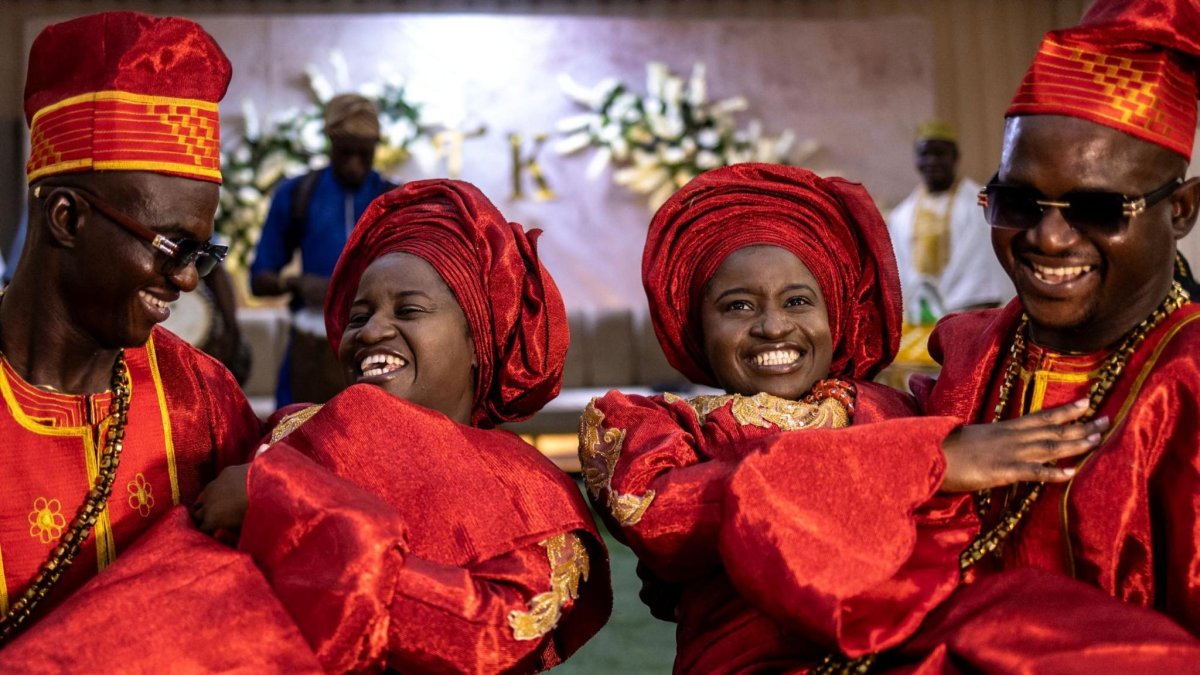
A Joyous Union in the Heart of Ibadan
When guests gathered at a church in the south-west Nigerian city of Ibadan at the weekend, they knew they were witnessing something rare. A pair of twin brothers named Taiwo and Kehinde Oguntoye were marrying twin sisters Taiwo and Kehinde Adediran in a joyous joint ceremony. The atmosphere was filled with laughter, music, and the kind of warmth that only comes from families coming together in celebration. This event highlighted the deep connections that bind communities across West Africa, where shared moments like these strengthen bonds that last generations.
(Source: BBC News)
The Yoruba people are known for having an unusually high number of twin births, and this wedding felt like a beautiful expression of that heritage. Relatives arrived in coordinated attire, their faces glowing with pride as they watched the couples exchange vows. The day unfolded with traditional elements that honored both the couples and their ancestors, creating memories that will be retold for years to come.
As a Senegalese journalist, I see in this story echoes of the family-centered values that shape daily life from Dakar to Lagos. Weddings are never just about two people. They weave entire lineages into one fabric, reminding us that love thrives when rooted in community support and cultural pride.
The Sacred Names and Blessings of Twins in Yoruba Culture
Twins are considered a blessing in Yoruba culture and their names are predestined. The older child is called Taiwo, meaning the one that tests the world, while the younger is called Kehinde, meaning the one that came after. The brothers are fraternal twins, while the sisters are identical twins. These names carry stories of arrival and purpose, passed down through generations as reminders of life's special gifts.
In many West African societies, including those in Senegal, twins hold a similar place of honor. Families often view their arrival as a sign of abundance and spiritual favor. Elders share tales around evening fires about how twins bring extra joy and responsibility, teaching children early about unity and distinction within closeness. This shared reverence across borders shows how African traditions celebrate difference while honoring connection.
The Oguntoye brothers and Adediran sisters embody this blessing in their very identities. Their matching names add a layer of symmetry that feels almost poetic, as if destiny itself arranged the pairings. Such stories reinforce the idea that family names and roles are not random but part of a larger, meaningful pattern.
A Love Story Rooted in University Days
The love story began a decade ago, when all four were studying at the University of Ibadan. A lecturer told the brothers that she knew a set of twin sisters they should meet. The Adedirans initially resisted but eventually a meeting was set up. They became friends, sharing conversations that laid the foundation for something deeper over time.
Life took them in different directions. The sisters moved abroad for further studies, while the brothers travelled and worked in several countries. Years passed before the brothers reached out again. Over time, their connections became undeniable, proving that true bonds can withstand distance and change. This patience mirrors the steady rhythms of African family life, where relationships mature like crops tended with care.

(Source: BBC News)
The couples' families were thrilled when the time came for commitment. Proud relatives showed up in style to the wedding, where the couples co-ordinated their outfits. Several other pairs of twins were in attendance, adding to the sense of shared celebration. Known as the Oguntoye Twins, the brothers are active in culture and tourism initiatives, bringing their heritage forward in meaningful ways.
Twins Across West Africa: Shared Traditions of Blessing and Family
Stories like this one invite reflection on twin traditions that stretch across West Africa. In Senegal, as in Nigeria, twins often receive special attention from birth, with communities marking their presence through songs, gifts, and protective rituals. These practices emphasize harmony within the family unit and teach respect for the unique paths each person walks, even when born together.
Marriage customs in the region further highlight collective joy. Joint ceremonies, like the one in Ibadan, allow extended families to participate fully, strengthening ties that support daily life from markets to homesteads. The emphasis on prayer and future generations echoes values held dear from the Sahel to the coast, where children represent continuity and hope.
Our wives look so alike that even their family members sometimes confuse them, Kehinde Oguntoye shared. We do not mix them up, we know our own wives very well. This gentle humor reveals the deep familiarity that grows within close-knit families, a quality nurtured across many African cultures through shared meals, stories, and responsibilities.
Families United in Celebration and Style
The wedding day itself radiated happiness as the two couples stood side by side. Coordinated outfits reflected both modern elegance and traditional respect, blending colors and patterns that spoke to Yoruba aesthetics. Guests included multiple sets of twins, creating a visual reminder of the cultural richness surrounding such unions.
Although they are very close, the married couples will live apart for now. This practical step honors individual growth while keeping family links strong. In West African daily life, such arrangements allow couples to build their homes gradually, drawing on the support of relatives nearby.
The presence of the Oguntoye Twins in cultural and tourism work adds another layer of meaning. Their efforts help preserve stories and practices that connect younger generations to their roots, ensuring that events like this wedding continue to inspire pride and belonging.
Looking Ahead with Hope and Prayer
We know many twins, but this marriage feels like it was arranged by God, Taiwo Oguntoye told BBC Yoruba. We have always dreamed of marrying twins. With God's grace, we pray for twins in our first and second children. These words capture the hopeful spirit that runs through African family aspirations, where blessings are welcomed with open hearts and forward-looking faith.
The couples' journey from university friends to life partners demonstrates resilience and timing. Distance tested their bonds, yet reconnection brought clarity. Such narratives encourage others to trust the unfolding of relationships within the supportive embrace of culture and kin.
As celebrations continue, the focus remains on building lives filled with love, respect, and the continuation of cherished traditions. This joint wedding stands as a joyful milestone that honors both personal happiness and collective heritage.
The Enduring Power of African Love and Heritage
In reflecting on this rare and beautiful event, one sees the threads that link communities from Senegal to Nigeria. Twins, marriage, and family remain central to how West Africans define belonging and continuity. The Ibadan ceremony reminds us that joy multiplies when shared, and that cultural practices provide steady ground for new beginnings.
May such stories continue to spread warmth and connection across the region, celebrating the blessings that arrive in pairs and the families that nurture them with care. The future holds promise for these couples as they step forward together, rooted in the values that have sustained African societies for generations.
By Amara Diop, Staff Writer
This article was produced with AI-assisted research and editorial support. Reporting is based on sources cited in the article.
What's Your Reaction?
 Like
0
Like
0
 Dislike
0
Dislike
0
 Love
0
Love
0
 Funny
0
Funny
0
 Wow
0
Wow
0
 Sad
0
Sad
0
 Angry
0
Angry
0

West Africa/Sahel Correspondent at Global1.News. Dakar-based journalist covering politics, security, climate, and development across Francophone and Anglophone West Africa. Tells the stories of a region undergoing profound transformation.













Comments (0)