
Health Insurance Claims in India Surge 30% in Three Years
The 30% Surge: What the Numbers Reveal Health insurance claims in India recorded a 30% surge over three years from 2022 to 2025, according to the IRDAI Annual Report 2025-26. Total health payouts climbed to ₹94,248 crore in FY25 from ₹83,493 crore in FY24. The number of claims rose 21.18% in FY25, yet settlement amounts increased only 12.88%, indicating a mismatch between volum
The 30% Surge: What the Numbers Reveal
Health insurance claims in India recorded a 30% surge over three years from 2022 to 2025, according to the IRDAI Annual Report 2025-26. Total health payouts climbed to ₹94,248 crore in FY25 from ₹83,493 crore in FY24. The number of claims rose 21.18% in FY25, yet settlement amounts increased only 12.88%, indicating a mismatch between volume and value. Average claim amounts grew 30% across the period, while the average payout per claim actually declined to ₹28,910 from ₹31,086. This pattern shows insurers processing more claims but paying smaller individual sums amid rising hospital rates. Cashless treatments now dominate claim payments, reflecting policyholder preference for seamless hospital experiences. Policybazaar alone processes 15,000-20,000 claims annually, providing a microcosm of national trends. For Indian policyholders, these figures translate into longer processing queues and potential out-of-pocket gaps. Taxpayers indirectly bear costs through public schemes that overlap with private coverage. The data signals pressure on the ₹1.17 lakh crore premium market, where growth in claims outpaces premium collection efficiency. Districts in Uttar Pradesh, Bihar and Odisha continue to show lower penetration, limiting the surge’s geographic spread. Overall, the 30% rise underscores both expanding awareness and systemic strain on India’s health insurance framework.
Heart Disease and Chronic Conditions: The Claim Drivers
Heart diseases account for 25-30% of term insurance claims, emerging as the single largest driver behind the recent surge. Rising costs of stents, oncology drugs and ICU beds directly fuel this trend, pushing average claim sizes higher even as per-claim payouts fell. Chronic conditions require repeated hospitalisation, amplifying the 21.18% increase in claim numbers recorded in FY25. Indian patients in urban centres face frequent cardiac interventions, while rural populations often delay diagnosis until emergencies arise. The 30% growth in average claim amounts over three years largely stems from these high-cost procedures. Policyholders with pre-existing heart conditions encounter stricter underwriting, narrowing effective coverage. For taxpayers funding Ayushman Bharat, overlapping claims with private policies create duplication risks. Lower insurance penetration in Uttar Pradesh, Bihar and Odisha means many heart patients there rely on out-of-pocket spending or government schemes alone. Cashless treatment dominance helps urban cardiac patients but remains limited in tier-2 cities. The IRDAI data reveals that while settlement ratios improved, the concentration of claims in cardiovascular and oncology segments threatens long-term sustainability. Indian families must now factor cardiac risk into policy selection earlier, as these conditions drive both volume and cost pressures across the 58 crore lives currently covered.
Medical Inflation: Why Hospital Costs Outpace Coverage
Medical inflation in India stands at 14% annually, twice the general inflation rate, eroding the real value of health insurance benefits. Average outpatient visit costs range between ₹1,500 and ₹2,000, yet many policies still exclude or cap OPD coverage. This gap forces policyholders to pay upfront for consultations before claiming hospitalisation benefits. Rising prices of stents, oncology drugs and ICU beds have pushed average claim amounts up 30% in three years, even as the average payout per claim dropped to ₹28,910. Cashless treatments dominate payments, but hospitals often charge beyond policy limits, leaving patients with balances. For Indian middle-class families, this inflation means higher premiums without proportional benefit increases. Taxpayers subsidising public hospitals witness similar cost escalations that strain state budgets. Districts in Uttar Pradesh, Bihar and Odisha experience acute effects due to sparse empanelled facilities, compelling travel to metros for treatment. The ₹1.17 lakh crore premium market absorbs some pressure through higher renewals, yet 58 crore covered lives still face erosion of purchasing power. Policybazaar data shows claims increasingly tied to inflation-linked procedures rather than routine care. Without indexation mechanisms, Indian policyholders risk underinsurance despite record claim settlement ratios.
IRDAI Oversight: Settlement Ratios and Consumer Protection
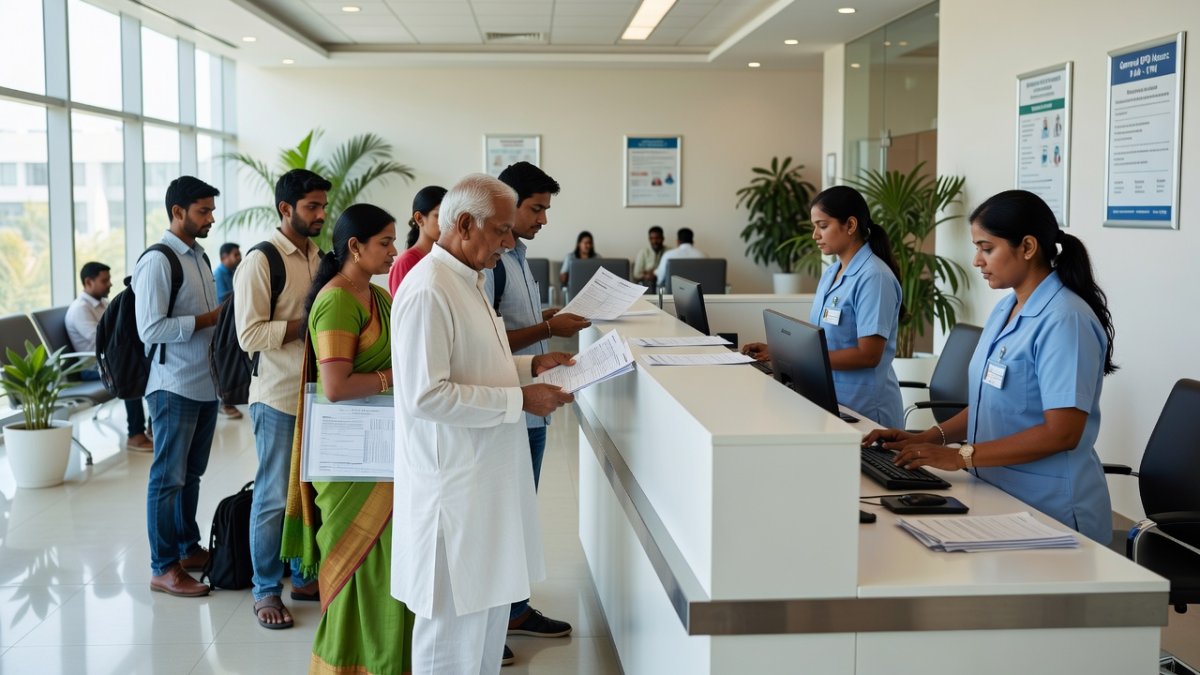
The claims settlement ratio reached a record 87% in FY25, reflecting stronger IRDAI oversight and insurer compliance. This high ratio offers reassurance to India’s 58 crore policyholders under 2.65 crore health insurance policies. However, the divergence between 21.18% growth in claim numbers and only 12.88% growth in settlement amounts suggests tighter scrutiny on individual payouts. IRDAI’s Annual Report 2025-26 highlights cashless treatment dominance as a consumer-friendly shift, yet rising stent and oncology costs test the limits of standardised packages. Indian patients benefit from faster approvals but encounter balance billing when hospital rates exceed policy caps. Lower penetration districts in Uttar Pradesh, Bihar and Odisha receive targeted IRDAI awareness drives, though conversion remains slow. Taxpayers gain indirect protection as regulated private coverage reduces pressure on public hospitals. Policybazaar’s annual handling of 15,000-20,000 claims demonstrates scalable grievance mechanisms now mandated industry-wide. Medical inflation at 14% challenges the sustainability of current settlement standards, prompting IRDAI to explore inflation-linked sum insured norms. For policyholders, the 87% ratio signals improved trust, yet they must still verify network hospital lists and sub-limits to avoid post-treatment disputes.
The Coverage Gap: 58 Crore Lives, But at What Cost?
India covers 58 crore lives through 2.65 crore health insurance policies within a ₹1.17 lakh crore premium market, yet significant gaps persist. Lower penetration in Uttar Pradesh, Bihar and Odisha leaves large populations exposed despite national growth. The 30% surge in claims over three years has not translated into deeper geographic reach. Average claim amounts rose 30%, but the average payout declined to ₹28,910, indicating many citizens still pay substantial portions themselves. Heart diseases driving 25-30% of claims further strain families in under-penetrated states where cardiac care infrastructure is weak. Cashless treatments help urban policyholders, yet rural patients often revert to reimbursement models with delays. Taxpayers funding government schemes witness duplication when privately insured individuals also access public facilities. Medical inflation at 14% annually widens the effective coverage gap, as sum insured values lag behind hospital costs. Policybazaar data reveals that even among active claimants, repeat hospitalisations for chronic conditions quickly exhaust limits. The IRDAI 87% settlement ratio offers procedural comfort, but does not address adequacy of coverage amounts. Indian citizens therefore require higher awareness and periodic policy reviews to prevent underinsurance amid expanding claim volumes.
What This Means for India's Healthcare System
The claims surge places direct pressure on India’s mixed public-private healthcare delivery model. With payouts reaching ₹94,248 crore in FY25, private insurers absorb a growing share of hospital revenue previously borne out-of-pocket. Heart disease claims at 25-30% highlight the need for preventive cardiac programmes at primary health centres. Medical inflation of 14% forces hospitals to raise tariffs, affecting both insured and uninsured patients. Districts in Uttar Pradesh, Bihar and Odisha with low penetration continue relying on overburdened district hospitals. Cashless treatment dominance streamlines urban care but requires wider empanelment to benefit smaller towns. Taxpayers indirectly subsidise the system through exemptions on premiums and public scheme top-ups. The 87% settlement ratio improves confidence yet masks rising rejection risks for borderline cases amid tighter scrutiny. Policybazaar’s volume of 15,000-20,000 claims yearly illustrates the administrative load now scaled nationally. Average payout decline to ₹28,910 signals that patients increasingly share costs, potentially delaying treatment. India’s healthcare framework must therefore integrate insurance data with public health planning to address both volume and cost drivers effectively.
The Bottom Line
India’s health insurance sector faces a defining moment as claims surge 30% while medical inflation runs at 14%. The ₹94,248 crore payout figure for FY25, set against an 87% settlement ratio, shows operational maturity but also reveals structural stress from heart disease claims and rising stent, oncology and ICU costs. With 58 crore lives covered yet uneven penetration across Uttar Pradesh, Bihar and Odisha, millions remain vulnerable. Policyholders must select higher sum insured products and verify cashless networks, while taxpayers should demand better integration between private insurance and public schemes. The average claim amount increase of 30% over three years, coupled with declining per-claim payouts, underscores the urgency for inflation-adjusted policies. IRDAI oversight has delivered record settlement ratios, yet sustained consumer protection requires addressing the coverage gap and cost escalation simultaneously. Indian citizens stand at the intersection of expanding access and eroding real benefits, making informed policy choices and preventive health measures essential for financial security.
 — By Dr. Raj Patel, Staff Writer
This article was produced with AI-assisted research and editorial support. Reporting is based on sources cited in the article.
What's Your Reaction?
 Like
0
Like
0
 Dislike
0
Dislike
0
 Love
0
Love
0
 Funny
0
Funny
0
 Wow
0
Wow
0
 Sad
0
Sad
0
 Angry
0
Angry
0

India/South Asia Correspondent at Global1.News. Analytical voice with a background in science and health journalism. Based in New Delhi, covering Indian politics, education, healthcare, technology, and policy. Breaks down complex data into clear, actionable reporting.














Comments (0)