
DRC's New Culinary Movement: Congolese Chefs Put Gourmet Spin on Traditional Cuisine
In the heart of Kinshasa, a culinary revolution is simmering. Far from the conflict narratives that dominate headlines about the Democratic Republic of Congo, a new generation of chefs is reclaiming the nation's food heritage — transforming humble traditional ingredients into sophisticated Afro-fusion cuisine that challenges how the world sees Congolese culture. DRC's New Culin
In the heart of Kinshasa, a culinary revolution is simmering. Far from the conflict narratives that dominate headlines about the Democratic Republic of Congo, a new generation of chefs is reclaiming the nation's food heritage — transforming humble traditional ingredients into sophisticated Afro-fusion cuisine that challenges how the world sees Congolese culture.
DRC's New Culinary Movement: Congolese Chefs Put Gourmet Spin on Traditional Cuisine
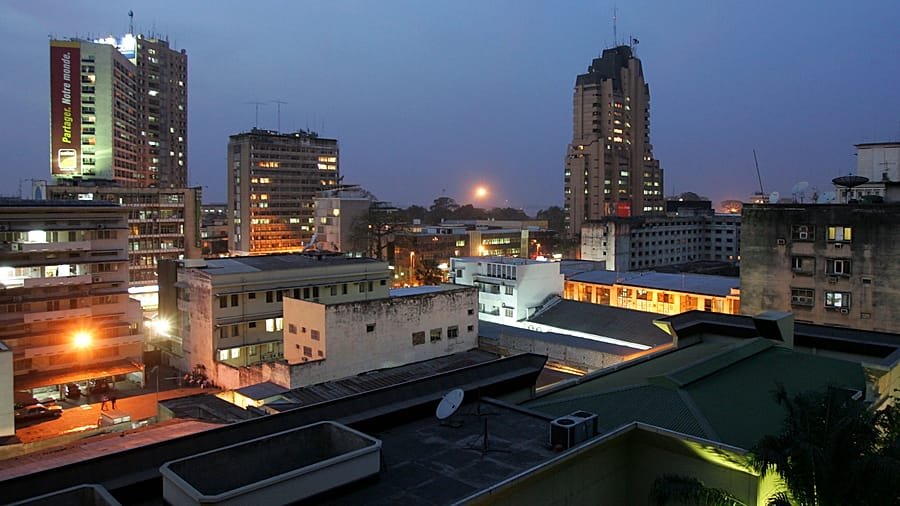
Kinshasa, DRC — In a city of more than 17 million people, on the top floor of a building overlooking the sprawling megacity, a quiet culinary renaissance is taking shape. The restaurant Zaire — named after the country's former name — offers Afro-fusion cuisine that elevates traditional Congolese dishes to fine-dining status, drawing local elites and international visitors alike.
Afro-Fusion Meets Tradition in Kinshasa
Perched on the eighth floor of Immeuble Matrix at 119 Boulevard du 30 Juin in the Gombe district, restaurant Zaire welcomes guests into an intimate world where the rhythms of Congolese life meet refined elegance. Rumba music drifts softly through the space, its gentle melodies echoing the country’s deep cultural roots while diners gaze out over the glittering expanse of Kinshasa’s seventeen million residents below. The hushed lounges invite quiet conversation, creating an atmosphere that feels both celebratory and deeply personal, as though every meal honors the stories carried in each ingredient.
The menu at Zaire reads like a love letter to local produce reimagined through French technique. Yam gratin arrives layered with creamy safou-fruit butter, its earthy sweetness balanced by the subtle tang of the fruit. Caterpillar sauce, known locally as mbinzo, coats tender proteins in a rich, nutty embrace that surprises even the most seasoned palates. Kilebu ravioli, filled with a delicate blend of mushrooms and peanut butter, pays homage to a beloved Congolese specialty while presenting it in elegant parcels that melt on the tongue.
Further along the tasting journey, ballotine of sole rests in a silken safou butter, its delicate fish complemented by the fruit’s distinctive aroma. Mboto fish simmers gently with tomatoes and onions, releasing aromas that recall family kitchens across the capital. A vol-au-vent crafted from sweet potato dough cradles a luxurious mushroom and mbinzo sauce, proving that everyday staples can ascend to fine-dining heights when treated with respect and imagination.
This Afro-fusion philosophy lies at the heart of Zaire’s identity. By marrying Congolese ingredients with classical French methods, the kitchen demonstrates that local flavors deserve the same meticulous attention given to European cuisines. Every dish challenges foreign perceptions that Congolese food is merely simple or rustic, revealing instead a sophisticated heritage waiting to be celebrated.
Equally important is the commitment to sourcing locally whenever possible. In a nation that imports most of its food despite possessing vast arable land, Zaire’s choices carry symbolic weight. They remind diners that the DRC’s soil holds extraordinary potential, and that supporting local farmers strengthens both culinary identity and economic resilience.
Noushka Teixeira: A Homecoming Story
Noushka Teixeira carries Congolese-Brazilian roots that stretch across continents, yet her heart has always remained tied to Kinshasa. After spending fifteen years in Belgium, she felt an undeniable pull to return home and shine a light on the culinary heritage she had missed so dearly. Last year she opened Zaire with her husband, transforming an empty floor into a beacon of cultural pride and gastronomic possibility.
Her decision was deeply personal. “When people say ‘DRC’ abroad, it’s always pejorative,” she explains. “It’s all talk about war or how Congolese people love to dance.” Teixeira wanted to replace those narrow narratives with something richer and more nourishing. She believes that food offers the most intimate way to introduce the world to the true soul of her country.
Her time in Belgium sharpened her technical skills, yet it also clarified what she had been missing. “We Africans have a tendency to tell ourselves that everything foreign is better,” she reflects, “but that’s because we’ve never bothered to truly exalt our own products.” This realization became the guiding principle behind every plate at Zaire.
Because formal culinary schools in the DRC remain scarce, Teixeira trained her entire team herself. She passed on techniques she had learned abroad while encouraging her cooks to draw from the flavors of their own childhoods. The result is a kitchen where precision meets memory, and where every young cook feels empowered to contribute ideas rooted in local tradition.
Rumba music plays throughout service, a deliberate choice that connects the dining experience to DRC’s broader cultural heritage. The gentle sway of the melodies reminds guests that Congolese identity is not only about ingredients but also about joy, rhythm, and communal celebration.
Teixeira’s mission extends beyond the restaurant walls. By reclaiming Congolese food identity, she hopes to inspire a generation that has grown accustomed to looking outward for validation. Her return home represents both a personal homecoming and a collective invitation to honor what has always been present.
Samuel Bobo: From Economics to the Kitchen
Chef Samuel Bobo once sat in university lecture halls studying economics, convinced that a stable career lay in numbers and policy. Yet the pull of the kitchen proved stronger than any spreadsheet. After graduation, he followed his heart into professional cooking, trading theoretical models for the tangible satisfaction of transforming raw ingredients into something memorable.
Bobo trained under Belgian chefs working in Kinshasa, absorbing classical techniques while quietly observing how those methods could elevate the dishes he had grown up eating. He began experimenting in small ways, testing whether the flavors of his grandmother’s table could survive the transition to a professional brigade.
His philosophy centers on honoring memory through modern craft. “I am inspired by the one my grandmother used to make for me,” he says of his signature mboto fish simmered with tomatoes and onions. The dish appears on Zaire’s menu exactly as he remembers it, only refined with precise timing and elegant presentation that allows the original taste to shine even brighter.
Bobo’s journey mirrors a larger shift among educated young Congolese who are choosing culinary careers over more conventional paths. In a country where formal culinary education remains limited, these young professionals are carving out space for themselves through determination and creativity.
Without dedicated programs teaching Congolese cuisine, many aspiring cooks must piece together their knowledge from family kitchens and international influences. Bobo’s success at Zaire demonstrates that this hybrid approach can produce remarkable results when guided by genuine respect for tradition.
His presence in the kitchen serves as quiet encouragement to others who might feel torn between societal expectations and personal passion. By thriving in a field once considered secondary, he helps normalize the idea that cooking can be both a respected profession and a profound act of cultural preservation.
Archi Dimosi: Resilience and the Catering Pivot
At thirty-four, Chef Archi Dimosi has already navigated the unpredictable terrain of Kinshasa’s restaurant scene with remarkable adaptability. Self-taught through countless hours of French cuisine tutorials on YouTube, he opened his first restaurant in central Kinshasa only to close it when monthly costs reached four thousand five hundred dollars. Taxes, rent, and utilities proved impossible to sustain despite strong local interest.
Rather than abandon his dream, Dimosi pivoted to a catering business that now serves gourmet Congolese meals across the city. He built his own supplier network from the ground up, sourcing fish from Lake Tanganyika and the Atlantic coast, beef from Kongo-Central province, and lamb from Goma in the east. This direct approach allows him to maintain quality while supporting producers across the country.
“Young chefs in the DRC face a lot of problems, but they deserve a chance,” Dimosi states with quiet conviction. He knows firsthand how difficult it is to keep doors open, yet he remains optimistic that the next generation will find more supportive conditions if given space to grow.
Dimosi also laments that “Congolese cuisine doesn’t get taught enough.” Most existing programs focus on Western dishes, leaving local traditions underrepresented in formal training. He counters this gap by teaching young trainees in his catering kitchen and by working steadily on a Congolese cookbook that will document recipes and techniques for future cooks.
The economic realities of running a restaurant in Kinshasa remain daunting. High operating costs force constant creativity, yet Dimosi sees these challenges as opportunities to innovate. His catering model proves that flexibility and community connections can sustain culinary ambitions even when traditional restaurant structures falter.
Through his work, Dimosi models resilience for others who might feel discouraged by similar setbacks. He shows that pivoting does not mean giving up; it can mean discovering new ways to share Congolese flavors with a wider audience.
Overcoming Challenges in DRC's Food Scene
The Democratic Republic of Congo imports most of its food supply despite possessing some of the most fertile land on the continent. Only a fraction of that arable land is currently farmed, largely because infrastructure remains underdeveloped and transportation networks are unreliable. Decrepit roads make it difficult and expensive to move produce from rural areas to Kinshasa’s markets and restaurants.
To guarantee consistent quality, Teixeira imports certain meats from Belgium, a pragmatic decision that highlights the gaps in local supply chains. Yet she continues to champion Congolese ingredients wherever possible, believing that long-term investment in domestic agriculture will eventually reduce such dependencies.
Dimosi captures the daily reality when he notes, “You have to be creative to adapt to the unexpected and change your menu at the last minute.” Power outages, delayed deliveries, and fluctuating prices require chefs to remain agile, turning limitations into opportunities for improvisation.
No culinary schools in the DRC currently teach Congolese cuisine in depth. Existing programs mostly teach how to make Western dishes, leaving aspiring chefs to learn traditional techniques from family members or through trial and error. This absence of formal education creates both a challenge and an opening for self-taught innovators.
High operating costs continue to threaten young ventures, as Dimosi’s experience with four thousand five hundred dollars in monthly expenses illustrates. Yet pockets of support exist. Every Sunday, L’Atypique offers a weekly Congolese buffet for thirty-five dollars per adult and twenty dollars per child, giving families an accessible way to enjoy pondu or saka-saka, fufu, moambe chicken, and liboke fish prepared with care.
These traditional dishes form the foundation of the current movement. Pondu and saka-saka stews made from cassava leaves, hearty fufu, rich moambe sauce, and steamed liboke fish wrapped in banana leaves remind chefs and diners alike of the flavors worth preserving and elevating.
What This Means for African Cuisine
The Democratic Republic of Congo is rarely associated with high cuisine on the global stage. Yet the work emerging from Kinshasa’s kitchens is beginning to shift that perception, proving that Congolese ingredients and techniques belong in conversations about world-class dining.
Zaire’s Afro-fusion approach challenges outdated assumptions about African food by presenting it with the same refinement afforded to other culinary traditions. Diners leave with a deeper appreciation for the complexity and beauty of Congolese heritage, carried through every carefully composed plate.
This movement forms part of a broader African culinary renaissance visible in Dakar, Lagos, Nairobi, and Johannesburg. Across the continent, chefs are reclaiming narratives and placing local ingredients at the center of their storytelling, creating a vibrant mosaic of flavors that refuses to be overlooked.
Dimosi’s cookbook project and his commitment to training young cooks represent concrete steps toward sustainability. By documenting recipes and mentoring the next generation, he ensures that knowledge will not be lost and that future chefs will have stronger foundations on which to build.
At its core, this culinary awakening carries profound cultural significance. Reclaiming food heritage restores dignity and affirms identity in a nation often defined by external narratives. Every successful dish becomes an act of self-definition and quiet resistance.
What comes next is worth watching. As formal culinary programs begin to incorporate Congolese cuisine, as more restaurants open, and as international recognition grows, Congolese food is finally taking its rightful place at the world’s table. The revolution, as Amara Diop would say from her own Senegalese kitchen, is being cooked with love.
By Amara Diop, Staff Writer
This article was produced with AI-assisted research and editorial support. Reporting is based on sources cited in the article.
What's Your Reaction?
 Like
0
Like
0
 Dislike
0
Dislike
0
 Love
0
Love
0
 Funny
0
Funny
0
 Wow
0
Wow
0
 Sad
0
Sad
0
 Angry
0
Angry
0

West Africa/Sahel Correspondent at Global1.News. Dakar-based journalist covering politics, security, climate, and development across Francophone and Anglophone West Africa. Tells the stories of a region undergoing profound transformation.











Comments (0)