
Genocidal Starvation: The Systematic Destruction of Gaza's Food Security
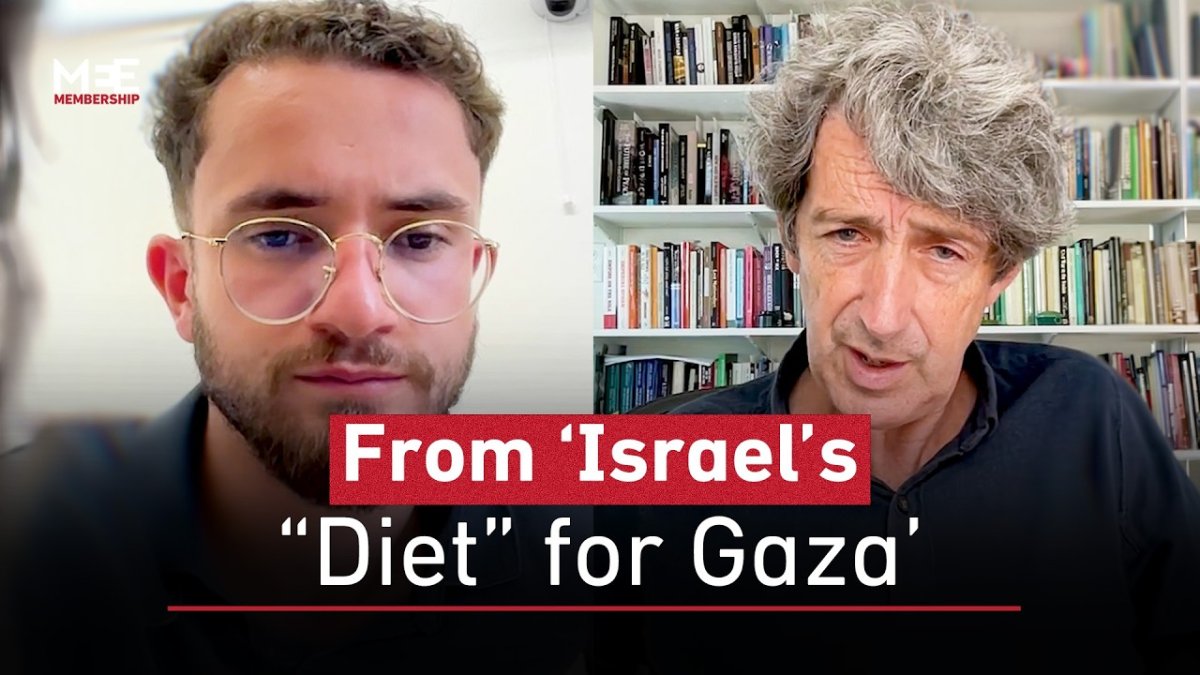
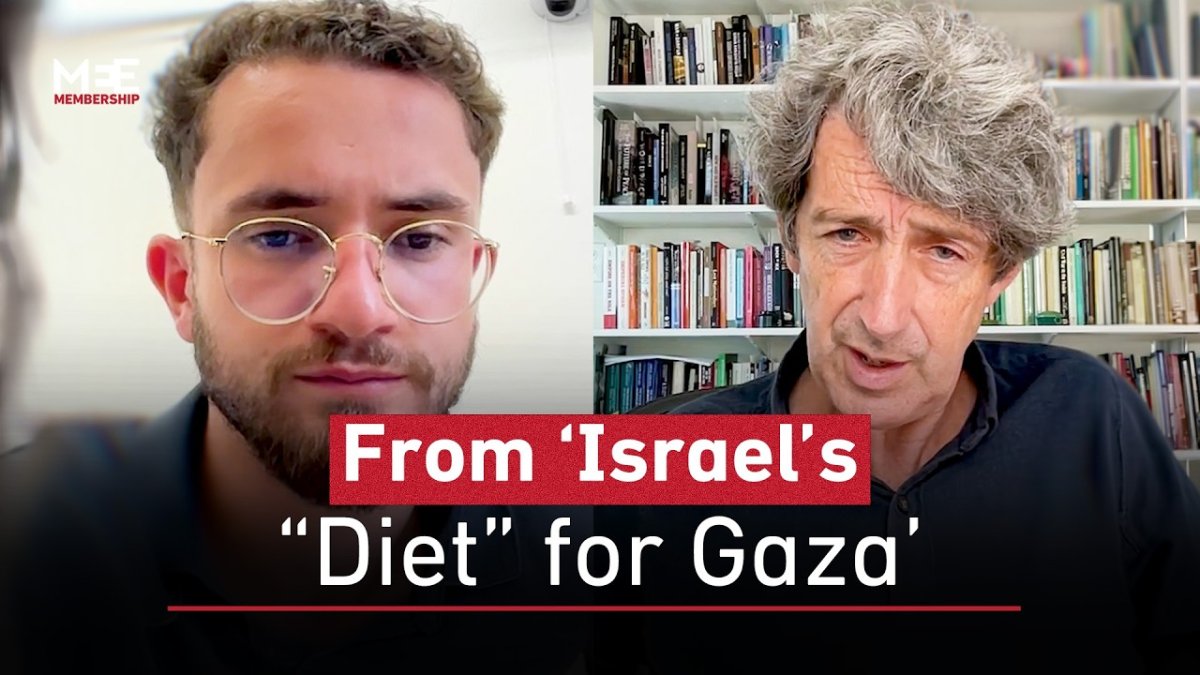
In a recent Middle East Eye report, Professor Alex de Waal, executive director of the World Peace Foundation at Tufts University, examines the systematic dismantling of Gaza's food systems through policies that experts describe as engineered starvation. The discussion draws on his co-authored report with Forensic Architecture, released on August 22, 2025, which maps the mechani
The Official Confirmation of Famine Conditions
The Integrated Food Security Phase Classification confirmed famine in Gaza Governorate in August 2025. This marked the initial such declaration in the region. Over 500,000 people faced IPC Phase 5 conditions, defined as catastrophic famine levels where households experience extreme food shortages and acute malnutrition.
De Waal, who has studied starvation for more than 40 years, characterized Israel's approach as minutely engineered, closely monitored, and precisely designed mass starvation. He noted that the precision and minute control exercised over food access lack precedent in modern times. These assessments rest on documented restrictions on imports, distribution points, and caloric allowances tracked through official channels.
Local agricultural infrastructure in Gaza, already strained by prior blockades, faced further erosion. Farmers and fishermen reported repeated barriers to accessing land and sea, which compounded reliance on external aid that later proved insufficient.
Replacement of Established Aid Systems
The report details how Israeli authorities dismantled the civilian model of aid distribution that humanitarian organizations had refined over years. In its place, a military model emerged through the Gaza Humanitarian Foundation, a US-backed entity. This shift altered delivery routes, vetting procedures, and access points, creating bottlenecks that reduced overall food inflows.
De Waal emphasized that the new framework allowed for granular oversight of every stage of supply movement. Palestinian aid workers described how previously functional coordination with groups such as UNRWA gave way to centralized control points that limited reach into northern and central areas of Gaza.
Market data reflected the resulting scarcity. A 25-kilogram sack of wheat flour reached prices between 235 and 520 dollars, representing a 3,000 percent increase from pre-siege levels. Families in Gaza City and Khan Younis recounted selling household items to secure single sacks, with many households reducing meals to one per day.
Documented Deaths and Health Impacts
Since the siege resumed in March 2025, the Palestinian health ministry recorded at least 101 deaths from starvation, including 80 children. Medical staff at hospitals in Deir al-Balah and Rafah described cases of infants arriving with organs already failing due to prolonged nutrient deficits.
Even after the ceasefire took effect in October 2025, food security showed little recovery. Save the Children reported in December 2025 that four out of five children continued to experience crisis levels of hunger. Community kitchens in Jabalia and Beit Hanoun operated at reduced capacity, serving thin soups made from limited grain stocks.
By June 2026, OCHA data showed that screenings in May alone identified 2,042 cases of acute malnutrition among children aged 6 to 59 months. Of these, 737 involved severe acute malnutrition requiring immediate therapeutic feeding. Clinics noted that supplies of ready-to-use therapeutic food remained inconsistent.
Legal Context and International Proceedings
The Lancet published research in 2025 that concluded Israeli actions met the legal definition of genocide under international conventions. This analysis examined patterns of destruction targeting essential civilian infrastructure, including food production and distribution networks.
These findings intersect with ongoing proceedings at the International Court of Justice concerning Israel's conduct in Gaza. Legal experts referenced the report's mapping of starvation tactics as potential evidence of specific intent to inflict conditions calculated to bring about physical destruction of a group.
Palestinian civil society organizations submitted parallel documentation to UN bodies, highlighting how restrictions on fishing zones, destruction of greenhouses, and control over border crossings formed interconnected elements of the same policy framework.
Long-Term Effects on Palestinian Society
The engineered restrictions have altered daily economic activity across Gaza. Small traders who once moved produce between governorates now face prohibitive transport costs and permit requirements. Women heading households report spending entire days queuing at distribution sites that frequently close without notice.
De Waal's analysis connects these measures to broader historical patterns of control over Palestinian resources, yet he stresses the unprecedented level of real-time monitoring applied in this instance. Community leaders in Gaza describe a pervasive sense that every calorie entering the territory is accounted for by external authorities.
Recovery projections remain uncertain. Agricultural rehabilitation would require restoration of irrigation systems and removal of debris from farmland, tasks that current access limitations continue to obstruct. Health workers warn that repeated cycles of acute malnutrition in young children carry lifelong developmental consequences.
Calls for Accountability and Policy Reversal
International humanitarian agencies have urged a return to the civilian-led distribution model that previously sustained populations under blockade. De Waal argues that only independent monitoring free from military oversight can prevent recurrence of the documented patterns.
Palestinian officials and civil society groups continue to press for unimpeded entry of commercial goods alongside humanitarian supplies. They note that sustainable food security depends on reopening normal trade channels rather than temporary aid corridors.
The report and accompanying video analysis underscore that the mechanisms of control remain intact even after formal ceasefires. Observers maintain that addressing the root architecture of restriction offers the clearest path toward preventing future famine declarations in the territory.
By Fatima Al-Rashid, Staff WriterThis article was produced with AI-assisted research and editorial support. Reporting is based on sources cited in the article.
What's Your Reaction?
 Like
0
Like
0
 Dislike
0
Dislike
0
 Love
0
Love
0
 Funny
0
Funny
0
 Wow
0
Wow
0
 Sad
0
Sad
0
 Angry
0
Angry
0

Gulf/MENA Correspondent at Global1.News. Based in Doha, covering Gulf politics, energy markets, diplomacy, and development across the Middle East and North Africa. Tracks the economic transformation of the Gulf states.














Comments (0)