
Scientists Discover a Hidden Heart Valve Risk Linked to Gum Disease
Scientists Discover a Hidden Heart Valve Risk Linked to Gum Disease The Surprising Link Between Your Gums and Your Heart Valve Have you ever paused mid-floss and wondered if skipping that step could ripple all the way to your ticker? New research presented at the American Heart Association's Basic Cardiovascular Sciences Scientific Sessions 2026 in Boston suggests the answer mi
Scientists Discover a Hidden Heart Valve Risk Linked to Gum Disease
The Surprising Link Between Your Gums and Your Heart Valve
Have you ever paused mid-floss and wondered if skipping that step could ripple all the way to your ticker? New research presented at the American Heart Association's Basic Cardiovascular Sciences Scientific Sessions 2026 in Boston suggests the answer might be yes, at least when it comes to a sneaky condition called calcific aortic valve stenosis. The study highlights how a common bacterium tied to gum disease may quietly fuel valve calcification, and while the findings are still preliminary, they add another layer to the already strong case that oral health and heart health are deeply intertwined. As a health writer who's spent years digging into these connections, I find it fascinating how something as everyday as brushing could influence a valve that controls blood flow from the heart to the entire body.
Understanding Calcific Aortic Valve Stenosis
Let's start with what calcific aortic valve stenosis, or CAVS, actually does. The aortic valve sits between the heart's left ventricle and the aorta, the body's main artery. Over time, in CAVS, this valve thickens and hardens with calcium deposits, narrowing the opening and forcing the heart to work harder to push blood through. Early on, many people feel nothing at all, which is why it's often discovered during routine checks. But as it progresses, symptoms creep in: fatigue that hits out of nowhere, chest pain during activity, shortness of breath, even fainting spells. In severe cases, it can spiral into heart failure or worse. Right now, the go-to fix for advanced disease is valve replacement surgery, either through open procedures or less invasive catheter-based options. No proven drugs exist yet to slow or stop the buildup, which makes any new clue about prevention feel like a potential game-changer.
Think of the valve like a one-way door that's supposed to swing freely. When calcium crusts it over, that door starts sticking, and your heart has to shove harder with every beat. It's a gradual process, often taking decades, but once symptoms appear, things can move quickly. This is where the gum disease angle enters the picture in a way that surprised even the researchers.
Meet the Culprit: Porphyromonas gingivalis
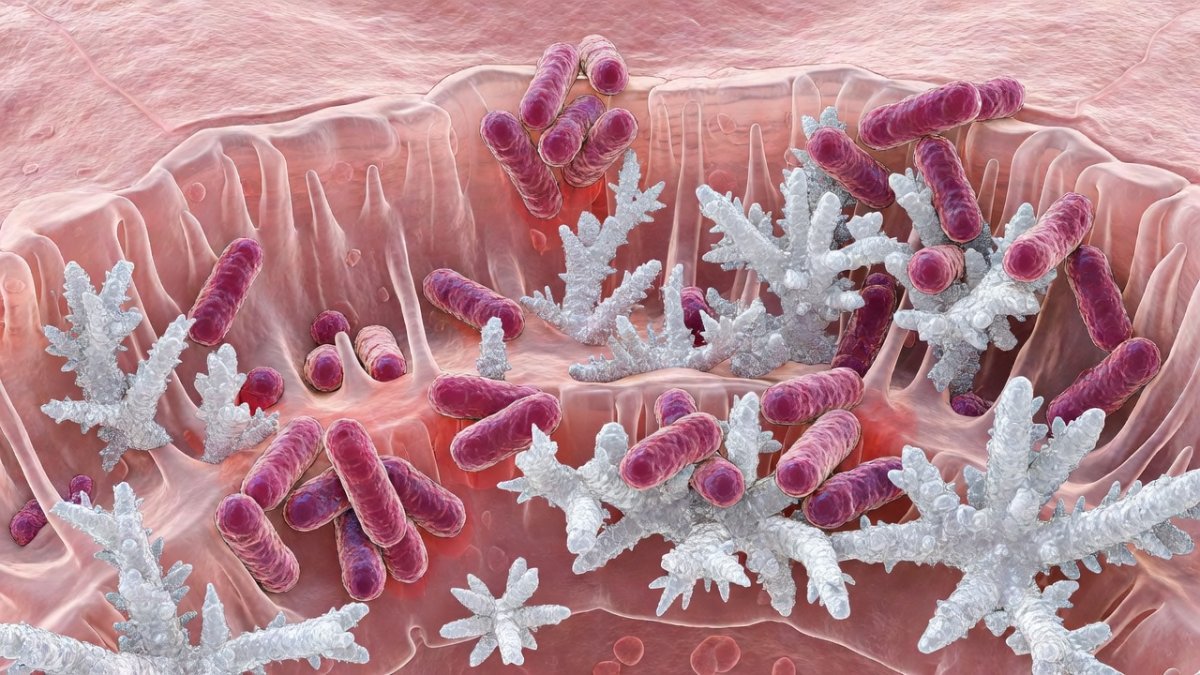
The star of this story is Porphyromonas gingivalis, or P. gingivalis for short. This bacterium is a key player in periodontal disease, the chronic inflammation that erodes gums and supporting bone if left unchecked. It thrives in plaque below the gum line, triggering the body's immune response that can spill over into broader inflammation. Previous work has already tied P. gingivalis to higher risks of cardiovascular issues, but this team zeroed in on its presence right inside heart valve tissue.
Researchers compared calcified aortic valves from CAVS patients undergoing replacement surgery against valve samples from people with other heart valve problems. What stood out? P. gingivalis showed up in much higher levels in the CAVS valves, even if it wasn't the most common bug overall. Co-lead author Chenyang Li, a Ph.D. candidate at China's Fuwai Hospital, put it plainly: they were surprised by just how much of it was there and how stark the difference was between diseased and non-diseased valves. It's like finding a specific fingerprint at a crime scene that points to a particular suspect.
What the Research Uncovered in Mice and Tissue
To dig deeper, the team turned to mouse models. They exposed the animals repeatedly to live P. gingivalis, and sure enough, the bacteria made their way to the aortic valves. This led to increased calcification and signs of aortic stenosis, mimicking what happens in humans. On the flip side, giving preventive antibiotics cut down on these effects. The researchers also zeroed in on interleukin-1 beta, or IL-1b, an inflammation-promoting protein that P. gingivalis appears to activate. When they genetically deleted IL-1b in the mice, valve calcification dropped dramatically, even with the bacteria still present. That suggests inflammation isn't just a side effect—it's a central driver the bacterium exploits.
These experiments help explain a possible biological mechanism: the bug travels or signals from the mouth to the valve, sparks IL-1b, and the resulting inflammation encourages calcium to deposit where it shouldn't. It's not the only factor in CAVS, of course—age, genetics, and other risks like high cholesterol play roles too—but it's a modifiable one worth paying attention to. Remember, though, this is early-stage work presented as an abstract, not yet peer-reviewed, and the team has already started a clinical study in people to see if the pattern holds.
Expert Voices on Oral Health and Heart Connections
Li's takeaway is refreshingly straightforward: take good care of your oral health. Good hygiene and treating gum disease matter for your whole body and might offer cardiovascular perks too. It's too soon for specific CAVS-prevention protocols based on this, but periodontal health could be one more piece of the puzzle. Eduardo Sanchez, the American Heart Association's chief medical officer for prevention, echoes that sentiment. He notes this adds to growing evidence linking oral and heart health, pointing out that for many folks, the dentist is their main healthcare touchpoint. That makes dental pros key partners in catching issues early and making referrals that could save lives. The AHA's Healthy Smiles, Healthy Hearts initiative even provides resources to bridge those worlds.
Isn't it wild how a routine cleaning might do more than keep your smile bright? It could be quietly protecting that hardworking valve. Of course, correlation isn't causation, and plenty of people with gum disease never develop CAVS. Still, the inflammation pathway makes biological sense, and it fits with broader research on how chronic oral infections contribute to systemic issues.
Practical Steps You Can Take Today
So what can you actually do with this information? Start with the basics that pay dividends across the board. Brush twice daily with a fluoride toothpaste, floss or use an interdental cleaner once a day, and see your dentist for regular checkups—ideally every six months if you have a history of gum issues. If your gums bleed easily, feel tender, or you've noticed persistent bad breath, don't wait; get evaluated for periodontal disease. Managing other heart risks like blood pressure, cholesterol, and blood sugar helps too, since they can compound valve stress. And while antibiotics aren't a blanket recommendation here, treating active infections promptly is always wise.
Think of it as stacking small habits: consistent oral care reduces bacterial load, which may dial down that inflammatory spark. Pair it with a heart-healthy diet rich in vegetables and omega-3s, regular movement, and not smoking, and you're giving your cardiovascular system a solid foundation. The researchers stress these results are preliminary, so stay tuned for the upcoming human studies, but in the meantime, flossing isn't just about avoiding cavities—it's a low-effort investment in long-term vitality.
By Allan Ali, Staff Writer
This article was produced with AI-assisted research and editorial support. Reporting is based on sources cited in the article.
What's Your Reaction?
 Like
0
Like
0
 Dislike
0
Dislike
0
 Love
0
Love
0
 Funny
0
Funny
0
 Wow
0
Wow
0
 Sad
0
Sad
0
 Angry
0
Angry
0

Publisher of Global1.News. Automation architect, systems builder, and the guy making sure the truth gets published.















Comments (0)