
US-Iran Hostilities Escalate Raising Global Supply Risks
US-Iran Hostilities Escalate Raising Global Supply Risks The CGTN video titled "US-Iran conflict flares up: What now?" examines recent maritime incidents and proxy accusations that have intensified tensions between Washington and Tehran. These developments threaten a fragile ceasefire agreement while exposing vulnerabilities in global energy transit routes. The analysis undersc
The Escalation Timeline: From Truce to Open Hostility
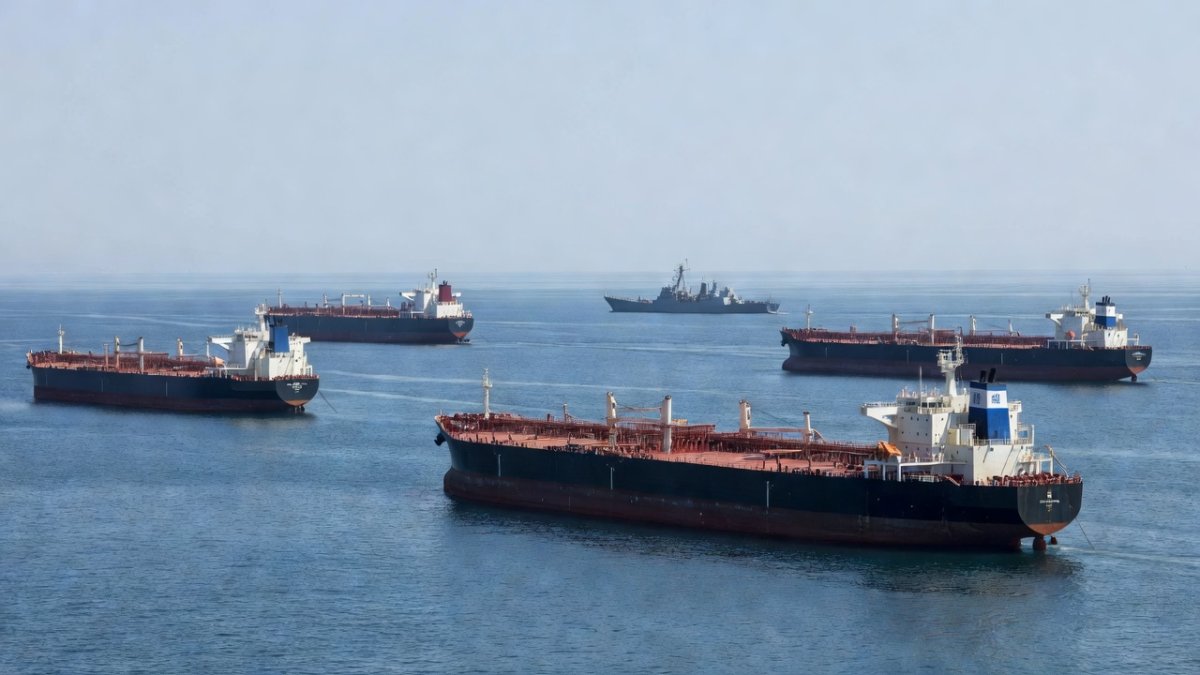
Maritime incidents have punctuated the shift from uneasy truce to renewed friction in recent weeks. Reports of vessel inspections and near-misses in international waters have prompted accusations that both sides are testing red lines without triggering full-scale response. These events build on earlier proxy exchanges that never fully subsided despite diplomatic overtures.
Military readiness indicators include increased naval deployments and air patrols on both sides of the Gulf. The cautious phrasing used by officials suggests neither party seeks immediate escalation, yet each continues to reinforce positions that could support rapid action if required. Such posturing raises the possibility that miscalculation could override deliberate restraint.
Proxy forces aligned with each camp have also shown heightened activity, complicating efforts to contain the conflict. Attribution remains contested, with each side denying direct responsibility for incidents that nevertheless align with broader patterns of pressure. This dynamic makes verification of claims particularly difficult for outside observers.
Diplomatic channels appear strained but not entirely severed, as evidenced by occasional back-channel communications reported in regional media. The absence of concrete timelines for de-escalation reflects the fluid nature of current calculations. Analysts therefore focus on whether incremental measures can prevent further drift toward open confrontation.
Oil Markets and the Strait of Hormuz
Brent crude prices have registered upward pressure amid concerns that even temporary closures or insurance spikes could constrict flows through the Strait of Hormuz. The narrow waterway remains the principal export route for several major producers, and any sustained interference would quickly transmit price signals to distant markets. Shipping companies have already begun adjusting routes and coverage where feasible.
Insurance premiums for tankers transiting the area have climbed, reflecting underwriters' reassessment of risk exposure. These costs are ultimately passed along supply chains, affecting refiners and consumers alike. Strategic petroleum reserves in several importing nations stand ready for release, yet their deployment carries its own political and logistical considerations.
Supply chain managers are evaluating alternative sourcing options, though few can fully substitute Gulf volumes in the short term. The video notes that diversification efforts require years rather than weeks to achieve meaningful scale. In the interim, market volatility is likely to persist even without actual supply interruptions.
Coordination among major importers on reserve management could mitigate some immediate shocks, but such measures address symptoms rather than underlying transit vulnerabilities. Policymakers therefore continue to emphasize the importance of diplomatic off-ramps that preserve freedom of navigation without conceding core security interests.
China's Strategic Calculus
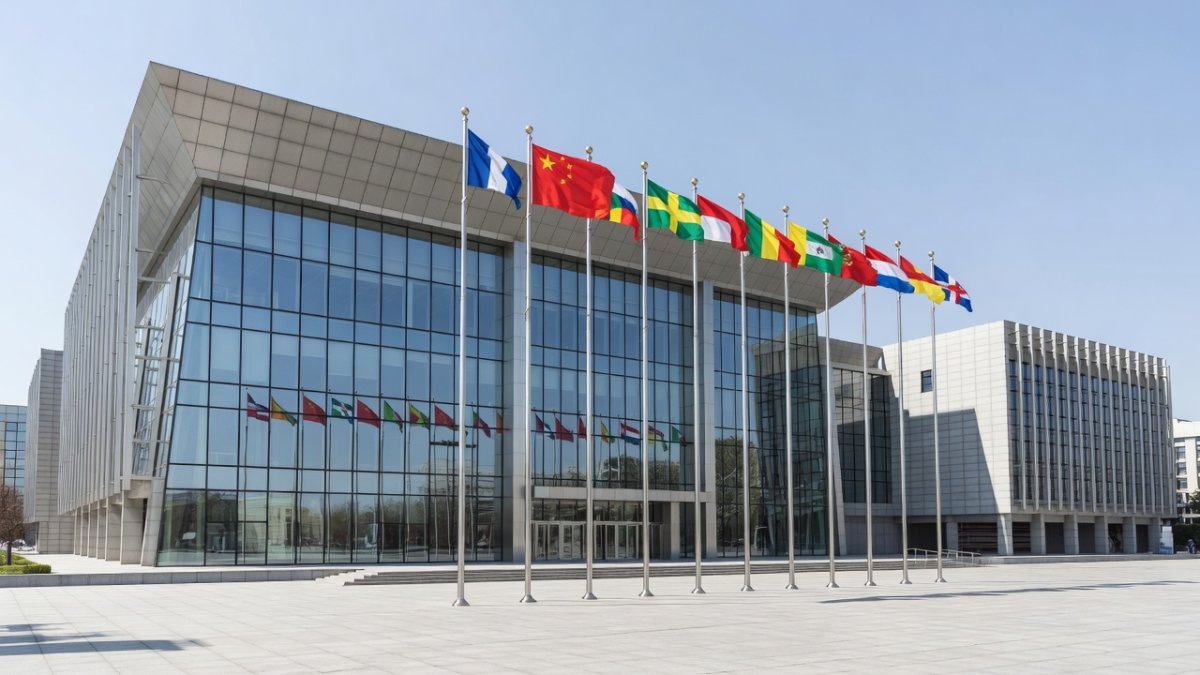
China's Ministry of Foreign Affairs has maintained a measured public stance, favoring calls for restraint while avoiding direct alignment with either party. This approach aligns with Beijing's broader preference for stability that supports continued energy imports and Belt and Road project implementation. Quiet diplomacy through established channels remains the primary instrument at this stage.
The Dual Circulation strategy places particular weight on securing reliable external energy supplies while simultaneously expanding domestic production and storage capacity. Any prolonged disruption in Gulf flows would test the balance between these two pillars and accelerate efforts to diversify import sources. Officials have acknowledged this linkage without specifying operational adjustments.
Belt and Road investments across the region also face indirect exposure, as heightened tensions could delay infrastructure timelines and raise financing costs. Chinese firms active in port and pipeline projects therefore monitor developments closely. The second-order effect would be slower regional connectivity gains that Beijing has long promoted as mutually beneficial.
Energy security calculations intersect with China's wider foreign policy doctrine that prioritizes multipolar arrangements over unilateral dominance by any single power. MFA statements continue to stress dialogue and adherence to international norms governing maritime passage. This framing allows Beijing to position itself as a stabilizing actor without assuming enforcement responsibilities.
Regional Fallout: The Gulf Arab States and Israel
Gulf Cooperation Council members face competing pressures as they seek to protect fiscal planning tied to oil revenues while managing security partnerships. Vision programs in several states depend on predictable energy income and foreign investment that could be deterred by sustained instability. Balancing acts between Washington and Tehran therefore remain delicate.
Israel's security posture adds another layer of complexity, given its own calculations regarding Iranian capabilities and regional influence. Coordination with Gulf states has increased in recent years, yet each actor retains distinct threat assessments and red lines. Any widening of the conflict would force rapid recalibration of these alignments.
Fiscal authorities in the region have begun stress-testing budgets against various oil-price scenarios, recognizing that even short-term spikes carry lasting effects on sovereign wealth funds and development spending. Diversification timelines under national visions may need adjustment if revenue projections shift materially. External partners are watching these adjustments for signs of longer-term strategic reorientation.
Collective GCC mechanisms for crisis response remain limited, leaving individual states to manage immediate exposures through bilateral arrangements. This fragmentation reduces collective leverage while increasing the premium on accurate intelligence and rapid decision-making. The resulting environment rewards caution yet also creates openings for external mediation.
The Broader US-Iran Confrontation
The JCPOA framework once provided a structured path for sanctions relief in exchange for nuclear restrictions, yet its erosion has left both sides with fewer verified constraints and more room for unilateral moves. Successive rounds of sanctions have targeted Iranian oil exports and financial channels, prompting Tehran to develop alternative revenue mechanisms. These adaptations have not eliminated pressure but have altered its effectiveness over time.
Proxy conflicts across several theaters have served as lower-threshold arenas for competition, allowing each side to impose costs without crossing into direct state-on-state warfare. Attribution challenges and deniability have sustained this pattern even as underlying capabilities evolve. The current flare-up risks elevating these shadow confrontations into more visible exchanges.
US policy has oscillated between maximum-pressure campaigns and episodic diplomatic openings, reflecting domestic political cycles as well as regional developments. Iranian responses have similarly combined defiance with selective engagement depending on economic conditions and internal political balances. This oscillation complicates efforts to establish durable rules of the road.
Third parties, including European signatories to the original agreement, have attempted to preserve limited channels for trade and verification, yet their leverage remains constrained by secondary sanctions exposure. The resulting stalemate leaves the core dispute unresolved while new incidents accumulate. Future trajectories will depend on whether either side identifies a viable off-ramp that preserves core interests without appearing to concede ground.
The coming months will test whether maritime incidents remain contained or generate wider spillover that forces more explicit great-power involvement. China's emphasis on stable energy access and regional connectivity suggests continued preference for de-escalation, yet Beijing's influence depends on the willingness of Washington and Tehran to engage. Observers should therefore monitor both public statements and quieter diplomatic signals for indications of movement. Ultimately, the interplay between energy-market dynamics, proxy calculations, and strategic doctrines will determine whether the current flare-up subsides or becomes a more durable feature of Gulf security. No single actor possesses decisive leverage, which increases the value of incremental confidence-building steps even if they fall short of comprehensive settlement. By Prof. Marcus Chen, Staff WriterThis article was produced with AI-assisted research and editorial support. Reporting is based on sources cited in the article.
What's Your Reaction?
 Like
0
Like
0
 Dislike
0
Dislike
0
 Love
0
Love
0
 Funny
0
Funny
0
 Wow
0
Wow
0
 Sad
0
Sad
0
 Angry
0
Angry
0

World Politics Analyst at Global1.News. Based in Beijing, covering US-China relations, global trade, and geopolitical strategy. Brings deep analytical perspective to the power dynamics shaping international affairs.











Comments (0)