
Japan GPIF Domestic Shift: Katayama's July 2026 Plan
Background on the July 2026 Announcement Finance Minister Satsuki Katayama announced on July 10, 2026, that the government intends to direct Japan's state pension funds, including the Government Pension Investment Fund, toward substantially higher allocations in domestic assets. The GPIF manages approximately $1.8 trillion, positioning it among the largest pension funds globall
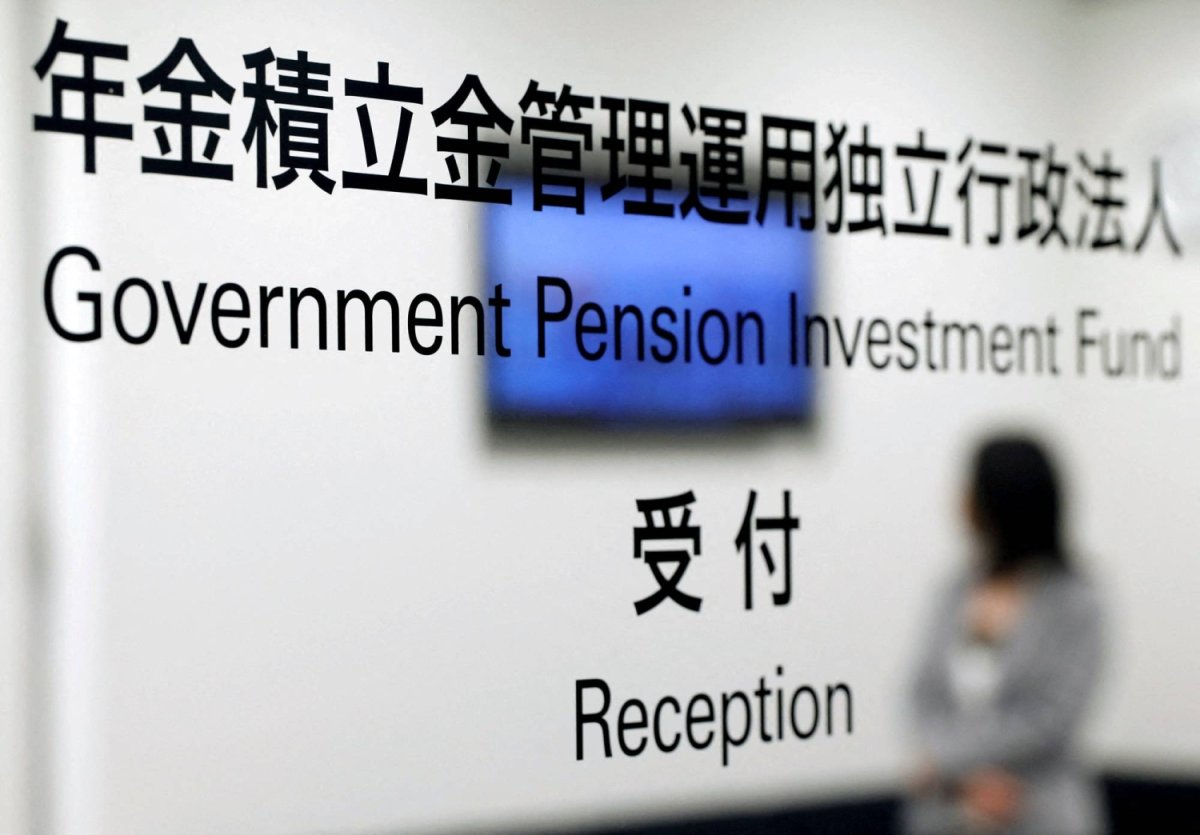
Background on the July 2026 Announcement
Finance Minister Satsuki Katayama announced on July 10, 2026, that the government intends to direct Japan's state pension funds, including the Government Pension Investment Fund, toward substantially higher allocations in domestic assets. The GPIF manages approximately $1.8 trillion, positioning it among the largest pension funds globally. Roughly $930 billion of its holdings sit overseas, with nearly all of that portion handled by foreign fund managers.
The statement immediately lifted Japanese equities, the yen, and Japanese government bonds. A GPIF spokesperson declined to comment on specific plans but confirmed that the current portfolio adheres to long-term targets established by the welfare minister. Any mandate adjustments must follow an established review process.
Japan's Economic Context and Policy Drivers
Japan continues to navigate a weak yen environment alongside the Bank of Japan's gradual normalization of monetary policy and the re-emergence of moderate inflation. These conditions have prompted renewed focus on channeling domestic capital into local markets to support currency stability and economic resilience. The GPIF shift forms part of wider government initiatives aimed at reinforcing Japan's financial infrastructure.
Officials view increased domestic investment as a mechanism to ease pressure on the yen while aligning pension assets with national growth priorities. This approach reflects ongoing coordination between fiscal authorities and the BOJ, particularly as inflation data show sustained but contained price increases.
Implications for Foreign Asset Managers
Firms such as State Street and Legal & General stand to face reduced fee revenue if overseas mandates shrink. The $930 billion currently allocated abroad represents a significant revenue stream for these international managers. Any reallocation would occur gradually, limiting immediate disruption but signaling a structural change in how Japanese pension capital is deployed.
Foreign managers may respond by deepening local partnerships or offering Japan-focused products. The announcement has already prompted market participants to reassess long-term exposure to Japanese pension mandates.
Effects on Japanese Investors and Capital Markets
Japanese investors could benefit from greater GPIF participation in domestic equities and bonds, potentially improving liquidity and price discovery in the Tokyo market. The initial market reaction—gains in stocks, the yen, and JGBs—illustrates how even preliminary policy signals can influence sentiment.
Broader capital markets stand to gain from reduced reliance on foreign intermediaries and stronger alignment between pension assets and domestic economic performance. Corporate Japan may see steadier demand for shares and bonds as allocations adjust over time.
Implementation Timeline and Practical Constraints
Changes to the GPIF investment mandate require a formal process that could extend over several years. The Manila Times characterized the development on July 14 as "a slow burn, not a bond market fire sale," underscoring the measured pace expected. Portfolio targets set by the welfare minister remain the governing framework until new guidelines are approved.
Market participants should therefore treat the announcement as a directional signal rather than an immediate operational shift. Yen support from this policy direction may materialize incrementally as actual reallocations begin.
Strategic Outlook for Japan's Financial System
The move reinforces efforts to strengthen domestic financial markets by retaining more capital within Japan. It aligns with broader objectives of enhancing market depth and reducing external vulnerabilities. Japanese policymakers will likely monitor impacts on both pension returns and overall market stability throughout the transition.
Over the medium term, the policy could contribute to a more balanced investment landscape, supporting yen stability while providing Japanese companies with reliable domestic funding sources.
Tags: GPIF, Satsuki Katayama, domestic investments, yen, foreign managers, JGBs, BOJ, Japanese markets
By Kenji Tanaka, Staff Writer
This article was produced with AI-assisted research and editorial support. Reporting is based on sources cited in the article.
What's Your Reaction?
 Like
0
Like
0
 Dislike
0
Dislike
0
 Love
0
Love
0
 Funny
0
Funny
0
 Wow
0
Wow
0
 Sad
0
Sad
0
 Angry
0
Angry
0

Japan Correspondent at Global1.News. Tokyo-based voice covering Japanese politics, technology, economy, and culture. Tracks the intersection of tradition and innovation in one of the world's most dynamic societies.















Comments (0)