
Ghana Declares Weekly 'Fugu Day' to Celebrate Tradition
In a celebration of heritage that has captured the continent's imagination, Ghana has declared Wednesdays as National Fugu Day, designating the traditional woven garment known as the fugu or batakari as a weekly symbol of cultural pride. The initiative, launched in February 2026, has seen Ghanaians from parliamentarians to office workers embrace the colourful handwoven smock wi
In a celebration of heritage that has captured the continent's imagination, Ghana has declared Wednesdays as National Fugu Day, designating the traditional woven garment known as the fugu or batakari as a weekly symbol of cultural pride. The initiative, launched in February 2026, has seen Ghanaians from parliamentarians to office workers embrace the colourful handwoven smock with remarkable enthusiasm across the West African nation.
Ghana Declares Weekly 'Fugu Day' to Celebrate Traditional Clothing After President's Outfit Sparks Continental Banter
Accra, Ghana — What began as a moment of online mockery has transformed into a national cultural movement, as Ghanaians from all walks of life now wear the traditional fugu every Wednesday after the government officially designated the day to celebrate the iconic handwoven garment. Tourism Minister Abla Dzifa Gomashie announced the weekly observance, declaring that the fugu would help project Ghanaian identity "with pride on the global stage."
From Online Banter to National Pride
President John Dramani Mahama wore fugu during a state visit to Zambia, stepping out in the flowing handwoven smock that immediately drew attention across social media platforms. What followed was a wave of online mockery that labeled the garment a blouse, sparking heated exchanges between Ghanaians and their Zambian counterparts in what quickly became known as the viral Fugu War banter.
Ghanaians refused to let the comments diminish their pride and instead transformed the mockery into a powerful movement of cultural affirmation. The banter spread rapidly, trending for days with hashtags that celebrated the garment's deep roots rather than allowing it to be diminished. This moment became the catalyst for a broader national embrace of traditional attire that extended far beyond the initial controversy.
Zambia's president reportedly expressed interest in ordering fugu after witnessing the garment's elegance during the visit, turning a point of contention into an unexpected bridge of appreciation between the two nations. The shift from ridicule to respect highlighted how African communities can reclaim narratives around their heritage when faced with external misunderstanding.
From my Senegalese vantage point, watching this unfold reminded me of how our own boubou traditions have weathered similar moments of outside commentary, only to emerge stronger through collective affirmation. Ghanaians demonstrated remarkable resilience by channeling the energy of the banter into weekly celebrations that now unite citizens across regions and generations.
The episode also revealed the power of digital spaces to both challenge and uplift cultural expressions, as Ghanaians flooded timelines with images of themselves proudly wearing the smock. What started as a diplomatic visit evolved into a continental conversation about authenticity and self-representation that continues to resonate.
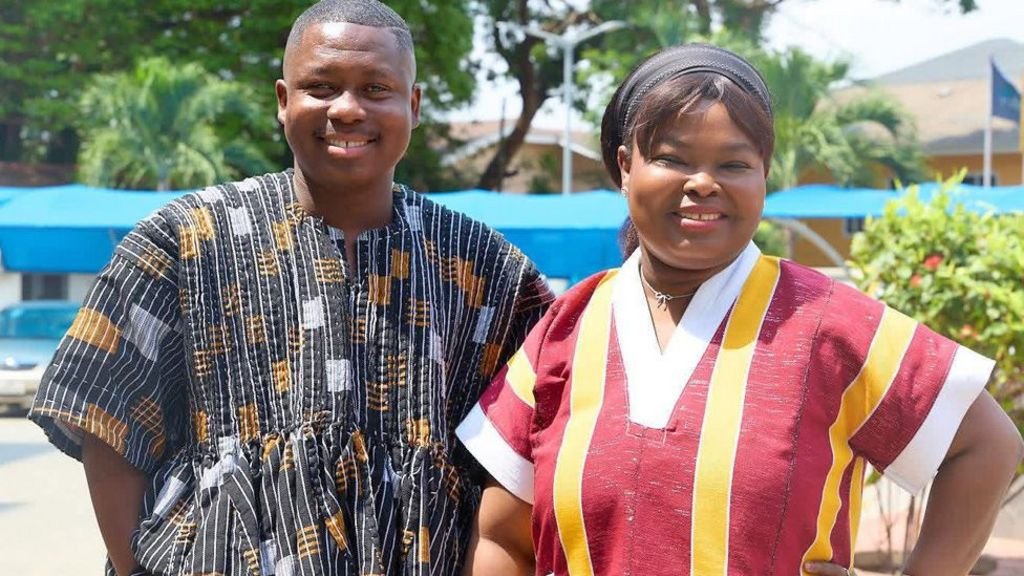
What Is the Fugu? A Garment Steeped in Tradition
The fugu, also called batakari or smock, is a handwoven cotton garment traditionally from northern Ghana, crafted from narrow strips of thick cotton fabric stitched together into a distinctive poncho-style silhouette. This method of weaving reflects generations of skill passed down through families in the savanna regions, where the garment serves both practical and symbolic purposes.
Traditionally worn by leaders in the north as a symbol of royalty and authority, the fugu carries deep cultural weight that extends to ordinary citizens who don it for daily life and special occasions alike. Men typically pair it with matching trousers and a hat, while women have adapted versions that flow longer or take the form of elegant dresses suited to their needs.
Kwame Nkrumah wore it at Ghana's independence celebrations in 1957, marking the moment when the nation became the first sub-Saharan nation to break colonial rule and step onto the world stage as a sovereign state. The garment's presence at that historic gathering underscored its role as a unifying emblem of African self-determination.
Ghana became independent in 1957, and the fugu stood alongside other symbols of that era as a testament to indigenous creativity and resilience. Its construction from locally sourced cotton continues to support artisan communities whose techniques predate modern textile industries by centuries.
In Senegal we see parallels in our bazin and boubou traditions, where fabric carries stories of lineage and community, reminding us that across West Africa these garments are living archives of our shared histories. The fugu's enduring appeal lies in its ability to bridge the everyday and the ceremonial with quiet dignity.
Government's Vision: Culture Meets Commerce
Tourism Minister Abla Dzifa Gomashie made the official declaration that Wednesdays would become National Fugu Day, encouraging citizens to wear the garment in all its diverse forms, designs, and expressions. Her statement framed the initiative as a way to deepen national cultural awareness while opening doors for economic growth tied to heritage.
The government expects economic benefits for local weavers, designers, artisans, and traders as demand for authentic fugu rises across the country. This approach aims to expand business and employment opportunities throughout the textile and fashion value chains, creating sustainable livelihoods rooted in traditional skills.
Friday had been designated by the previous government as a day for fugu, with social media trending for days with #FuguFriday, yet the new Wednesday focus builds on that foundation with renewed energy and broader institutional support. The ministry emphasized that collective adoption would reinforce unity without creating division.
Gomashie was clear that the initiative is not intended to sideline Kente fabric, another treasured Ghanaian textile, but rather to celebrate the full spectrum of the nation's weaving heritage. This inclusive stance ensures that multiple traditions thrive side by side in the national consciousness.
From a Senegalese perspective, such policies echo efforts in Dakar to promote our own textile sectors, where government backing helps artisans compete in global markets while preserving cultural integrity. Ghana's model offers valuable lessons in balancing pride with practical economic strategy.
Parliament and Institutions Join the Movement
Ghana's Parliament held a session with lawmakers in smocks, replacing formal suits with the vibrant handwoven garments and signaling official endorsement at the highest levels of governance. The sight of elected representatives embracing the fugu sent a powerful message about cultural confidence to citizens watching across the nation.
The Ghana National Association of Private Schools welcomed the move, encouraging students and staff to participate in ways that make heritage part of everyday learning environments. NHIS workers made a collective effort to turn up in fugu, demonstrating how public institutions can model the change.
Schools, offices, and other organizations across Accra and beyond have begun incorporating the weekly observance, creating visible waves of color in markets, ministries, and classrooms. Ordinary citizens wear fugu in a variety of colors and patterns, adapting the garment to personal taste while honoring its origins.
This widespread participation reflects a grassroots energy that complements the government's top-down announcement, ensuring the tradition takes root in daily life rather than remaining ceremonial. The shift feels organic, much like how Senegalese communities naturally integrate traditional attire into modern routines.
Institutions report improved morale and a renewed sense of connection among colleagues who now share this weekly expression of identity. The movement has transformed workplaces into spaces where culture and professionalism coexist comfortably.

Voices from the Ground — Ghanaians Embrace the Fugu
Bismark Owusu Sarpong told BBC he was proud to wear his blue, white and black striped fugu to put Ghana on the map, capturing the personal pride that fuels the national initiative. His words reflect how individuals see their weekly choice as contributing to a larger story of cultural visibility.
Raymond Avenor called fugu easy wear that doesn't need ironing, highlighting the practical advantages that make the garment appealing for busy professionals navigating Ghana's tropical climate. This comfort factor has helped broaden its appeal beyond special occasions.
Andrews Tetteh Zutah, who owns more than seven fugus, expressed a wish to wear it every day, illustrating the deep affection many Ghanaians feel for the garment's versatility and beauty. His collection speaks to how the fugu has become a staple in personal wardrobes.
Elijah Sulemana Musah owns a fugu factory and says business is booming, with orders pouring in from celebrities like Okyeame Kwame and Kwabena Kwabena. International interest from Zambians has further expanded his customer base, turning local craftsmanship into a growing export opportunity.
These personal stories reveal the human heart of the movement, where economic gains and cultural pride walk hand in hand. As a Senegalese observer, I find these accounts deeply moving because they mirror the quiet pride we feel when our own textile traditions find new life in contemporary settings.
A Continental Lesson in Cultural Confidence
Franklin Cudjoe of IMANI Africa noted the need for sustainability to keep the momentum alive, warning that long-term planning will be essential if the weekly observance is to avoid becoming another short-lived initiative like National Chocolate Day. His perspective brings a pragmatic lens to the celebration.
The power of turning mockery into cultural celebration offers other African nations a compelling example of how to respond when heritage faces external judgment. Ghana's approach demonstrates that dignity and creativity can transform challenges into opportunities for unity.
Senegal's own rich textile traditions, from the flowing boubou to the intricate bazin, provide a parallel story of resilience and adaptation that resonates with Ghana's experience. Across the continent, African fashion and cultural confidence continue to grow as communities reclaim their narratives with increasing boldness.
The economic potential of traditional textile industries remains vast, with opportunities for cross-border collaboration that could strengthen West African markets and create jobs for young artisans. Ghana's success shows how policy can amplify these possibilities when paired with genuine public enthusiasm.
Watching from Dakar, I see in Ghana's Fugu Day a reminder that our shared African heritage is not static but a living force capable of inspiring pride, commerce, and continental solidarity. The movement invites all of us to wear our stories with the same warmth and conviction.
By Amara Diop, Staff WriterThis article was produced with AI-assisted research and editorial support. Reporting is based on sources cited in the article.
What's Your Reaction?
 Like
0
Like
0
 Dislike
0
Dislike
0
 Love
0
Love
0
 Funny
0
Funny
0
 Wow
0
Wow
0
 Sad
0
Sad
0
 Angry
0
Angry
0

West Africa/Sahel Correspondent at Global1.News. Dakar-based journalist covering politics, security, climate, and development across Francophone and Anglophone West Africa. Tells the stories of a region undergoing profound transformation.











Comments (0)