
Hormuz on Fire: US Launches Third Night of Strikes on Iran
Hormuz on Fire: US Launches Third Night of Strikes on Iran, Reinstates Naval Blockade BREAKING: Strikes on 6 cities Folks, the third straight night of U.S. strikes hit six Iranian locations last night—Bandar Abbas, Kish Island, Qeshm Island, Abu Musa Island, Bushehr, and Jam. CNN and The Guardian both confirmed the wave of attacks began shortly after midnight local time. Al Jaz
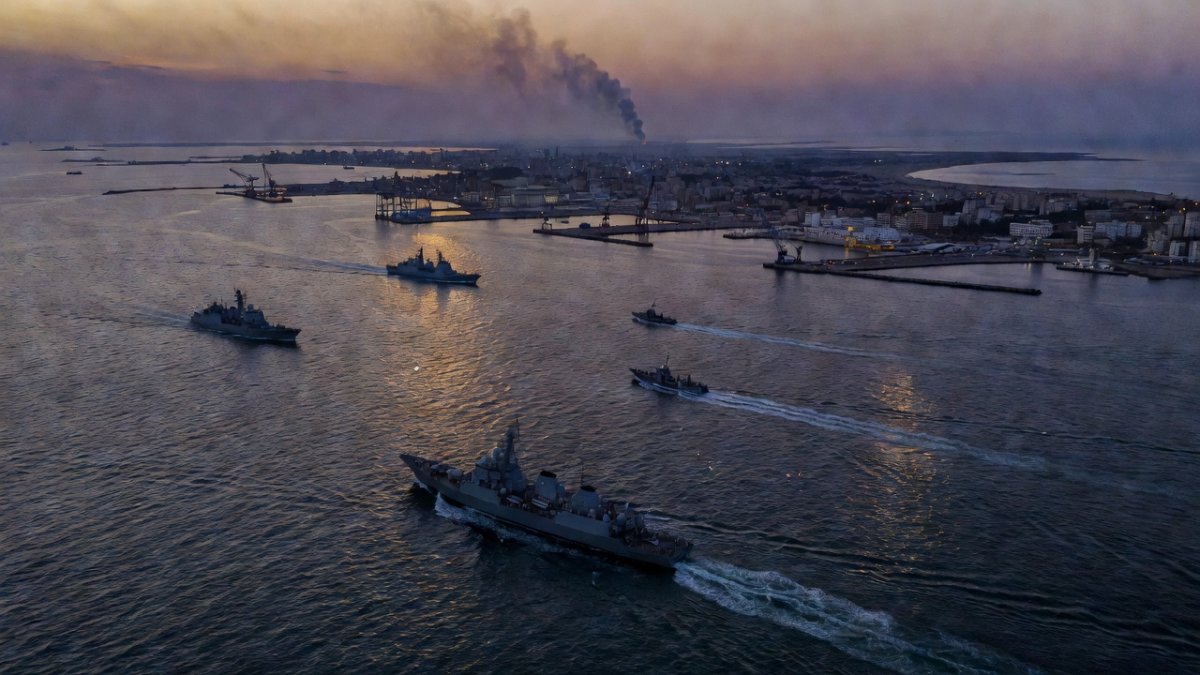
Hormuz on Fire: US Launches Third Night of Strikes on Iran, Reinstates Naval Blockade
BREAKING: Strikes on 6 cities
Folks, the third straight night of U.S. strikes hit six Iranian locations last night—Bandar Abbas, Kish Island, Qeshm Island, Abu Musa Island, Bushehr, and Jam. CNN and The Guardian both confirmed the wave of attacks began shortly after midnight local time. Al Jazeera reported explosions rocking port facilities and coastal infrastructure, while Iran’s IRNA state media described the strikes as “blatant aggression against civilian and economic targets.”
U.S. Central Command stated the operations aim to degrade Iran’s ability to threaten commercial shipping through the Strait of Hormuz. CENTCOM emphasized precision targeting of military and logistics nodes rather than population centers. Iranian officials countered that the attacks have caused civilian casualties and damage to ports vital for regional trade, calling the campaign an escalation that violates international norms.
This isn’t abstract. These sites sit along the narrow waterway that carries roughly 20 percent of global oil. When strikes land on islands and ports that double as naval hubs, the ripple effects hit energy markets and shipping lanes immediately. Both sides are framing the action differently—CENTCOM as defensive protection of freedom of navigation, Tehran as unprovoked assault on sovereignty. The facts on the ground show six locations struck in one night, with competing narratives about intent and impact.
The Blockade & 20% Fee
President Trump reinstated the U.S. naval blockade of Iranian ports in the Strait of Hormuz, according to BBC and Bloomberg reporting. In addition, a 20 percent charge now applies to all cargo transiting the strait under the new policy. Bloomberg noted the fee functions as both economic pressure and revenue measure amid the ongoing conflict.
Shipping data tells the story plainly. Xinhua and Kpler tracking showed only 14 vessels transited the strait on Sunday—the lowest daily total in months. The combination of naval presence and the surcharge has already thinned traffic. CENTCOM described the blockade as necessary to prevent Iran from using the waterway to export weapons or import components for further attacks. Iranian perspectives, voiced through state media, label the move an illegal strangulation of their economy and a direct threat to global energy security.
Readers, the Strait of Hormuz is not just geography; it is the valve on a fifth of the world’s oil supply. When that valve tightens under a 20 percent toll and warship patrols, every downstream market feels it. The policy balances stated U.S. security goals against Iranian claims of collective punishment. Shipping numbers dropping to 14 vessels in a single day illustrate how quickly the status quo can shift when both military and financial levers are pulled at once.
Timeline: Feb to July 2026
The war began in February 2026 after U.S.-Israeli strikes killed Supreme Leader Ayatollah Khamenei. Iran responded by closing the Strait of Hormuz, halting tanker traffic and triggering immediate global alarm. A June memorandum of understanding briefly reopened the waterway, yet Iran shut it again on June 20. Three days later a tanker named Kiku was struck, further inflaming tensions.
By July 14 the United States had launched its third consecutive night of strikes. CENTCOM frames the sequence as a measured response to repeated Iranian attempts to control or close the strait. Iranian officials argue the initial U.S.-Israeli action against their leadership left them no choice but to assert control over waters they view as sovereign. The back-and-forth—closure, partial reopening, renewed closure, tanker incident, and now sustained strikes—shows how quickly diplomatic off-ramps collapsed.
Folks, understanding this timeline matters because each step built on the last. February’s leadership strike set the trajectory; June’s brief opening proved fragile; the July blockade and nightly strikes represent the current escalation. Both Washington and Tehran present their moves as defensive reactions to the other’s aggression. The documented sequence of events leaves little room for claims that the conflict erupted without prior warnings and failed negotiations.
Human Cost & Casualties
Thousands are dead and tens of thousands injured across Iran, Lebanon, Iraq, Israel, and Palestine, according to Al Jazeera and UN tallies. The strikes on port cities and islands have added to civilian casualties already mounting from months of exchanges. Iran’s IRNA has highlighted damage to residential areas near military sites, while U.S. statements stress efforts to limit collateral harm.
The International Maritime Organization, through UN News, has called for “maximum restraint and de-escalation.” Humanitarian agencies note that disrupted shipping also affects food and medicine deliveries to populations already strained by conflict. CENTCOM maintains its targets are military in nature; Iranian sources describe broader economic and civilian consequences from both the strikes and the blockade.
Directly to you: behind every percentage point in oil prices sit real people whose hospitals, homes, and livelihoods sit in the crossfire. The UN casualty figures span multiple countries because the fighting has not stayed contained. Iranian and American narratives diverge sharply on responsibility, yet the documented human toll continues to rise regardless of which side’s framing prevails on any given day.
Global Shockwaves: Oil, Supply Chains, Economy
Oil prices surged roughly 3 percent to one-month highs after the latest strikes, Reuters reported, with an earlier 9 percent jump on the blockade announcement. Bloomberg noted that 20 percent of global oil flows through Hormuz, making any sustained disruption an immediate supply shock. Refiners and importers are already rerouting tankers and drawing down reserves.
Supply-chain managers worldwide face higher freight costs and longer transit times. The 20 percent Hormuz fee compounds these pressures, raising the landed price of crude and refined products. CENTCOM argues the measures protect the very shipping lanes that keep global commerce moving; Iranian officials warn that prolonged closure or taxation will trigger worldwide inflation and recession risks.
Folks, energy markets price in risk faster than diplomats can speak. When daily transits fall from dozens to 14 and a 20 percent surcharge lands on every barrel, the cost travels straight to gas pumps and factory floors. Both U.S. and Iranian perspectives claim their actions safeguard broader interests—freedom of navigation versus resistance to economic coercion—yet the shared outcome so far is higher prices and tighter supplies that affect every consumer far from the Gulf.
What Comes Next & What You Can Do
The coming days will test whether the current pace of strikes and blockade enforcement produces negotiations or deeper confrontation. CENTCOM has signaled continued operations until Iranian threats to shipping recede; Tehran has vowed to resist what it calls occupation of its waters. Observers watch for any sign that either side is prepared to return to the table.
Readers, stay informed through multiple verified sources rather than single narratives. Track official statements from CENTCOM alongside Iranian reporting and independent shipping data. Contact your representatives to ask how they plan to support de-escalation efforts consistent with the IMO’s call for maximum restraint. Monitor energy assistance programs if higher prices begin to strain household budgets in your community.
By Jessica Ali, Global 1 News
This article was produced with AI-assisted research and editorial support. Reporting is based on sources cited in the article.
What's Your Reaction?
 Like
0
Like
0
 Dislike
0
Dislike
0
 Love
0
Love
0
 Funny
0
Funny
0
 Wow
0
Wow
0
 Sad
0
Sad
0
 Angry
0
Angry
0

Editor-in-Chief at Global1.News. Atlanta-based journalist who cuts through the BS and tells it like it is. Lead anchor, host, and the voice you hear when the spin stops and the truth starts.













Comments (0)