
The Havana Syndrome Mystery: A Decade of Pain and Uncertainty
The Havana Syndrome Mystery: A Decade of Pain and Uncertainty The United States government has disbursed nearly three million dollars in compensation to individuals affected by Havana Syndrome, marking the first payouts authorized under the 2021 Havana Act. These payments recognize the neurological injuries reported by American personnel who served in diplomatic and intelligenc
The Havana Syndrome Mystery: A Decade of Pain and Uncertainty
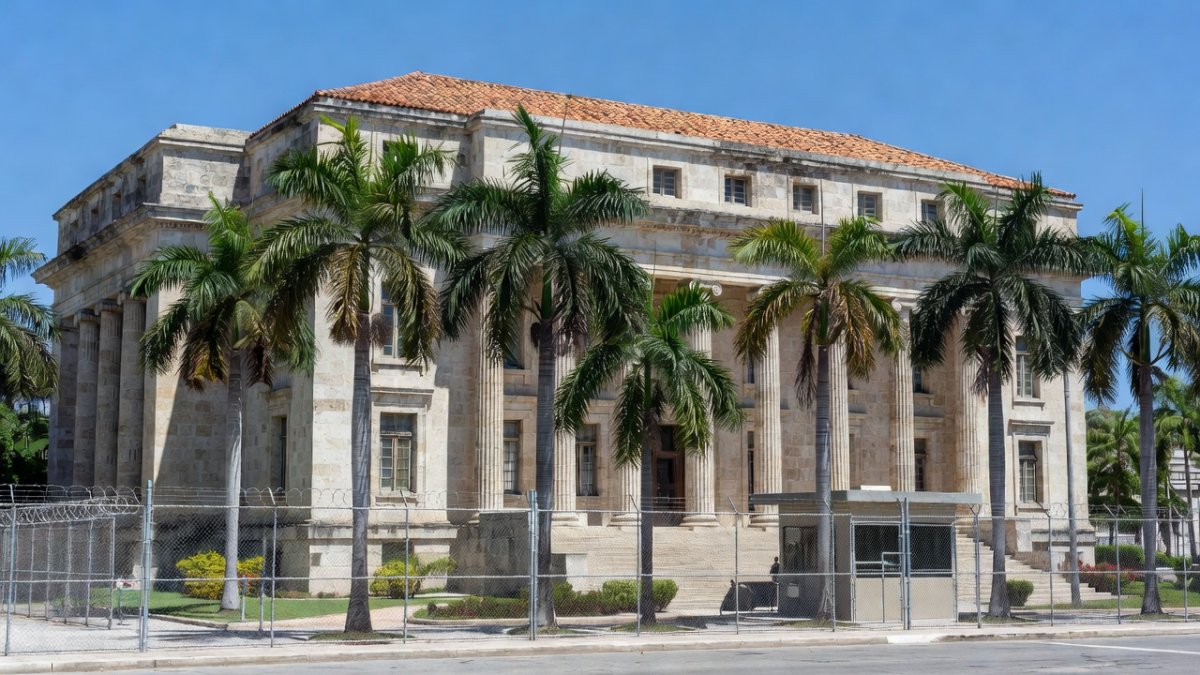
The United States government has disbursed nearly three million dollars in compensation to individuals affected by Havana Syndrome, marking the first payouts authorized under the 2021 Havana Act. These payments recognize the neurological injuries reported by American personnel who served in diplomatic and intelligence roles. The condition first surfaced in Havana in 2016 among CIA officers and State Department staff, where individuals described sudden onset of disturbing auditory sensations followed by persistent health effects. Cuba's position as a longstanding site of US geopolitical friction adds layers of complexity to the unfolding story, as bilateral ties have long been shaped by suspicion and limited cooperation on security matters.
What Is Havana Syndrome? A Neurological Puzzle
Victims report hearing a low hum, sharp clicks, or high-pitched squeals, often accompanied by intense pressure felt inside the skull. These sensations frequently lead to dizziness, nausea, and difficulties with balance and concentration that can last for months or years. Medical evaluations have documented changes in brain structure and function among some patients, though no single diagnostic test confirms the condition. The affected group includes not only those stationed in Cuba but also personnel who later experienced similar episodes while serving in other posts. Researchers continue to examine whether the symptoms stem from directed energy exposure, environmental factors, or a combination of physiological responses.
Physicians treating the cases emphasize that the symptoms are real and debilitating, even as the precise mechanism remains elusive. Families of affected diplomats describe disrupted careers and ongoing medical needs that extend well beyond the initial incidents. The Havana Act established a framework for financial support and medical care, acknowledging that these individuals sustained injuries while carrying out official duties abroad.
From Cuba to the World: How the Mystery Spread
Reports began in Havana during 2016 and soon extended to US personnel in China, Washington DC, and additional locations across Europe and Asia. The pattern showed clusters of cases among embassy staff and intelligence officers, prompting the State Department and intelligence community to launch internal reviews. Over the following years, the number of reported incidents grew, leading agencies to develop protocols for rapid medical assessment when personnel described the characteristic sounds and pressure sensations. The geographic spread raised questions about whether a common exposure source existed or whether separate events shared similar clinical features.
Latin American capitals hosting US diplomatic missions took note as the reports multiplied. Governments in the region monitored developments closely because any health threat to foreign personnel could affect staffing decisions and security arrangements at embassies. The progression from a single-city cluster to a multi-continent issue underscored the challenges of investigating incidents that occur under varying environmental and political conditions.
The Science Debate: Microwave Weapons or Mass Psychogenic Illness?
US intelligence assessments have concluded that it is very unlikely a foreign actor deployed a novel weapon to cause the reported injuries. A minority of analysts within the community maintain that some cases could involve directed energy, citing historical research into microwave technologies dating back to Cold War programs. Studies from earlier decades explored the biological effects of radiofrequency energy, including potential impacts on the nervous system, yet no verified weapon system matching the described symptoms has been publicly confirmed in recent years.
Alternative explanations include the possibility of mass psychogenic illness, in which stress and suggestion amplify perceived symptoms within a close-knit professional group. Medical literature documents similar phenomena in other high-pressure environments, though clinicians treating Havana Syndrome patients note objective findings such as vestibular damage that are harder to attribute solely to psychological factors. Ongoing research at several US institutions continues to test both energy-exposure hypotheses and conventional neurological explanations without reaching a definitive consensus.
What Havana Syndrome Means for Latin America
Cuba's history as a flashpoint in US foreign policy makes the syndrome particularly sensitive for regional diplomacy. Limited cooperation on health investigations has complicated efforts to determine whether local environmental conditions or external actors played any role. Other Latin American nations that host US embassies now face added scrutiny regarding the safety of diplomatic compounds and the adequacy of medical support available to foreign staff.
Health security in the region depends on transparent information sharing between host governments and diplomatic missions. When personnel experience unexplained neurological symptoms, questions arise about potential risks to local employees and neighboring communities. The episode highlights the need for stronger regional frameworks to investigate health incidents affecting international personnel, regardless of the ultimate cause. Countries across Latin America may need to reassess embassy security standards and medical response capabilities to maintain stable diplomatic presence.
Years of Suffering, Finally Acknowledged
The nearly three million dollars distributed so far represent an initial step toward recognizing the long-term consequences faced by those affected. Many victims have endured career interruptions, chronic symptoms, and uncertainty about their future medical needs. The Havana Act provides a mechanism for continued support, yet advocates argue that additional resources will be required as more cases receive evaluation.
Looking ahead, the focus shifts to improved detection methods and clearer communication between US agencies and host nations in Latin America. Sustained scientific inquiry remains essential to distinguish between competing explanations and to protect personnel serving abroad. The payments mark a formal acknowledgment of harm, but the broader task of resolving the underlying cause continues to demand coordinated international attention.
By Elena Vasquez, Staff WriterThis article was produced with AI-assisted research and editorial support. Reporting is based on sources cited in the article.
What's Your Reaction?
 Like
0
Like
0
 Dislike
0
Dislike
0
 Love
0
Love
0
 Funny
0
Funny
0
 Wow
0
Wow
0
 Sad
0
Sad
0
 Angry
0
Angry
0

Latin America Correspondent at Global1.News. Based in Mexico City, covering politics, economics, energy, and culture across the region. Brings an on-the-ground perspective to stories spanning from the Rio Grande to Patagonia.











Comments (0)