
Trump Says US-Iran Deal Could Be Signed This Weekend - Here's What You Need to Know
The June 12 Bombshell — Strikes canceled, deal announced Folks, June 12, 2026, delivered the kind of headline that stops you mid-coffee. CNN reported that President Trump abruptly canceled planned military strikes against Iran and instead announced a "great settlement" that could end the war and reopen the Strait of Hormuz. He claimed Iran's supreme leader had approved the conc
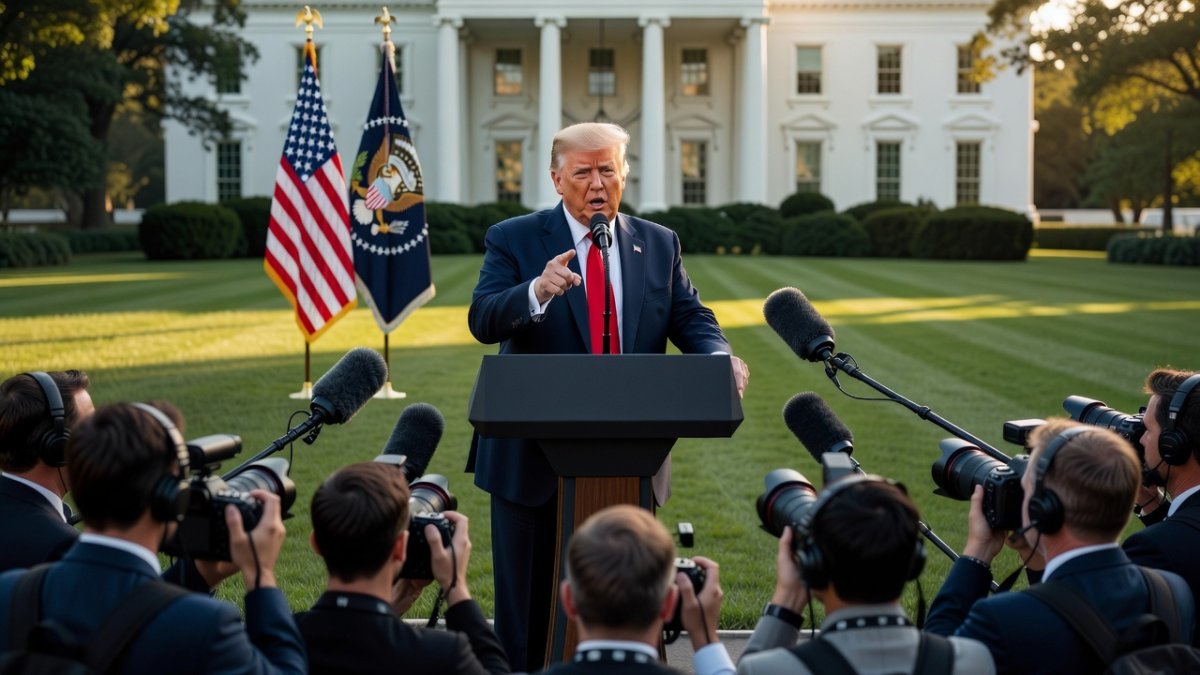
The June 12 Bombshell — Strikes canceled, deal announced
Folks, June 12, 2026, delivered the kind of headline that stops you mid-coffee. CNN reported that President Trump abruptly canceled planned military strikes against Iran and instead announced a "great settlement" that could end the war and reopen the Strait of Hormuz. He claimed Iran's supreme leader had approved the concept at the highest levels, a move that caught nearly everyone off guard.
The timing matters. Just days earlier, tensions had spiked with threats flying in both directions. Trump framed the shift as a breakthrough, telling supporters the deal would keep Iran from ever possessing a nuclear weapon. CNN's reporting tied the announcement directly to the cancellation of those strikes, suggesting the administration chose diplomacy over escalation at the last minute.
Yet the details remain thin. Trump said on Truth Social that discussions had reached Iran's top leadership and received conceptual approval. That sounds decisive until you remember how many past "almost deals" collapsed once the fine print surfaced. Still, the prospect of a signing ceremony as early as this weekend, possibly with Vice President JD Vance in Europe, has injected fresh uncertainty into an already volatile situation.
What Trump Is Selling — The deal framework
Trump laid out clear demands on Truth Social and in public remarks. Iran must remove its enriched uranium stockpile, dismantle key parts of its nuclear infrastructure, limit missile production, and stop supporting proxy groups across the region. Reopening the Strait of Hormuz sits at the center of the pitch, framed as an immediate economic win for global energy markets.
The president presented these terms as non-negotiable red lines that Tehran had already accepted in principle. He emphasized that Iran "will not have a nuclear weapon" under any agreement, repeating the phrase as the core deliverable. Supporters see this as Trump doing what previous administrations could not: forcing real concessions through maximum pressure.
Critics, however, note the framework still leaves major gaps. Nothing in the public statements addresses verification mechanisms or long-term monitoring. Trump has sold big frameworks before that later unraveled over enforcement details. Whether this version survives contact with actual negotiators remains the open question.
Iran's Public Skepticism — Baghaei's pushback
Iran's foreign ministry spokesperson Esmail Baghaei pushed back hard against the optimism coming from Washington. Speaking to CNN and Iran's IRNA news agency, Baghaei called reports of a finalized agreement "merely speculation." He stated plainly that Iran has "not reached a final decision" and accused the United States of repeatedly "changing their positions" during talks.
Baghaei did acknowledge that "a large portion of the text had already been finalized," which suggests some progress on paper. Yet he stopped short of endorsing any breakthrough, signaling that Tehran is not ready to declare victory or surrender leverage. This careful wording reflects Iran's long-standing approach of keeping options open while projecting resolve.
The mixed messaging from Tehran should not surprise anyone. Iranian officials have spent years navigating between domestic hardliners and international pressure. Baghaei's comments serve as a reminder that even if Trump believes conceptual approval exists at the supreme leader level, public confirmation and internal consensus remain far from guaranteed.
The Mediators — Qatar and Pakistan's role
Qatar and Pakistan have stepped into the classic mediator lane, shuttling messages between Washington and Tehran. Both countries maintain channels with Iran that the United States lacks, making them useful back-channel players when direct talks stall. Their involvement explains how discussions reached this stage despite the public acrimony.
Qatar's role is especially familiar after its work on other regional files. Pakistan brings its own longstanding relationship with Tehran and a desire to stabilize energy routes that affect its own economy. Together they appear to have helped keep negotiations alive even as military threats escalated.
Still, mediators can only carry messages. The real test comes when the parties must sit across from each other or accept terms that feel like losses at home. Qatar and Pakistan have bought time and created space, but they cannot force either side to swallow difficult compromises.
Israel's Complicated Position — Netanyahu blindsided
Israeli Prime Minister Benjamin Netanyahu expressed public appreciation for Trump's efforts, yet reports indicate he was caught by surprise by the sudden pivot toward a deal. Israel has long viewed Iran's nuclear program as an existential threat and has pushed for tougher action rather than negotiated limits.
Netanyahu's measured response suggests coordination gaps between Washington and Jerusalem at a critical moment. While he avoided outright criticism, the lack of advance warning on such a major shift could strain the alliance. Israeli officials have historically preferred clarity over last-minute diplomatic surprises.
The bigger question is whether any agreement that leaves Iran with residual nuclear capability or missile programs will satisfy Israel's security concerns. Netanyahu may appreciate the gesture, but his government will likely demand ironclad guarantees that go beyond the current framework Trump has described.
The Military Pressure That Got Us Here — Kharg Island, Feb 28 operations
Trump had previously vowed to seize Iran's Kharg Island, which handles roughly 90 percent of the country's crude exports. That threat, combined with "major combat operations" that began on February 28, 2026, created the leverage now being used at the negotiating table. Tehran responded by targeting U.S. bases in the region overnight, showing both sides were prepared for escalation.
The military track clearly shaped the diplomatic opening. Once strikes were taken off the table, the conversation shifted toward what Iran could accept without total humiliation. The sequence demonstrates how quickly the administration moved from threats to potential settlement once conditions aligned.
Yet military pressure carries its own risks. Any deal reached under the shadow of imminent strikes may prove fragile once that pressure eases. Both sides know the alternative to agreement remains dangerous and costly, which is why the current window exists at all.
Cut the Spin — What this really means
Let's cut through the victory-lap language. Trump is selling a framework that still requires Iran to make painful concessions on uranium, missiles, and proxies. Tehran is publicly signaling it has not signed anything and is unhappy with shifting U.S. positions. That gap between the two narratives is where this deal could still die.
The involvement of Qatar and Pakistan shows both sides needed help finding an off-ramp. The fact that Netanyahu was reportedly blindsided reveals coordination problems that could complicate implementation. And the military moves around Kharg Island and U.S. bases prove this breakthrough came only after serious escalation risks.
Optimism is cheap right now. The hard part—verification, enforcement, and domestic buy-in on both sides—has barely begun. Anyone claiming this is already a done deal is ignoring the public skepticism coming straight from Iran's foreign ministry.
What Happens Next — Timeline and call to action
The reported timeline points to a possible signing ceremony in Europe as early as this weekend, with Vice President JD Vance potentially attending. That would require rapid agreement on remaining details and quiet acceptance from Israel and Gulf partners. Delays are more likely than a smooth rollout.
Watch for further statements from Baghaei and other Iranian officials. If Tehran continues to describe the talks as unfinished and subject to changing U.S. demands, the weekend timeline will slip. Conversely, any coordinated messaging from Washington and Doha would signal real momentum.
Folks, this situation demands clear-eyed attention rather than wishful headlines. The difference between a conceptual framework and a signed, verifiable agreement is enormous. Stay tuned, because the next 72 hours will tell us whether this is a genuine breakthrough or another round of diplomatic theater.
By Jessica Ali, Lead Anchor — Global 1 News
This article was produced with AI-assisted research and editorial support. Reporting is based on sources cited in the article.
What's Your Reaction?
 Like
0
Like
0
 Dislike
0
Dislike
0
 Love
0
Love
0
 Funny
0
Funny
0
 Wow
0
Wow
0
 Sad
0
Sad
0
 Angry
0
Angry
0

Editor-in-Chief at Global1.News. Atlanta-based journalist who cuts through the BS and tells it like it is. Lead anchor, host, and the voice you hear when the spin stops and the truth starts.










Comments (0)