
Iran Strait Crisis Escalates as Trump Announces Blockade Reinstatement
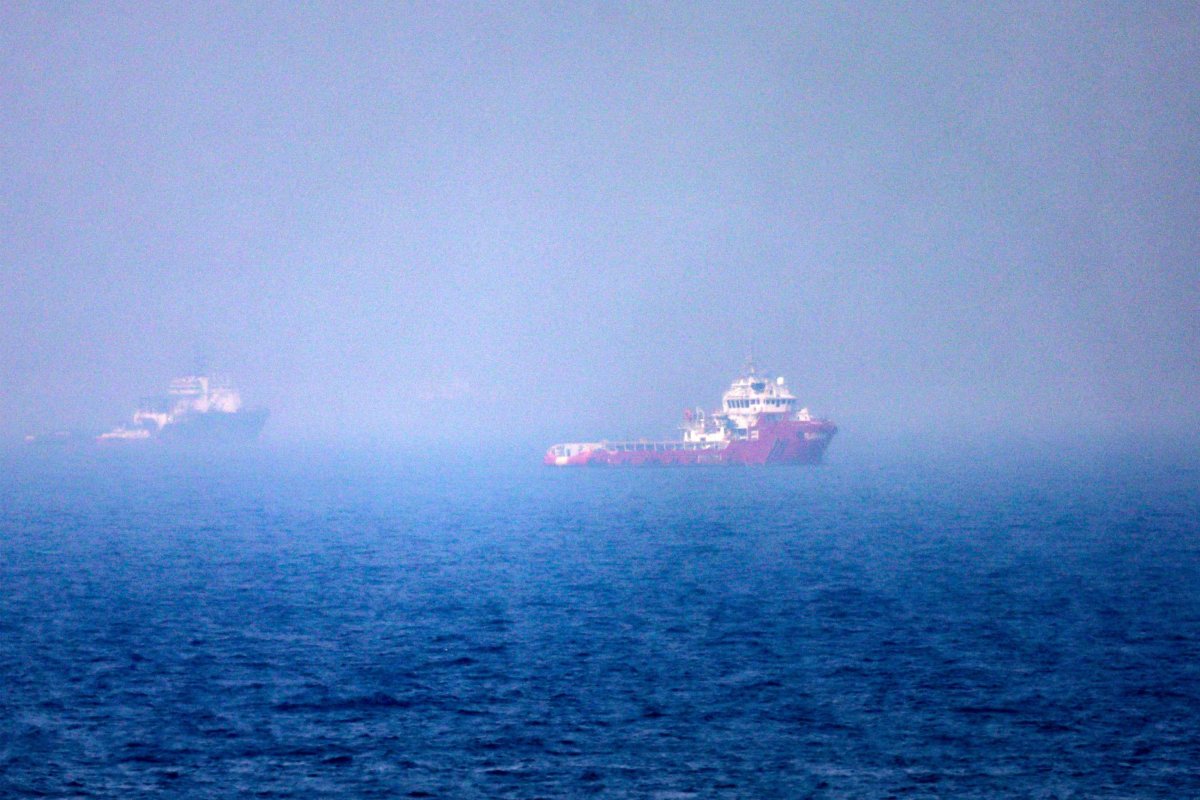
Iran Strait Crisis Escalates as Trump Announces Blockade Reinstatement The U.S. President Donald Trump stated on Monday that Washington would reinstate a naval blockade on Iran and seek 20 percent reimbursement on all cargo transiting the Strait of Hormuz. This followed Iranian Revolutionary Guard Corps announcements that the waterway had been closed and would require permits o
Details of the U.S. Announcement
Trump posted on Truth Social that the Strait of Hormuz remains open with or without Iran. He specified that the United States would collect 20 percent on every shipment to cover safety and security costs in the volatile area. The statement came after weekend exchanges of missile and drone strikes between U.S. and Iranian forces, with at least 25 deaths reported in Iran since hostilities resumed earlier in the week.
Iranian Revolutionary Guards Position
The IRGC declared on Saturday that passage through the strait was suspended. Tehran indicated on Sunday that permits would resume only after calm was restored. On Monday the Guards warned that ending U.S. military interventions was the sole path to normal shipping and that continued interference risked wider incidents in global oil and gas markets.
Energy Market and OPEC+ Pressures
Brent crude rose 4 to 5 percent to approximately 79 dollars per barrel on Monday. The episode raises questions about an interim U.S.-Iranian agreement reached last month that had aimed to keep the strait open during 60 days of talks. OPEC+ members hold spare capacity yet confront logistical hurdles in rerouting supplies quickly. China and India, the largest importers of Gulf oil, face immediate exposure to any sustained disruption.
Gulf States Strategic Calculus
Saudi Arabia and the United Arab Emirates are monitoring developments with concern. Both nations continue to advance economic diversification plans under Vision 2030 frameworks that depend on stable energy revenues and secure maritime routes. Any prolonged closure would test their ability to maintain fiscal targets while managing Sunni-Shia geopolitical competition across the region.
Turkey Mediation Offer and Regional Influence
Turkey has offered to mediate between the parties. President Recep Tayyip Erdogan’s government seeks to leverage its position amid neo-Ottoman foreign policy objectives. Ankara’s involvement could intersect with existing Arab-Israeli normalization efforts under the Abraham Accords, potentially complicating or facilitating de-escalation depending on how talks unfold.
Great Power Competition and Proxy Networks
The crisis occurs against a backdrop of great power competition involving the United States, China, and Russia in the Middle East. Iran’s regional proxy networks, including Hezbollah and Hamas, add layers of risk that extend beyond the strait itself. The nuclear program and associated IAEA monitoring remain central to any long-term resolution, as does the broader pattern of IRGC activities across the Gulf.
Outlook for Negotiations and Stability
The announced measures are coming into force following the latest IRGC statements, though enforcement details remain subject to operational realities. Observers note that logistical challenges for OPEC+ and the interests of major importers such as China and India will shape the pace of any diplomatic follow-through. Turkey’s mediation proposal and the positions of Saudi Arabia and the UAE will influence whether the interim agreement can be salvaged or whether wider incidents materialize. By Malik Hassan, Staff Writer
This article was produced with AI-assisted research and editorial support. Reporting is based on sources cited in the article.
What's Your Reaction?
 Like
0
Like
0
 Dislike
0
Dislike
0
 Love
0
Love
0
 Funny
0
Funny
0
 Wow
0
Wow
0
 Sad
0
Sad
0
 Angry
0
Angry
0

Middle East Correspondent at Global1.News. Based in Beirut, covering politics, conflict, energy, and society across the Middle East. Brings context and depth to a region often reduced to headlines.










Comments (0)