
Trump G7 Summit: Awkward Reunion with Starmer and World Leaders
Trump's Arrival in the French Alps Sets a Tense Stage President Donald Trump is set to arrive in France on Monday for a G7 summit, where he will meet with a diverse group of world leaders who share at least one common experience: all have either been the target of his ire or have navigated profoundly awkward diplomatic encounters with the U.S. leader. The gathering in the pictu
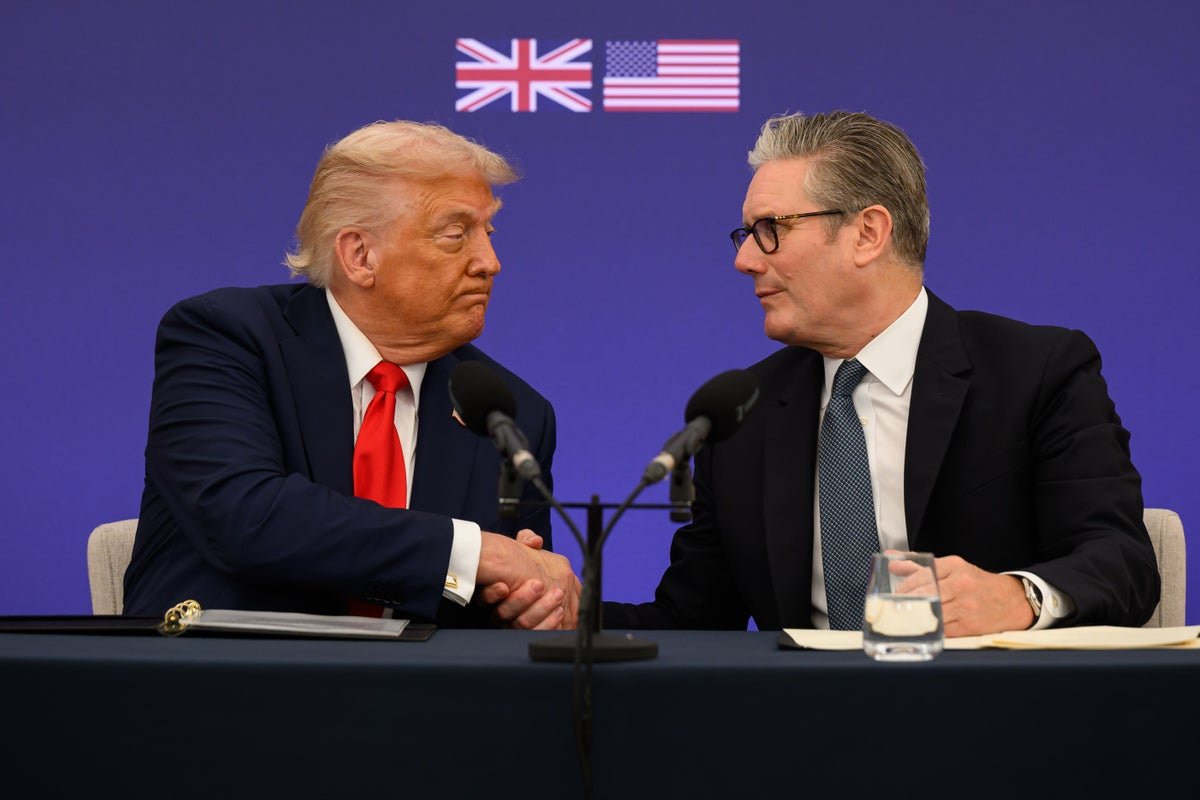
Trump's Arrival in the French Alps Sets a Tense Stage
President Donald Trump is set to arrive in France on Monday for a G7 summit, where he will meet with a diverse group of world leaders who share at least one common experience: all have either been the target of his ire or have navigated profoundly awkward diplomatic encounters with the U.S. leader. The gathering in the picturesque French Alps unfolds against the backdrop of recent military developments, with Trump having announced a peace deal with Iran. This marks his first face-to-face meeting with G7 counterparts since the Iran war, placing immediate pressure on personal and national relationships that have frayed in recent months.
The summit is expected to address the newly forged agreement aimed at ending the Iran war, alongside Chinese trade policy and Russia's ongoing war in Ukraine. Leaders arrive aware that Trump appears more determined than ever to pursue a unilateral path on matters of global consequence. Such dynamics suggest that discussions may test the limits of collective decision-making, particularly where past criticisms have already coloured interactions.
Personal Attacks Shape Diplomatic Encounters
Several G7 leaders have faced Trump's wrath for questioning his chosen war with Iran. Others have clashed with him over tariffs. The leaders of Japan and Germany, in particular, have endured clumsy asides from Trump regarding dark moments in their countries' histories. These exchanges have created an atmosphere where formal negotiations risk being overshadowed by lingering personal grievances, forcing participants to weigh responses carefully during the three days of talks.
The summit presents an opportunity for these leaders to reassess their relationships with Trump at a time when unilateral actions dominate his approach. With the peace deal with Iran now announced, attention turns to how such agreements might influence broader alliances. Leaders must navigate these waters while recalling prior exchanges that have left diplomatic ties strained and uncertain.
The UK Angle: Starmer Faces Direct Criticism
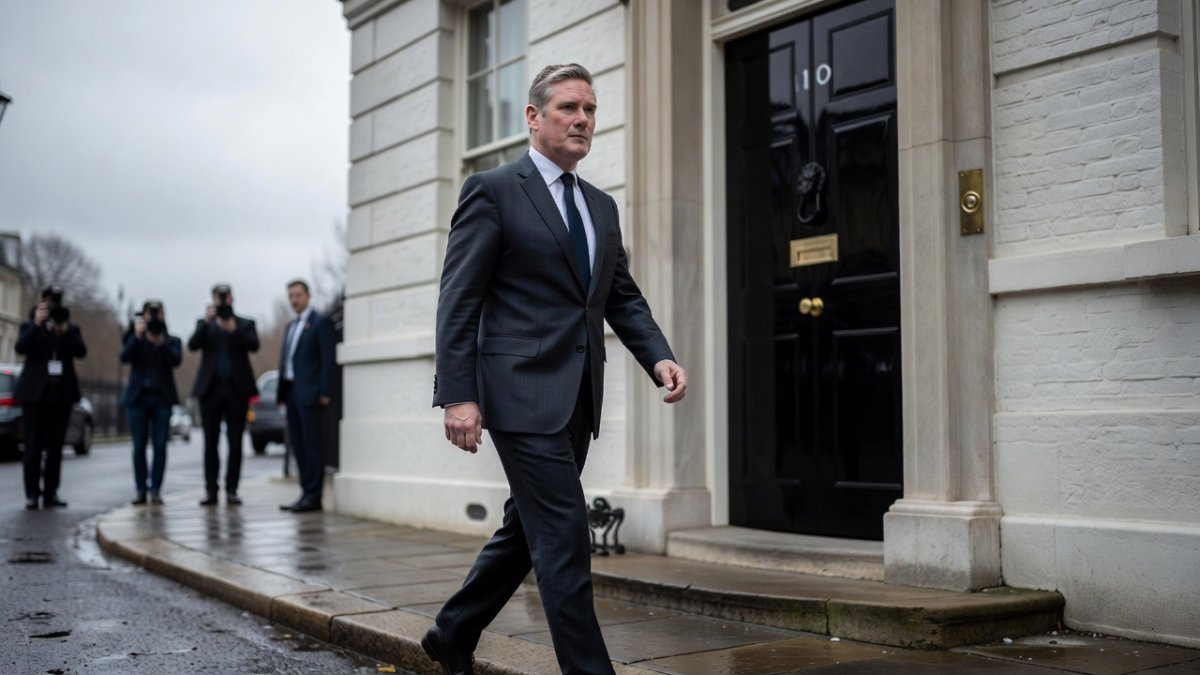
Trump's criticism of British Prime Minister Keir Starmer has centred on the United Kingdom's reluctance to assist U.S. military strikes on Iran, British immigration policies, and the country's renewable energy strategies. His most cutting jab came after the Labour Party leader initially declined to allow U.S. military jets to use a British base in the Indian Ocean for the bombardment of Iran. This is not Winston Churchill that we're dealing with, Trump said of Starmer, unfavourably comparing him to Britain's revered World War II-era prime minister.
In the early days of the Iran war, Trump tore into the prime minister after the U.K. placed the aircraft carrier HMS Prince of Wales on advanced readiness status for potential deployment to the Middle East. Starmer must now negotiate with a U.S. president who has publicly humiliated him, a situation that connects directly to Westminster's handling of defence commitments and foreign policy priorities. The episode highlights how UK decisions on military support have drawn sharp rebukes, complicating efforts to maintain steady transatlantic ties amid shifting global priorities.
Such public remarks underscore the challenges for the UK government in balancing domestic policies with international expectations. Immigration and renewable energy strategies, already under scrutiny from Trump, add layers to the negotiations ahead. Starmer's position requires careful calibration to address these criticisms without compromising established UK positions on sovereignty and strategic autonomy.
Awkward Exchanges Extend to Other G7 Partners
Trump has frequently fumed about trade imbalances with Canada, often opining about annexing the country and making it the 51st state. He has also taken to referring to Prime Minister Mark Carney as governor. These comments have injected additional friction into discussions that might otherwise focus on shared economic concerns, leaving Canadian representatives to manage both substantive trade issues and personal slights during the summit proceedings.
During an Easter lunch at the White House in April, Trump criticised France and other NATO countries' resistance to assisting the U.S.-Israel war against Iran. Trump referenced viral footage from the previous year showing Macron's wife, Brigitte, appearing to push the French president's face away. Italian Prime Minister Giorgia Meloni had been held in high regard by Trump, but he has since changed his tune as Italy declined to assist the United States in the war against Iran. I thought she had courage. I was wrong, Trump said of Meloni. These instances illustrate a pattern where personal observations intersect with policy disagreements, affecting the tone of multilateral engagements.
Agenda Items Reflect Ongoing Global Tensions
During three days of talks in the picturesque French Alps, the leaders are expected to discuss the newly forged agreement aimed at ending the Iran war, Chinese trade policy, and Russia's ongoing war in Ukraine. The peace deal announcement provides a focal point, yet the presence of multiple strained relationships suggests that progress on these fronts may depend on leaders' willingness to set aside prior grievances. Chinese trade and the Ukraine conflict add further complexity, requiring coordinated responses that have proven elusive in recent interactions.
The summit also presents an opportunity for these leaders to reassess their relationships with Trump at a time when he appears more determined than ever to pursue a unilateral path on matters of global consequence. With topics spanning military resolutions, economic policies, and regional conflicts, the French Alps venue becomes a testing ground for whether personal histories can be subordinated to collective interests. Outcomes remain contingent on how each participant manages the awkward undercurrents that have defined recent encounters.
Implications for Future Alliances and UK Positioning
The convergence of personal criticisms and policy disputes at this G7 gathering signals potential shifts in how alliances operate under sustained pressure. For the UK, the specific rebukes directed at Starmer over military support, immigration, and renewables highlight vulnerabilities in longstanding partnerships. As the summit unfolds, attention will centre on whether these tensions can be mitigated or if they will continue to influence UK approaches to defence and international cooperation in the months ahead.
Overall, the event underscores the challenges of diplomacy when individual leaders carry forward unresolved disputes. The announced peace deal with Iran offers one avenue for dialogue, yet the broader context of awkward reunions suggests that rebuilding trust will require deliberate effort from all parties involved. UK interests, tied closely to these dynamics, will depend on strategic navigation of the criticisms already voiced.
(Global 1 News)
By Erica Thornton, Staff WriterThis article was produced with AI-assisted research and editorial support. Reporting is based on sources cited in the article.
What's Your Reaction?
 Like
0
Like
0
 Dislike
0
Dislike
0
 Love
0
Love
0
 Funny
0
Funny
0
 Wow
0
Wow
0
 Sad
0
Sad
0
 Angry
0
Angry
0

US Politics and Policy Correspondent at Global1.News. Based in Washington DC, covering American politics, policy, elections, and the courts. Knows how the system works and tells you what it actually means.














Comments (0)