
Tensions Rise in the Gulf: Trinidad and Tobago Faces Venezuelan Claims Over May Oil Spill
Tensions Rise in the Gulf: Trinidad and Tobago Faces Venezuelan Claims Over May Oil Spill The Facts of the Spill On 1 May 2026 a small release of oil was reported in the waters of the Gulf of Paria that separate Trinidad and Tobago from Venezuela. Local operators described the incident as a contained event involving roughly ten barrels that was quickly brought under control wit
The Facts of the Spill
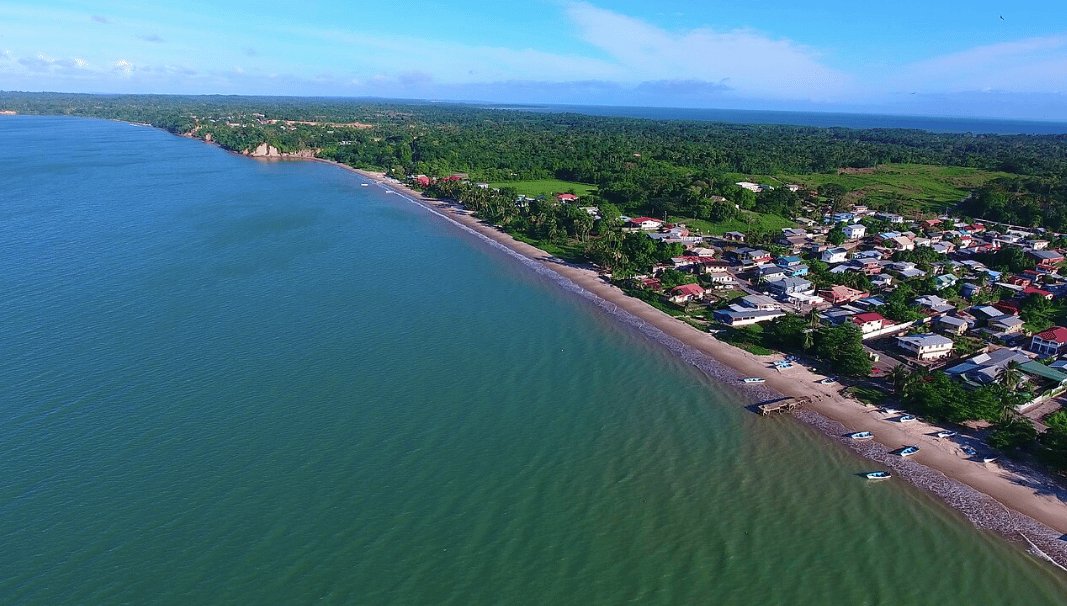
On 1 May 2026 a small release of oil was reported in the waters of the Gulf of Paria that separate Trinidad and Tobago from Venezuela. Local operators described the incident as a contained event involving roughly ten barrels that was quickly brought under control with booms and skimmers. The area lies close to existing platforms and pipelines that have long supported our energy sector, including the legacy fields once managed by Petrotrin and the routes that feed Atlantic LNG. Community fishermen in the south-west of Trinidad noted a brief sheen on the water that morning but reported no lasting impact on their daily catches.
Venezuela's Formal Demand
Caracas has now written to Port of Spain requesting detailed information and compensation, insisting that the spill originated inside Trinidadian waters and threatens shared marine habitats across the Gulf. Venezuelan officials argue that even a modest release can travel with the currents and affect sensitive coastal zones on their side of the border. The letter highlights the risk of damage to fisheries and mangroves that both nations rely upon for food security and livelihoods. This step marks a diplomatic escalation in a region where energy resources and environmental health are tightly linked to everyday survival.
Trinidad and Tobago's Response
The Government in Port of Spain has firmly rejected the Venezuelan account, describing the event as minor and swiftly managed. Officials stress that monitoring equipment and response teams acted within hours, limiting any spread. They point to the absence of widespread reports from local coastal communities and maintain that the ten-barrel figure reflects the true scale. In a region where the cost of living already weighs heavily on families, leaders are keen to avoid any perception that routine energy operations are being unfairly targeted. The Ministry of Energy continues to monitor the site and has invited technical discussions should further data be required.
Environmental Concerns in the Gulf of Paria
The Gulf of Paria remains a vital yet fragile ecosystem for both countries. Its shallow waters support diverse fish stocks, sea turtles and migratory birds that sustain coastal villages on either side. Small island developing states like ours already face rising sea levels and stronger storms linked to climate change; any additional stress from hydrocarbons adds to these pressures. Local environmental groups have long called for stronger joint monitoring, noting that pollution does not respect maritime boundaries. The incident, though limited in volume, has renewed conversations about protecting the Gulf for future generations who depend on its bounty for both income and cultural identity.
Broader Relations Between Trinidad and Tobago and Venezuela
Energy ties and border management have shaped relations between the two neighbours for decades. Trinidad and Tobago's liquefied natural gas exports and Venezuela's vast reserves create natural points of cooperation, yet overlapping maritime claims in the Gulf have occasionally produced friction. CARICOM has at times served as a quiet channel for dialogue, helping to keep lines open even when political temperatures rise. For ordinary citizens the stakes are practical: stable energy prices help ease household budgets, while secure borders support the free movement of goods and people that keeps our regional economy alive. Recent years have seen both nations navigate these issues through quiet diplomacy rather than confrontation.
What Happens Next
Both capitals have indicated a willingness to exchange technical information, though no formal meeting date has been announced. Observers expect continued correspondence through diplomatic channels, possibly with input from regional bodies that understand the shared realities of Caribbean energy and environment. In the meantime, coastal communities on both sides will continue their daily routines, watching the waters that have always connected rather than divided us. The episode serves as a reminder that careful stewardship of the Gulf remains essential for the well-being of families across the region.
By Sharon Sahatoo, Staff WriterThis article was produced with AI-assisted research and editorial support. Reporting is based on sources cited in the article.
What's Your Reaction?
 Like
0
Like
0
 Dislike
0
Dislike
0
 Love
0
Love
0
 Funny
0
Funny
0
 Wow
0
Wow
0
 Sad
0
Sad
0
 Angry
0
Angry
0

Caribbean Correspondent at Global1.News. Based in Port of Spain, Trinidad, covering Caribbean politics, economy, energy, climate, and culture. Amplifying the voices and stories of the Caribbean region.












Comments (0)