
A fresh accusation from Caracas over an alleged oil spill in the Gulf of Paria has once again stirred the shared waters between Trinidad and Tobago and Venezuela, raising questions about environmental safeguards, cross-border energy relations, and the livelihoods that depend on these seas. With Caracas demanding compensation and Port of Spain insisting the matter is contained, the incident highlights the delicate balance in this shared maritime zone.
The Venezuelan Accusation Caracas has come out swinging with strong words over what they describe as a serious oil spill in the shared Gulf of Paria. Venezuela's Foreign Affairs Minister Yván Gil has formally demanded information and compensation from Trinidad and Tobago, insisting the incident originated in our waters and threatens the delicate marine ecosystems both nations rely upon.
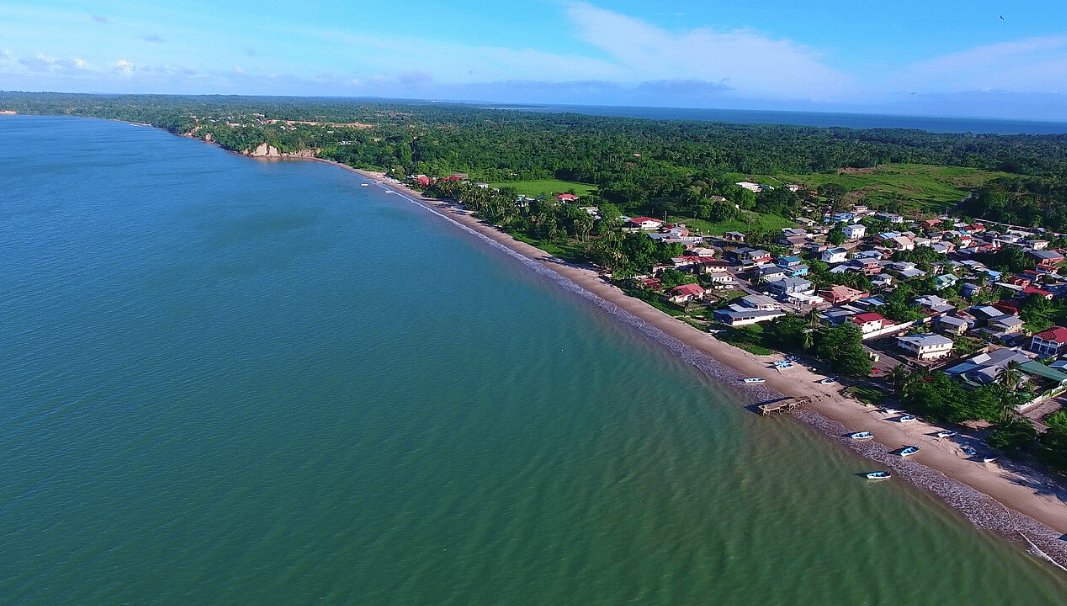
The Venezuelan Accusation
Caracas has come out swinging with strong words over what they describe as a serious oil spill in the shared Gulf of Paria. Venezuela's Foreign Affairs Minister Yván Gil has formally demanded information and compensation from Trinidad and Tobago, insisting the incident originated in our waters and threatens the delicate marine ecosystems both nations rely upon. Eco-Socialism Minister Freddy Ñáñez has announced permanent monitoring, claiming the slick could affect up to 1,600 square kilometres of Venezuelan marine territory and has already reached the northeastern coastline.
Yet both sides acknowledge that facts matter more than rhetoric, especially when livelihoods in fishing communities across the Gulf hang in the balance.
Yván Gil held his press conference in Caracas, laying out demands for compensation over the spill that Caracas insists began in Trinidadian waters. The claims point to specific stretches of Venezuela's northeastern coastline already touched by the slick, with warnings that up to 1,600 square kilometres of marine territory could face disruption. This exchange fits a longer pattern of oil spill complaints stretching back through years of regional diplomacy where energy prices and the cost of living in coastal communities have always hung in the balance.
Historical context shows how such accusations have flared during periods of shifting oil and gas relations, reminding us that even small incidents can strain the ties that keep energy flowing between Port of Spain and Caracas. The monitoring announced by Freddy Ñáñez adds another layer, as both sides weigh the real effects on marine life against the everyday realities of rising household costs tied to regional energy stability.
Trinidad and Tobago's Firm Stance
Port of Spain has pushed back firmly, describing the event as a minor spill of just ten barrels that was quickly contained. Officials here emphasise that Heritage Petroleum, which operates offshore fields near Point Fortin, acted swiftly to limit any damage. The government maintains that the claims from Caracas exaggerate the situation and risk stirring unnecessary alarm in an already sensitive border zone.
Government officials have pointed to the country's record of responsible stewardship of these waters, describing environmental protection and regional reliability as priorities for the energy sector.
The Shared Waters of the Gulf
The Gulf of Paria serves as a vital shared space for oil, gas, and fishing between Trinidad and Venezuela. For generations, families on both sides have drawn their living from these bountiful waters, where the sea connects us more than it divides. Any incident here carries weight far beyond political statements, touching the daily lives of fishermen and coastal communities who depend on clean seas for their catch.
Disputes like this remind us how interconnected our futures remain. A spill, however small, can ripple through the ecosystem and affect the colour of the waters that sustain us all.
Environmental Monitoring Efforts
Venezuela announced ongoing surveillance of the affected areas along its coastline, while Trinidadian authorities continue their own assessments near the reported source. Both sides recognise the need for careful observation, though they differ sharply on the scale of the problem. Environmental experts stress that even limited spills require vigilance to prevent long-term damage to mangroves and marine life.
Cooperation between the two nations has historically resolved similar disputes, and the Gulf remains a shared resource that neither side can afford to mismanage.
What This Means for Trinidadian Communities
Along Trinidad's west coast, from Point Fortin through La Brea to San Fernando, fishing families feel the immediate weight of any uncertainty in the Gulf of Paria, where their daily catch supports households already stretched by the cost of living and fluctuating energy prices. These communities have long relied on the shared waters for their livelihood, and concerns now turn to how even limited spills might affect the mangroves and fish stocks that sustain them.
Tourism and recreation along these shores add another layer of worry, with beachgoers and small operators mindful that clean waters draw visitors who boost incomes in areas where energy sector jobs have long been the backbone. The economic stakes for everyday people run deep, connecting directly to how disputes like this might shape future investment and the price of goods that arrive through our ports.
Implications for Energy Partnerships
The disagreement threatens to complicate important energy projects, including the bp Loran gas deal that promises significant benefits for both countries. Investors watch these developments closely, knowing that stable relations are essential for long-term success in offshore exploration. A prolonged row could delay progress and affect jobs on both sides of the border.
The bp Loran deal stands as a key thread in Trinidad's role as a regional energy hub, yet this dispute casts a shadow over how future exploration investment might unfold in the shared waters. Heritage Petroleum's operations near Point Fortin have long formed part of the balance that keeps gas flowing, but the current exchange with Caracas highlights the delicate diplomacy needed to protect those arrangements.
The broader Trinidad-Venezuela energy relationship, including the Dragon gas field development, shows how interconnected our futures remain when even minor incidents can ripple through investment decisions and regional supply lines. Officials in Port of Spain have always emphasised responsible stewardship, knowing that any perception of risk can affect the partnerships that help stabilise energy prices for families on both sides of the border.
Diplomatic Path Forward
Both governments have indicated a preference for direct talks to address the diverging accounts. The Gulf of Paria has been a zone of cooperation before, and clear data on the spill's volume and movement would help reduce uncertainty for communities and investors on either side of the border.
By Sharon Sahatoo, Staff WriterThis article was produced with AI-assisted research and editorial support. Reporting is based on sources cited in the article.
What's Your Reaction?
 Like
0
Like
0
 Dislike
0
Dislike
0
 Love
0
Love
0
 Funny
0
Funny
0
 Wow
0
Wow
0
 Sad
0
Sad
0
 Angry
0
Angry
0

Caribbean Correspondent at Global1.News. Based in Port of Spain, Trinidad, covering Caribbean politics, economy, energy, climate, and culture. Amplifying the voices and stories of the Caribbean region.












Comments (0)