
Yabloko Pro-Peace Candidates Cleared for Russia Duma Vote
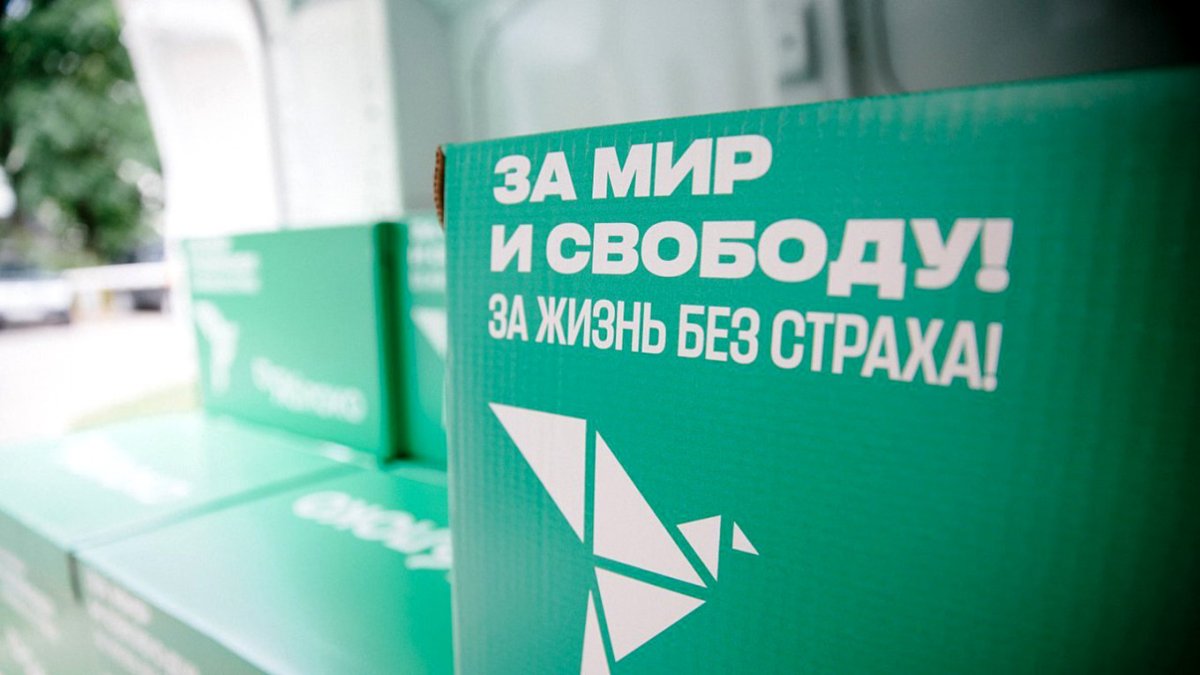
In a bold yet tightly managed signal from Moscow, Russia's Central Election Commission has cleared more than 400 Yabloko candidates to contest September's State Duma elections on an explicit pro-peace platform.
Yabloko Pro-Peace Candidates Cleared for Russia Duma Vote
Moscow, Russia — Article continues...
Central Election Commission Clears Yabloko for State Duma Contests
Russia's Central Election Commission has approved more than 400 candidates from Yabloko to compete in the September parliamentary elections. The decision permits the liberal party to field candidates on a platform that explicitly calls for a ceasefire agreement in Ukraine. Yabloko Chairman Nikolay Rybakov described the outcome as giving Russians a chance to vote for peace through legal channels.
Yabloko traces its roots to the early 1990s when Grigory Yavlinsky and fellow reformers established the party amid the chaotic transition from Soviet rule. Its founding principles emphasized democratic reforms, market economics with social protections, and a foreign policy oriented toward European integration. These origins positioned Yabloko as one of Russia's few consistent liberal voices during the turbulent post-Soviet decade.
The party's electoral history peaked with 7.9 percent of the vote in the 1995 Duma elections, securing a meaningful parliamentary presence. Subsequent decades saw steady decline as state-controlled media marginalized opposition messaging and administrative barriers mounted. By the 2010s, Yabloko struggled to surpass the five-percent threshold needed for proportional representation.
Scale of the Federal and Single-Mandate Lists
The approved roster includes 269 candidates on the party's federal list and 135 candidates in single-mandate districts across the country. This total exceeds 400 individuals cleared to appear on ballots for the State Duma. Election authorities had earlier identified discrepancies in documents for 25 candidates, yet only one was ultimately removed after the party submitted corrected filings. Other parties cleared for the same contests include United Russia, the Communist Party, LDPR, New People, A Just Russia, and two additional parties without current Duma seats.
United Russia represents the ruling establishment with its emphasis on stability and centralized authority. The Communist Party maintains a nostalgic base focused on social welfare and anti-Western rhetoric, while LDPR projects nationalist populism. New People and A Just Russia occupy narrower niches as managed alternatives that rarely challenge core Kremlin policies on security matters.
Significance of a Pro-Peace Platform in National Races
The explicit pro-peace stance marks a departure from the tightly controlled messaging that has dominated recent national campaigns. Rybakov stated that the registration offers Russians a lawful avenue to advocate for an end to hostilities. This development occurs alongside approvals granted to United Russia, the Communist Party, LDPR, New People, and A Just Russia. Analysts at the Carnegie Endowment interpret this clearance as a calculated allowance rather than a genuine opening, noting that similar limited access has been granted to select parties in past cycles to channel public sentiment without altering power structures.
Advocating peace carries heightened risks in the post-2022 environment of tightened laws against discrediting the military. Yabloko's platform stands out precisely because most registered parties have aligned with official narratives or remained silent. Levada Center surveys from 2023-2024 indicate that roughly 40-45 percent of Russians favor negotiations to end the Ukraine conflict, though open expression of such views remains constrained by legal and social pressures.
Document Review and the Limited Disqualification
Commission scrutiny focused on 25 Yabloko applications earlier this month. After revisions, authorities disqualified only a single candidate. The party characterized the federal process as completed but warned of a difficult campaign period leading to the September vote. Rybakov noted that supporters have expressed solidarity through letters and comments received by the organization. Perspectives from Levada Center analysts balance this by noting that similar document hurdles affect all minor parties, though Yabloko's peace focus invites extra vigilance from security structures shaping foreign policy debates.
Public opinion data from Levada shows consistent though cautious support for diplomatic solutions, with majorities opposing further escalation yet reluctant to voice dissent publicly. This polling context helps explain why authorities permitted Yabloko's federal list while maintaining strict oversight elsewhere.
Rejections at Regional and Municipal Levels
The federal clearance stands in contrast to outcomes in simultaneous regional and local contests. Dozens of Yabloko members have had their candidacies blocked by lower-level election bodies. These rejections limit the party's ability to expand its footprint beyond the national parliament and illustrate uneven application of registration rules across different tiers of government. Other parties like A Just Russia have faced parallel local blocks, leading analysts to view this as a deliberate federal-local divide that preserves national optics of competition while entrenching United Russia dominance at grassroots levels.
Kremlin Strategy Toward Controlled Opposition
Allowing Yabloko limited access to the State Duma ballot aligns with established patterns of managed pluralism. The Kremlin has long permitted select non-ruling parties to participate in national elections while restricting their reach at the local level. This approach preserves an appearance of competition without threatening the dominance of United Russia or the broader security apparatus that shapes policy on foreign affairs. United Russia representatives have framed the move as evidence of Russia's vibrant multiparty system, contrasting it with what they call Western interference in domestic affairs.
Observers draw parallels to the 2011 protest cycle when limited opposition access helped defuse street demonstrations without ceding real power. The current strategy similarly channels anti-war sentiment into ballots rather than unsanctioned gatherings.
Detentions of Party Members and Campaign Outlook
Several Yabloko members have faced imprisonment in recent years on charges tied to their public criticism of the full-scale invasion of Ukraine. These cases underscore the risks attached to open dissent even within approved political structures. The party has indicated it will proceed with the campaign while acknowledging the constraints imposed by both legal and extralegal pressures. Carnegie Endowment analysts suggest this signals engineered containment that neutralizes genuine opposition threats through calibrated inclusion rather than outright bans that could spark international scrutiny.
Broader Implications for Russia's Political Landscape
The combination of federal approvals and local exclusions creates a mixed environment for opposition activity ahead of the September vote. Rybakov emphasized that the clearance provides a platform for voters seeking alternatives to the dominant narrative on Ukraine. Independent observers note that while the decision allows symbolic participation, the overall architecture of managed democracy remains intact. LDPR figures have praised the system as stable pluralism, whereas analysts frame the selective tolerance as a pressure valve to channel anti-war sentiment into electoral processes rather than street protests.
Levada Center findings reinforce that a substantial minority continues to favor negotiated settlements, suggesting latent demand for Yabloko's message despite media restrictions. The party's historical trajectory from 1990s prominence to marginalization illustrates how such openings rarely translate into lasting influence under current conditions.
By Irina Volkov, Staff WriterThis article was produced with AI-assisted research and editorial support. Reporting is based on sources cited in the article.
What's Your Reaction?
 Like
0
Like
0
 Dislike
0
Dislike
0
 Love
0
Love
0
 Funny
0
Funny
0
 Wow
0
Wow
0
 Sad
0
Sad
0
 Angry
0
Angry
0
Russia/Eastern Europe Correspondent at Global1.News. Covering Russian politics, energy, security, and the shifting dynamics of the post-Soviet space. Provides clear-eyed analysis on one of the world's most opaque regions.









Comments (0)