
Putin Rejects Peace Push, Prepares to Escalate Ukraine War as NATO Summit Concludes
Folks, the drums of war just got louder, and Vladimir Putin isn’t blinking. While the world watched the NATO Summit wrap in Ankara, the Russian leader sent a clear message through back channels: no peace talks, no compromises, just escalation. This isn’t bluster. It’s a calculated pivot that drags this grinding conflict deeper into its fifth year, with fresh risks spilling past
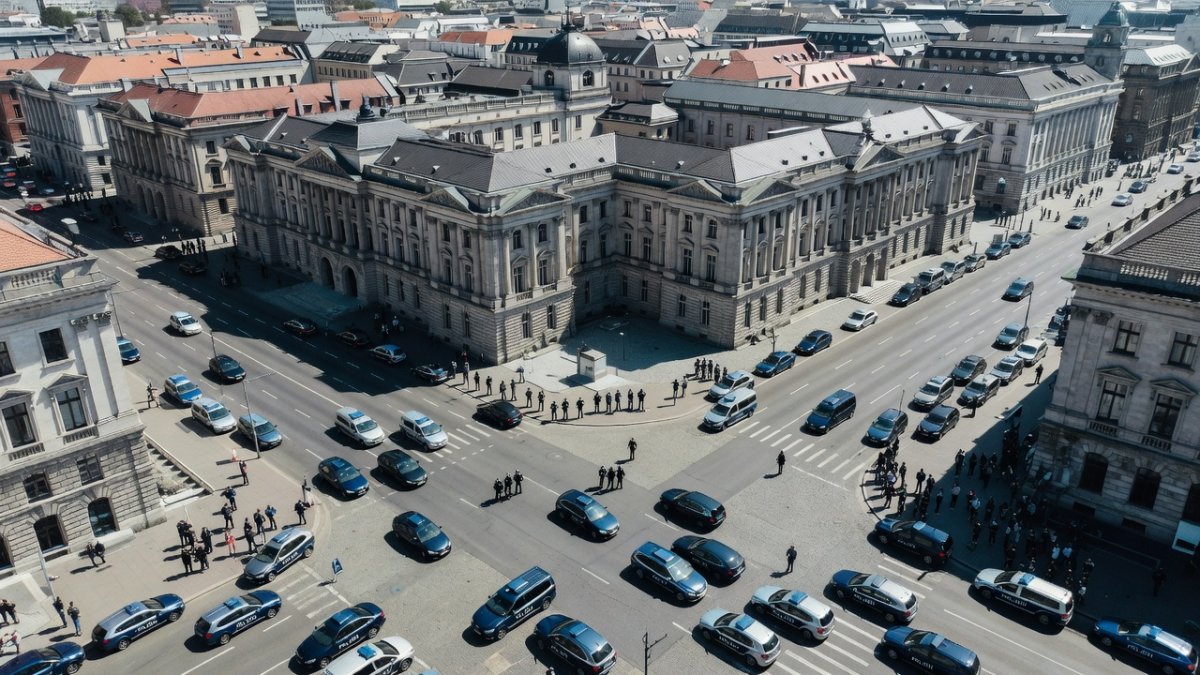
Folks, the drums of war just got louder, and Vladimir Putin isn’t blinking. While the world watched the NATO Summit wrap in Ankara, the Russian leader sent a clear message through back channels: no peace talks, no compromises, just escalation. This isn’t bluster. It’s a calculated pivot that drags this grinding conflict deeper into its fifth year, with fresh risks spilling past Ukraine’s borders. Three separate intelligence channels confirmed the same line last week—Putin has green-lit deeper strikes and fresh mobilization waves that could push Russian casualties past the 500,000 mark by spring.
The message landed like a hammer. After months of quiet probing by Turkish and Indian intermediaries, Moscow slammed the door on any deal that leaves Ukraine intact as a sovereign state. That decision follows directly from the 2022 invasion’s failure and the 2014 Crimea grab that started this cycle. Putin now treats every Ukrainian drone hit on Russian soil as proof that only total victory prevents NATO bases on his border. The calculation is cold: Russia’s population and factories can absorb more pain than the West will tolerate.
The Kremlin Draws a Line in the Sand
Three sources close to the Kremlin laid it bare in a Reuters exclusive this week: Putin has rejected every overture to negotiate with Kyiv. Instead, he’s ordering his generals to prepare for intensified operations. This isn’t a sudden shift. It follows years of attritional fighting that began with the 2022 full-scale invasion, itself rooted in Moscow’s 2014 annexation of Crimea and proxy war in Donbas. Putin sees compromise as weakness, and Ukraine’s battlefield resilience has only hardened that view. One senior aide told Reuters the president believes any pause now would hand Kyiv time to rebuild its army with Western tanks and jets.
Historical context matters here. After the failed 2022 push on Kyiv and the bloody stalemate around Bakhmut and Avdiivka, Russian forces adapted to a war of drones, artillery, and slow territorial gains. Now, with Ukraine striking deep into Russian territory, the Kremlin views any pause as surrender. One insider told Reuters that Putin believes time favors Russia’s larger population and industrial base, even as sanctions bite. Defense Minister Sergei Shoigu reportedly briefed the Security Council last month that Russia can sustain 3,000 artillery shells per day through 2026 without touching strategic reserves.
Geopolitically, this rejection signals Moscow’s bet that Western unity will fracture. European fatigue is real, and Putin calculates that prolonged fighting will expose cracks in NATO’s resolve. The result? A frozen conflict turns into a slow-motion Russian victory unless something breaks the deadlock. Polish Foreign Minister Radosław Sikorski warned in a Warsaw speech that “every month of delay multiplies the price in blood and treasure.”
Ordinary Russians feel the shift already. Factory towns in the Urals have seen quiet conscription sweeps targeting men aged 25 to 40, while state media ramps up rhetoric framing the war as an existential fight against NATO. Families in Rostov and Belgorod report sons returning in sealed coffins with no public funerals allowed. The human cost inside Russia is no longer abstract—it is measured in empty school desks and shuttered small businesses.
Ukraine’s Drone Offensive Rattles Moscow
Ukraine’s three-day drone blitz changed the equation. Strikes hit 21 Russian vessels and multiple oil refineries, including a devastating blow to the St. Petersburg oil terminal confirmed by both AP and BBC. These attacks didn’t just destroy hardware; they exposed vulnerabilities in Russia’s rear areas that Moscow thought were safe. Fuel shortages followed fast, forcing Russia to ban diesel exports and revealing how brittle its logistics remain. Ukrainian sources claim the operation cost Moscow roughly $1.2 billion in damaged assets and lost output.
The human cost lands heaviest on Russian civilians near these targets. Port workers and refinery staff face disrupted lives and economic pain, while Ukrainian cities continue absorbing nightly missile barrages. Conscription waves in both countries keep pulling young men from factories and farms, emptying villages on either side of the border. In Russia’s Bryansk region, local hospitals quietly admitted dozens of burn victims after one drone strike on a fuel depot, according to an anonymous medic who spoke to Radio Free Europe.
Putin’s response has been defiance, not retreat. The strikes strengthened his hand domestically by framing the war as existential defense against NATO encroachment. Ukraine’s intelligence now warns of possible new fronts opening beyond current lines, a direct consequence of Moscow’s refusal to de-escalate. Satellite imagery analyzed by the Institute for the Study of War shows Russian engineers already digging new defensive lines 40 kilometers inside occupied territory.
Yet the drone campaign also carries risks for Kyiv. Each successful hit deep inside Russia invites heavier retaliation against Ukrainian cities. Power grids in Kharkiv and Odesa have already suffered repeated blackouts this month, leaving families without heat as temperatures drop. The cycle of strike and counter-strike shows no sign of slowing.
NATO’s Ankara Summit: Unity or Illusion?
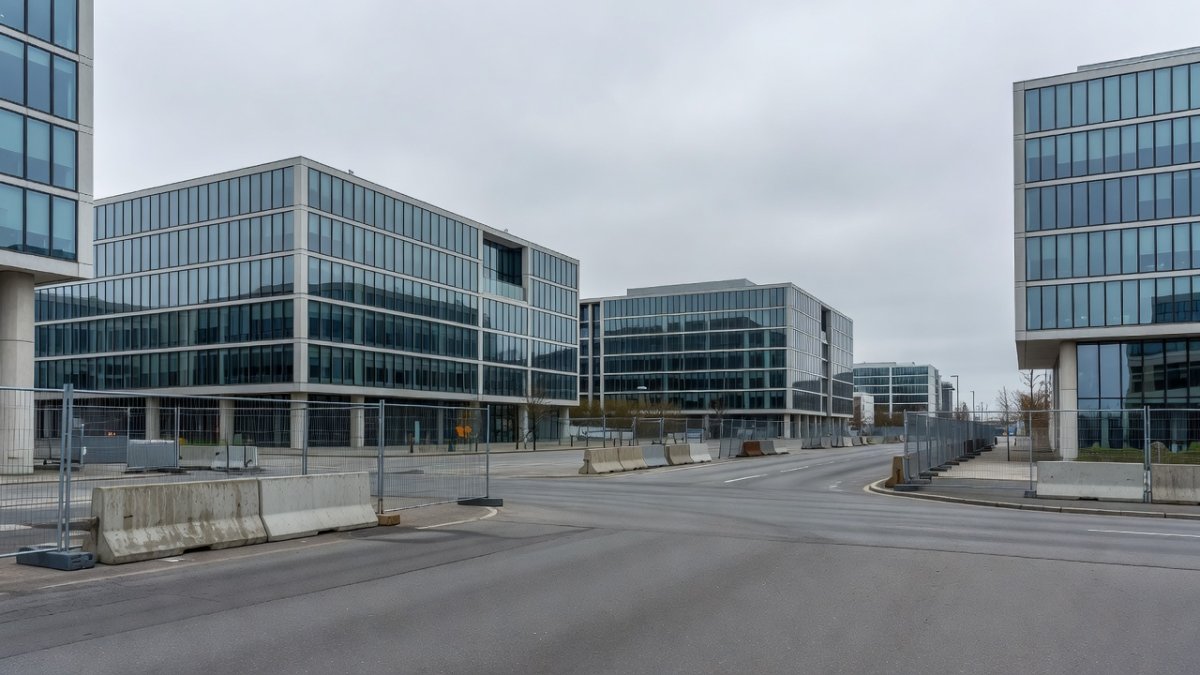
The NATO Summit concluded with fresh pledges on defense spending hikes and capability building for Ukraine. Member states committed to sustained arms flows and training programs, yet the fine print shows uneven delivery timelines. Eastern flank nations like Poland and the Baltics pushed hardest, while some southern members remain distracted by migration and energy costs. Poland alone pledged to raise its defense budget to 4 percent of GDP next year, the highest in the alliance.
Analysis of these commitments reveals a long game. NATO is shifting from emergency resupply to industrial-scale production of artillery shells and air-defense systems. This matters because Russia’s economy has already pivoted to wartime footing, churning out munitions at a pace Western democracies struggle to match without major budget reallocations. The U.S. alone plans to produce 100,000 155mm shells monthly by mid-2025, but current output sits at just 28,000.
European allies face direct pressure on their taxpayers. Increased defense budgets mean less for social programs at home, a political risk few leaders want to advertise. Still, the alternative—watching Putin redraw maps by force—carries its own long-term price tag in lost stability and higher future security costs. German Chancellor Olaf Scholz faces growing domestic protests over the €100 billion defense fund that has yet to deliver promised tanks to Ukraine.
Behind closed doors, officials admit the gap between promises and battlefield reality remains wide. One NATO military planner told Reuters that Ukraine needs at least 50 additional Patriot batteries to protect its cities, yet only seven are currently pledged. The numbers tell a story of slow motion that Moscow is counting on.
Trump’s Phone Calls Fall on Deaf Ears
Donald Trump reportedly dialed both Putin and Zelenskyy in a last-ditch peace push. Kremlin sources say the conversations changed nothing. Putin remains uninterested in any deal that leaves Ukraine with meaningful sovereignty over Donbas or Crimea. The former president’s stated goal of quick resolution now collides with Moscow’s maximalist demands. A Kremlin transcript leaked to Bloomberg showed Putin repeating the same territorial red lines he set in 2022.
This puts Washington in an awkward spot. American voters want an end to blank-check support, yet abandoning Kyiv risks emboldening adversaries in Asia and the Middle East. Historical parallels to Afghanistan’s collapse linger in every briefing room. A senior Pentagon official warned that a sudden cutoff could see Russian forces reach the Dnieper River within six months.
Named officials have stayed cautious. A senior State Department source noted that any deal must include ironclad security guarantees, something Putin has repeatedly rejected. The gap between rhetoric and reality keeps widening. Congressional leaders on both sides now quietly discuss conditioning future aid on Ukrainian battlefield progress rather than open-ended checks.
American families feel the political strain too. Polls show support for Ukraine aid has dropped from 65 percent in 2022 to 42 percent today, according to a recent Pew survey. The domestic debate is no longer abstract—it shapes whether the next aid package even reaches the floor.
Putin’s Eyes on Donbas and Beyond
Full control of Donbas remains Putin’s minimum demand. Ukrainian intelligence reports signals that Russian forces may test new axes of advance, possibly probing toward Odesa or even testing NATO’s Article 5 boundaries through hybrid means. These moves would expand the conflict’s geographic scope dramatically. Russian troop concentrations near the Moldovan border have increased by 30 percent since September, per NATO satellite data.
Context from 2014 onward shows Putin’s pattern: seize territory, freeze the line, then press again when the West looks away. Each cycle displaces more civilians and deepens generational trauma across eastern Ukraine. The city of Mariupol, once home to 450,000 people, now holds fewer than 100,000, most living without reliable electricity or running water.
Geopolitical fallout could redraw Europe’s security map. If Russia succeeds in carving out a land bridge to Transnistria or threatening Moldova, neutral states may rush toward NATO membership faster than alliance planners can absorb. Finland and Sweden’s rapid accession already shows how quickly borders can shift when security fears spike.
Local communities along these potential new fronts live in constant uncertainty. Farmers in southern Ukraine have stopped planting winter wheat in fields within 20 kilometers of the current line, fearing artillery duels will destroy any harvest. The economic damage compounds with every new Russian probe.
The Energy War
Ukraine’s precision strikes on Russian refineries have already removed 15 percent of Moscow’s domestic fuel processing capacity, according to energy analysts at S&P Global. The immediate result is a Russian ban on diesel exports that has driven European wholesale prices up 22 percent in three weeks. American drivers are beginning to notice the difference at the pump, with national averages climbing past $3.80 per gallon in several states.
Winter heating costs across Europe now hang in the balance. Germany’s largest utility warned that a sustained cutoff of Russian diesel could add €400 to the average household energy bill this season. Eastern European countries that still rely on Russian pipeline products face even steeper spikes. The ripple reaches Qatar and the United States, where LNG export terminals are running at full capacity to fill the gap.
Putin is betting that higher prices will eventually fracture Western political will. Each additional refinery hit raises the stakes, yet it also accelerates Europe’s long-term pivot to renewables and American LNG. Norway and the U.S. together supplied 62 percent of Europe’s gas imports last quarter, a complete reversal from 2021 patterns.
The human impact is immediate for families already stretched thin. In Poland, pensioners report turning thermostats down to 16 degrees Celsius to afford groceries. In Ukraine, repeated strikes on its own energy grid have left entire apartment blocks without heat, forcing residents to crowd into heated shelters or flee westward.
The Human Toll
Behind every headline sit shattered families. Ukrainian conscription has lowered the draft age twice, pulling fathers and sons into uniform while hospitals overflow with wounded. Russian regions far from Moscow report quiet funerals and missing sons whose bodies never return. The UN Human Rights Monitoring Mission has documented more than 10,000 civilian deaths in Ukraine since 2022, though the real figure is believed to be far higher.
Displacement numbers keep climbing past eight million refugees. European cities strain under housing shortages and school overcrowding, while Ukraine’s own internally displaced population faces winter without reliable heat after repeated strikes on energy infrastructure. In Lviv, schools now run double shifts to accommodate 40,000 new children from the east.
The psychological scars will outlast the fighting. Children on both sides grow up knowing only war, a generation primed for future conflict unless leaders find an off-ramp that currently does not exist. Ukrainian psychologists report a 300 percent rise in adolescent anxiety disorders since the invasion began.
Russian families in remote regions suffer in silence. State media suppresses casualty lists, yet local social media groups fill with coded messages about “our boys who won’t be coming home.” The generational wound in both nations is already measurable in falling birth rates and rising emigration among the young.
What You Can Do
Contact your congressional representatives today and demand they tie future Ukraine aid to clear production targets for artillery and air defense, not blank checks. Specific legislation already exists in both chambers that would accelerate domestic munitions output—call and reference bill numbers to make your voice count.
Support verified humanitarian organizations delivering winter aid inside Ukraine, such as those providing generators and medical supplies to frontline hospitals. Avoid unvetted fundraisers; stick to groups with transparent reporting on where every dollar reaches civilians.
Stay informed through primary sources rather than social media echo chambers. Follow daily updates from the Institute for the Study of War and official Ukrainian and Russian energy ministry releases so you understand the real stakes before the next escalation cycle begins. The next six months will decide whether this war grinds on or finally finds an off-ramp. By Jessica Ali, Lead Anchor — Global 1 News
This article was produced with AI-assisted research and editorial support. Reporting is based on sources cited in the article.
What's Your Reaction?
 Like
0
Like
0
 Dislike
0
Dislike
0
 Love
0
Love
0
 Funny
0
Funny
0
 Wow
0
Wow
0
 Sad
0
Sad
0
 Angry
0
Angry
0

Editor-in-Chief at Global1.News. Atlanta-based journalist who cuts through the BS and tells it like it is. Lead anchor, host, and the voice you hear when the spin stops and the truth starts.












Comments (0)