
The Polygamist: Netflix Zulu Drama Takes Africa by Storm
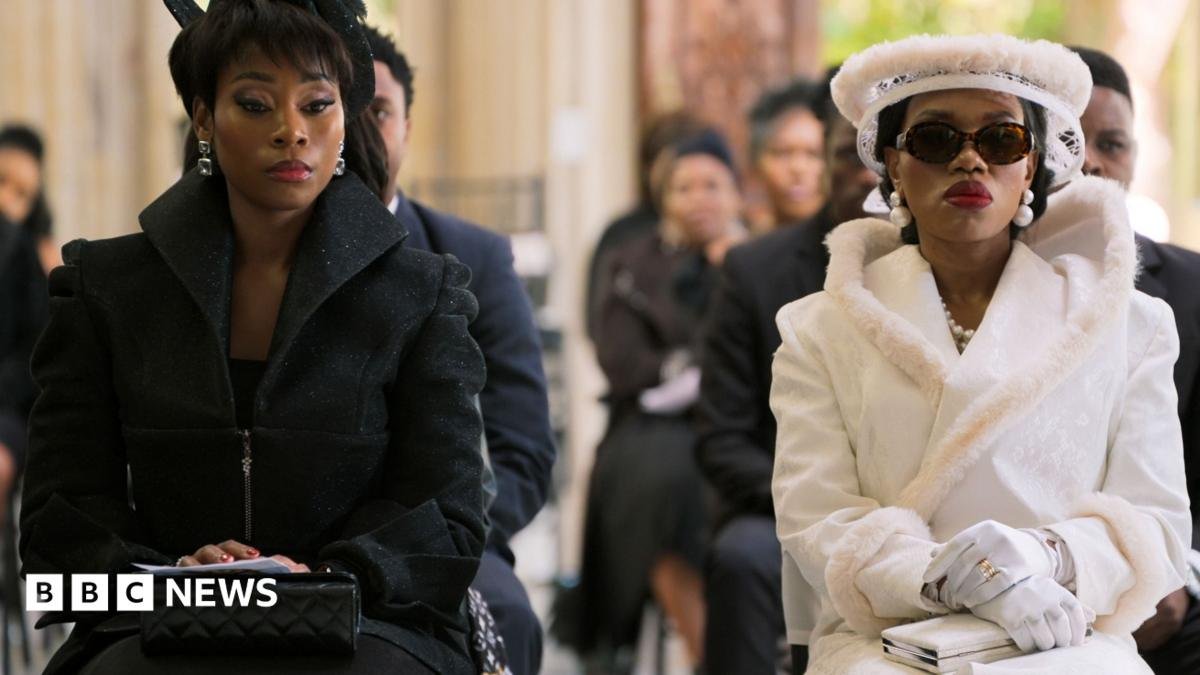
The Show That Has Everyone Talking Joyce Gomora with the other wives at the funeral. (BBC News) The Polygamist arrived on Netflix on 12 June as a 22-episode Zulu-language drama and quickly became one of the platform’s most discussed titles across Africa and beyond. Set in Johannesburg, the series follows the life of wealthy businessman Jonasi Gomora and the four women connected
The Show That Has Everyone Talking
Joyce Gomora with the other wives at the funeral. (BBC News)
The Polygamist arrived on Netflix on 12 June as a 22-episode Zulu-language drama and quickly became one of the platform’s most discussed titles across Africa and beyond. Set in Johannesburg, the series follows the life of wealthy businessman Jonasi Gomora and the four women connected to him: three wives and one mistress. The story opens at his funeral, where his widow Joyce, dressed in white as a social media influencer, discovers she is not the only partner present. The other two wives and the mistress arrive in black, and long-buried secrets surface in front of family and friends.
From that dramatic starting point the narrative moves back five years to trace how the relationships formed and how they unravelled. Viewers see the daily realities of a large household, the financial pressures, and the emotional toll on everyone involved. Within hours of release the show dominated local trend lists, and conversations spilled onto social media with memes, personal stories, and heated debates about marriage and trust.
How African Stories Travel Farther Than Before
The success of The Polygamist reflects a wider shift in how African entertainment reaches audiences. Nollywood films have long travelled across the continent through informal networks, while Afrobeats tracks now top global charts. Streaming platforms have added another layer by giving scripted series the same wide distribution. A Zulu-language production can now sit alongside content from Nigeria, Ghana, and Kenya on the same homepage, allowing viewers in different countries to discover stories rooted in specific local realities.
This moment matters because it shows that language and cultural detail do not have to be barriers. When a show centres Zulu family dynamics yet attracts viewers in Mauritius, Trinidad and Tobago, Romania, and the Dominican Republic, it signals that global audiences are ready for narratives that do not translate every reference for outsiders. The same pattern appears when Afrobeats songs keep their original lyrics or when Nollywood stories retain their Lagos settings. Audiences are meeting African creators on their own terms.
Celebrity Reactions and Everyday Conversations
High-profile names helped amplify the conversation. Nigerian Afrobeats star Davido posted a simple reaction: “Yo JONASI is WILD.” American talk-show host Sherri Shepherd wrote on Instagram that she thought Crazy Rich Asians was something, but “crazy rich Africans is a whole ’nother level.” Actress Taraji P. Henson replied that the series had her in a “chokehold” and that she finished it in one day. These comments travelled quickly across platforms and encouraged more people to press play.
Closer to home, the show’s reach showed up in unexpected places. In Nairobi, some matatu taxis were decorated with images of Jonasi Gomora, turning daily commutes into rolling discussions about the characters. In South Africa and Kenya the series ranked as the most watched title on Netflix during its first week, while Nigeria and Mauritius placed it inside their top ten lists. Globally it recorded two million views and reached number four on Netflix’s non-English series chart.
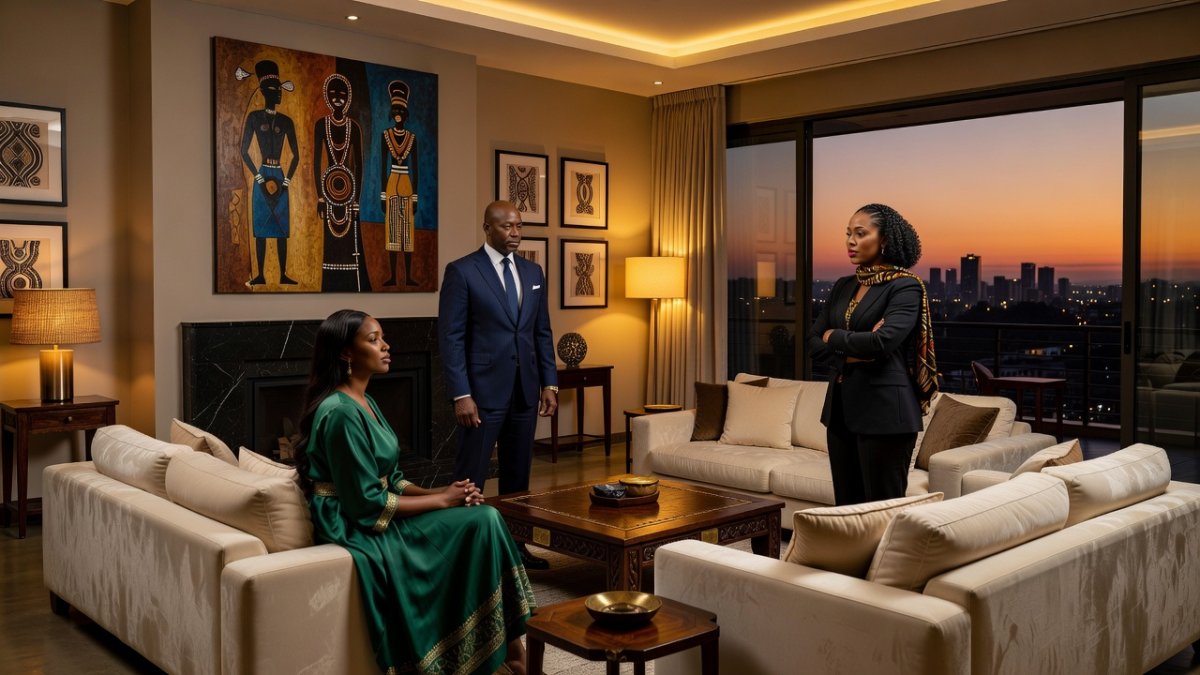
Johannesburg high society — the world of Jonasi Gomora. (Global 1 News)
Polygamy on Screen and in Real Life
The series does not treat polygamy as a simple backdrop. It examines the practical challenges that arise when multiple households share one man’s attention and resources. Storylines touch on sexually transmitted diseases, gender-based violence, and the lasting trauma these issues create within families. One plotline centres on HIV, a subject that carries particular weight in South Africa where 13 percent of the population lives with the virus. The show presents these elements without offering easy answers, leaving viewers to weigh the personal costs for themselves.
Public reactions have been divided. Kenyan civil servant Geoffrey Mosiria called for the series to be banned in his country, arguing that it portrays polygamy unfairly. He described himself as the product of a happy polygamous home—his father had three wives and twenty-two children—and insisted that polygamy remains a valid path to love in Kenya. South African critic Phil Mphela offered a different view, noting that the drama focuses less on cultural tradition and more on the husband’s narcissistic behaviour. Both perspectives have kept the conversation alive in homes, offices, and online spaces.
The Zuma Family’s Direct Hand in the Story
Executive producers Gugu Zuma-Ncube and Thuli Zuma brought personal knowledge to the project. As daughters of former South African president Jacob Zuma, they grew up inside a polygamous household. Jacob Zuma, now 84, has four wives, has been married six times, and is estimated to have twenty children. Gugu Zuma-Ncube told the BBC that many scenes draw directly from their lived experience. “A lot of the scenes that you see in the show are taken directly out of our lives,” she said. Their involvement gave the writers access to details that outsiders might miss, from the rhythms of shared family events to the quiet negotiations that keep large households functioning.
The producers have remained measured about future seasons. When asked whether a second season is planned, Gugu Zuma-Ncube said the team will be guided by the story and the audience, adding that “who knows where we end up.” Viewers have already begun asking for more episodes, suggesting the characters and conflicts struck a chord that extends beyond one country.
What Comes Next for African Content
The Polygamist demonstrates that African stories can hold global attention when they are allowed to keep their original language, settings, and cultural references. The same forces that lifted Afrobeats into worldwide playlists and carried Nollywood films across borders are now working for long-form drama. Production companies such as Stained Glass TV, working with Netflix, are creating space for writers and actors who understand the nuances of their own societies.
For audiences on the continent the series offers a mirror that is sometimes uncomfortable but always recognisable. For viewers elsewhere it provides a window into family structures and social debates that rarely appear on international screens. As more African productions follow this path, the range of stories available will continue to widen, giving voice to experiences that have long existed outside the global spotlight.
By Amara Diop, Staff WriterThis article was produced with AI-assisted research and editorial support. Reporting is based on sources cited in the article.
What's Your Reaction?
 Like
0
Like
0
 Dislike
0
Dislike
0
 Love
0
Love
0
 Funny
0
Funny
0
 Wow
0
Wow
0
 Sad
0
Sad
0
 Angry
0
Angry
0

West Africa/Sahel Correspondent at Global1.News. Dakar-based journalist covering politics, security, climate, and development across Francophone and Anglophone West Africa. Tells the stories of a region undergoing profound transformation.











Comments (0)