
The Lebanon Impasse Tests Fragility of Trump's Iran Ceasefire Framework
The Lebanon Impasse Tests Fragility of Trump's Iran Ceasefire Framework In a recent CGTN report examining whether the Lebanon sticking point will derail Trump's Iran deal, analysts highlighted how Israeli ground operations in southern Lebanon have become the central obstacle to finalizing a US-brokered ceasefire with Tehran. The report underscores that while the Trump administr
The Core Sticking Point in Southern Lebanon
Israeli forces have conducted their deepest ground incursion into southern Lebanon since the 1982-2000 occupation period. Operations around Beaufort Castle and sustained airstrikes on Tyre have intensified, with reports indicating 12 fatalities on June 6, 2026, including a Hezbollah brigadier general. Hezbollah's subsequent rocket barrages into northern Israel have escalated in range and frequency, creating a cycle that directly implicates Iran through its longstanding support for the group.
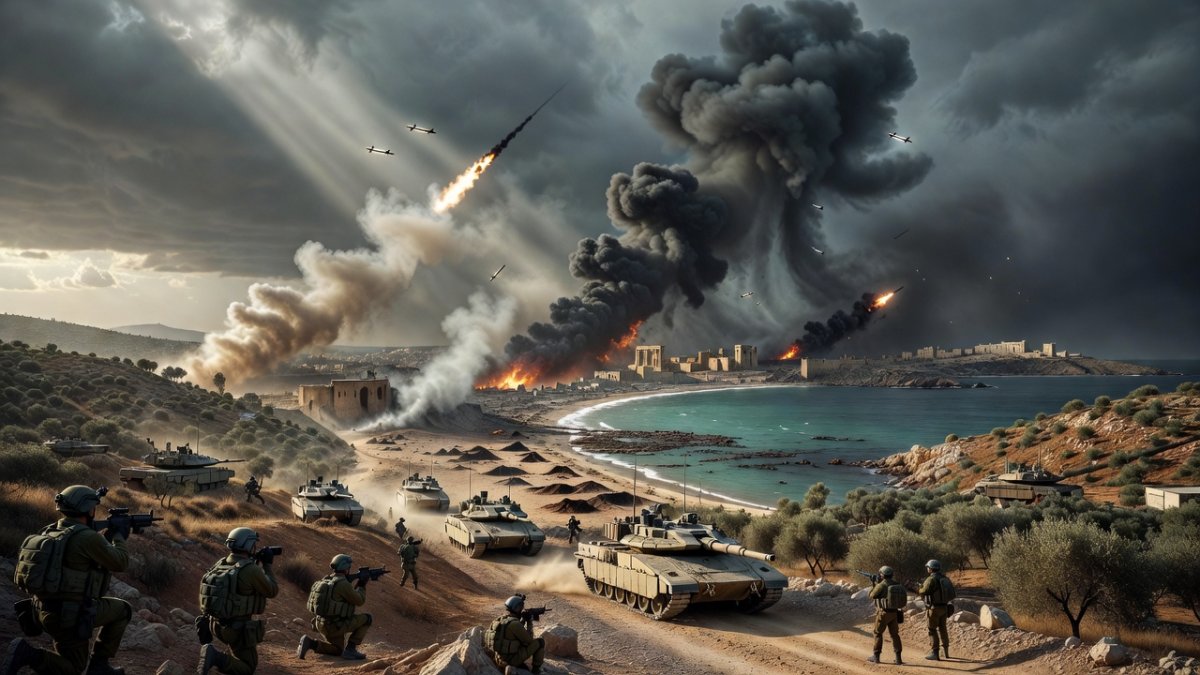
Trump has sought to decouple the Lebanon theater from the Iran negotiations, expressing perturbation over Israel's campaign while attributing the impasse to Tehran's unwillingness to make concessions. This separation strategy reflects Washington's desire to secure a narrower ceasefire focused on Iranian nuclear restraints and asset releases, yet it collides with Iran's explicit demand that any comprehensive deal address Israeli actions in Lebanon.
Iran's Position and Leverage Points
Tehran has conditioned progress on the release of approximately $25 billion in frozen overseas assets and a follow-on nuclear agreement to be negotiated within 30-60 days after any ceasefire. Iranian officials view the Lebanon front as essential leverage, arguing that Israeli operations there represent an extension of the broader conflict that began with Israel's Twelve-Day War against Iranian nuclear facilities in June 2025. The recent Iranian missile strikes on Israel on June 7, 2026, further signal that Tehran intends to maintain pressure until its core demands are met.
A US naval blockade of the Strait of Hormuz remains active, and the recent seizure of an Iranian cargo ship has added economic strain. These measures test Iran's willingness to accept limitations on its regional activities, yet they also reinforce Tehran's calculation that concessions without parallel Israeli withdrawals would weaken its deterrence posture.
US Strategic Calculus Under Trump
The Trump administration faces simultaneous challenges in restraining Israeli operations while maintaining pressure on Iran. Public statements blaming Iran for the impasse coexist with attempts to isolate the Lebanon issue, revealing a tactical preference for sequential rather than comprehensive settlements. The proposed release of frozen assets and the timeline for nuclear talks indicate that Washington seeks a deal that demonstrates diplomatic success ahead of domestic political considerations.
However, the limits of US leverage are evident. Israel continues operations despite American expressions of concern, while Iran refuses to separate the theaters. This dynamic illustrates the difficulty of managing allied autonomy and adversary resolve within a single negotiation framework.
China's Advocacy for UN-Centered Diplomacy
Beijing has consistently called for restraint and a political solution anchored in the UN framework. This position aligns with China's broader foreign policy emphasis on multilateral institutions and avoidance of unilateral military escalations that could disrupt energy markets or global supply chains. Chinese diplomacy in the Middle East prioritizes stability to safeguard Belt and Road investments and energy imports, rather than direct intervention in the current standoff.
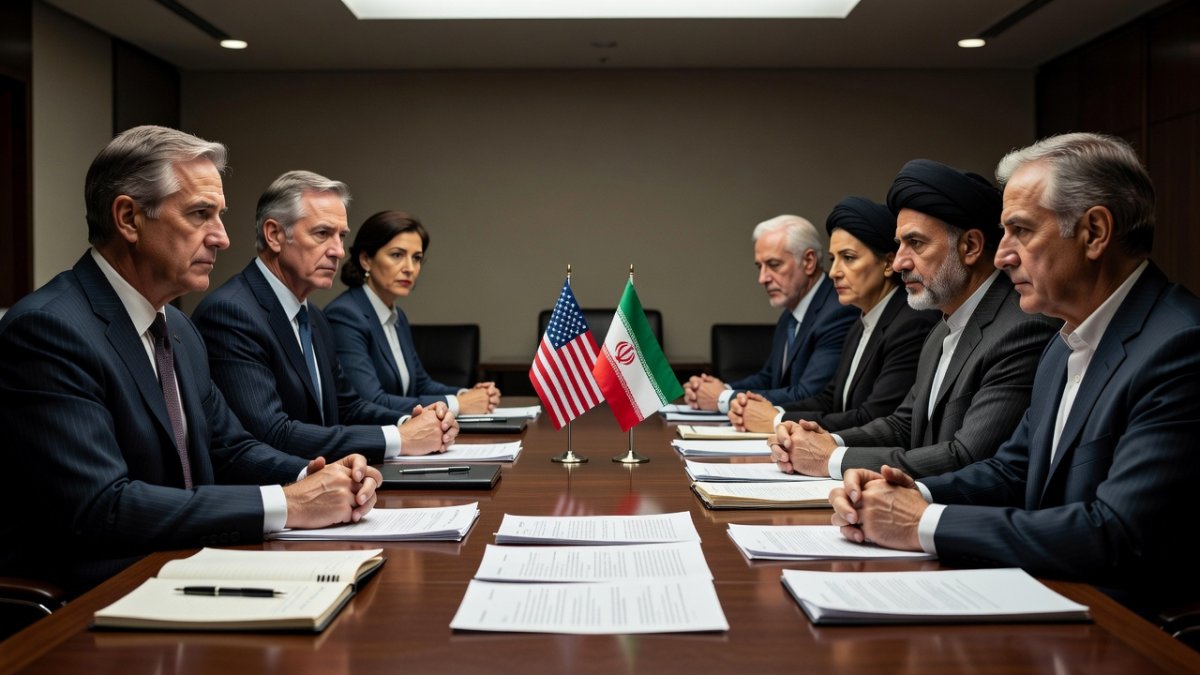
By supporting UN mechanisms, China positions itself as a constructive actor distinct from both US bilateral pressure tactics and Israeli military actions. This approach also resonates with Global South states wary of great-power conflicts spilling into their regions.
Regional Ripple Effects Across the Middle East
Prolonged fighting in southern Lebanon risks drawing in additional actors and further destabilizing Lebanon itself. Hezbollah's deepened rocket campaign has already affected civilian areas in northern Israel, while Israeli operations threaten to expand the humanitarian crisis in Tyre and surrounding areas. For Gulf states, the continuation of Hormuz tensions raises concerns about energy security and the reliability of maritime routes.
Second-order effects include potential shifts in regional alignments, with actors reassessing dependence on US security guarantees versus the value of diversified diplomatic channels. The situation also tests the durability of any future nuclear framework if Lebanon remains unresolved.
Implications for Global Power Competition
The Lebanon impasse reveals the constraints on US influence when confronting intertwined conflicts involving both a treaty ally and a sanctioned adversary. For China, the episode offers opportunities to highlight the advantages of multilateral restraint over coercive sequencing. ASEAN and EU capitals watch closely, as disruptions to energy flows or further escalation could affect their own strategic calculations regarding great-power reliability.
Ultimately, the ability of the Trump administration to bridge the Lebanon gap will determine whether the current framework yields a durable ceasefire or collapses into renewed confrontation across multiple fronts.
By Prof. Marcus Chen, Staff WriterThis article was produced with AI-assisted research and editorial support. Reporting is based on sources cited in the article.
What's Your Reaction?
 Like
0
Like
0
 Dislike
0
Dislike
0
 Love
0
Love
0
 Funny
0
Funny
0
 Wow
0
Wow
0
 Sad
0
Sad
0
 Angry
0
Angry
0

World Politics Analyst at Global1.News. Based in Beijing, covering US-China relations, global trade, and geopolitical strategy. Brings deep analytical perspective to the power dynamics shaping international affairs.













Comments (0)