
Taiwan Cracks Down on Undersea Cable Damage to Protect Regional Connectivity
Taiwan Cracks Down on Undersea Cable Damage to Protect Connectivity **Meta Description:** Taiwan investigates repeated undersea cable damage incidents and considers stricter penalties, with important implications for regional digital infrastructure and Japan's connectivity strategies. **Keywords:** Taiwan undersea cables, cable damage crackdown, Taiwan Strait connectivity, Asia
Taiwan has experienced multiple incidents of undersea communication cable damage that disrupted internet connectivity to global networks. Authorities are investigating these events, many linked to ship anchors, and are weighing stricter penalties to safeguard this critical infrastructure. The developments carry direct relevance for neighboring Japan, whose own digital economy depends on stable regional cable routes.
The Critical Role of Undersea Cables in Taiwan's Connectivity
Undersea cables form the backbone of Taiwan's links to international data networks. These fiber-optic systems carry the vast majority of internet traffic, financial transactions, and cloud services that support the island's technology sector. Any prolonged outage quickly affects businesses, government operations, and daily communications across the region.
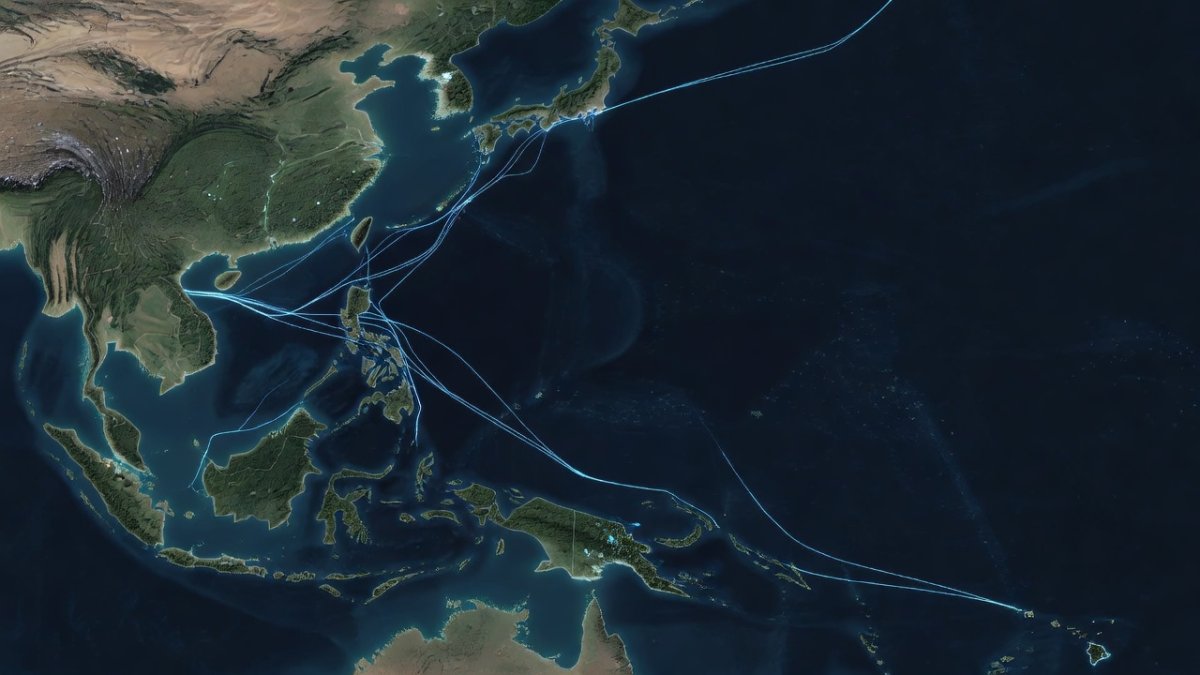
The cables run through the Taiwan Strait and surrounding waters, areas with heavy maritime traffic. This geography increases exposure to accidental damage from vessels. Taiwan's economy, heavily reliant on semiconductor exports and digital services, cannot afford extended disruptions to these links.
Japan maintains parallel interests because many of the same cable systems connect onward to Japanese landing stations. Stable Taiwan connectivity supports supply chains that include Japanese firms participating in advanced chip production and data-center projects aligned with the Digital Agency's goals.
Recent Cable Damage Incidents and Their Consequences
Multiple incidents have occurred in which undersea cables near Taiwan were severed or impaired. Reports indicate that ship anchors dragging across the seabed were responsible in several cases. These events led to slower internet speeds and rerouting of traffic through alternative paths, sometimes for days.
Connectivity losses highlight the vulnerability of concentrated cable routes. When primary links fail, secondary cables must absorb the load, creating bottlenecks that affect latency-sensitive applications such as financial trading and remote manufacturing coordination.
The pattern of incidents has prompted Taiwan to examine both accidental and potentially deliberate causes. While investigations continue, the repeated nature of the damage has focused attention on enforcement gaps in existing maritime regulations.
Taiwan's Regulatory Response and Stricter Penalties
Taiwanese authorities have begun reviewing legal frameworks governing vessel operations near cable routes. Proposals under consideration include higher fines and possible criminal liability for negligent anchor deployment. These measures aim to deter unsafe practices without disrupting legitimate shipping.
Implementation timelines remain under discussion, with officials emphasizing the need for careful drafting to avoid unintended effects on port operations. Coordination with maritime agencies is required to establish clearer exclusion zones and monitoring protocols around known cable corridors.
Any new rules will need supporting technology such as improved seabed mapping and real-time vessel tracking. Taiwan is assessing how existing surveillance assets can be repurposed to detect anchor drag events more quickly and assign responsibility accurately.
Geopolitical Tensions Surrounding Cable Infrastructure
The Taiwan Strait is a geopolitically sensitive corridor where undersea cables converge. Damage incidents occur against a backdrop of regional tensions, raising questions about whether some events involve more than simple maritime accidents. Governments in the region are therefore treating cable security as both an economic and strategic priority.
Disruptions can be exploited to test response capabilities or to create temporary information blackouts. This dual-use potential has led defense planners to consider redundant routing and rapid repair assets as part of broader resilience strategies.
Japan's Ministry of Foreign Affairs and Ministry of Economy, Trade and Industry monitor these developments closely because stable cable networks underpin the secure data flows essential to semiconductor collaboration and the Green Transformation agenda.
Japan's Stake in Regional Undersea Cable Security
Japan operates its own extensive undersea cable network and has invested in new routes to diversify connectivity. Damage near Taiwan can indirectly affect Japanese traffic that transits through shared segments or landing points. The Digital Agency has therefore highlighted international cable protection as part of its national digital resilience planning.
Japanese companies involved in cable laying and maintenance stand to benefit from clearer international standards. METI's semiconductor strategy also depends on uninterrupted data exchange between fabrication facilities in Japan, Taiwan, and other partners, making cable integrity a supply-chain concern.
Through participation in regional forums, Japan advocates for shared monitoring systems and joint repair protocols. These efforts align with Society 5.0 objectives that require reliable high-speed networks to support advanced manufacturing and smart-city applications.
Broader Implications for Asia-Pacific Digital Infrastructure
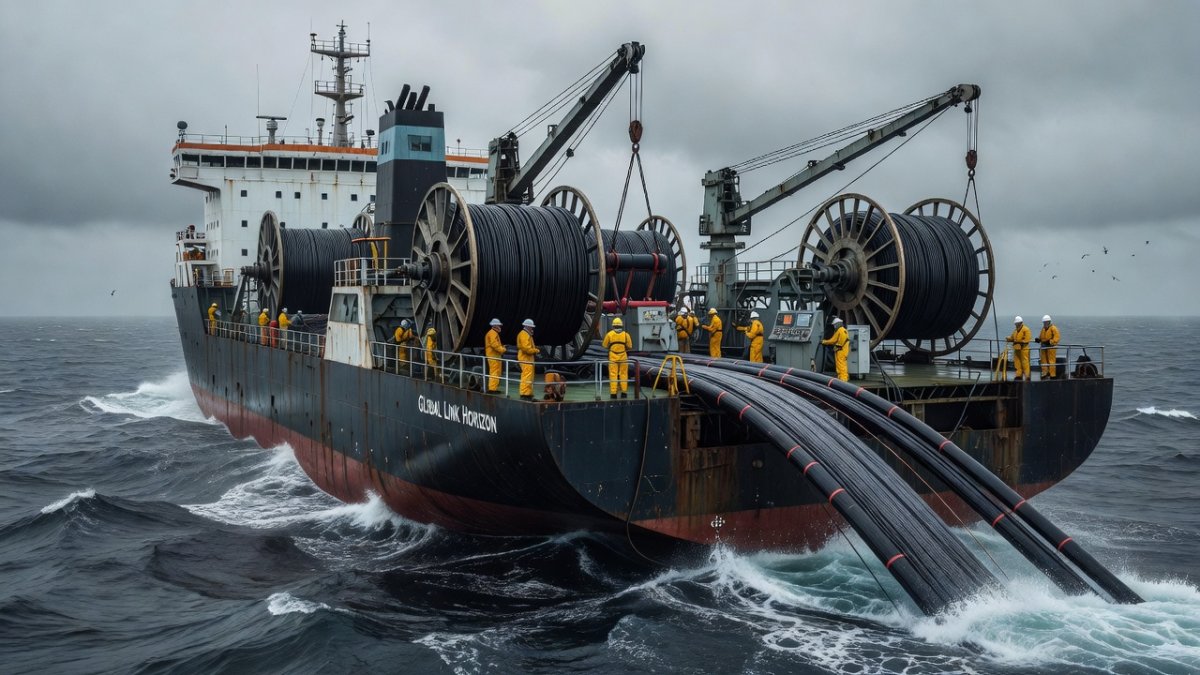
Other Asia-Pacific economies face similar exposure because many cables serving the region pass near Taiwan. Coordinated policy responses could include harmonized penalty regimes and mutual assistance agreements for rapid cable repair. Such arrangements would reduce recovery times after future incidents.
Investment in diverse routing and deeper burial of cables in high-risk zones represents one practical step. Governments are also examining insurance mechanisms that could cover both repair costs and business interruption losses stemming from cable cuts.
Japan's experience with disaster-resilient infrastructure offers useful reference points. Lessons from past earthquakes and typhoons have informed cable deployment practices that neighboring authorities may adapt to address anchor-related threats.
Technological and Collaborative Solutions Moving Forward
Emerging technologies such as distributed acoustic sensing along cable routes can provide early warning of anchor interference. When combined with satellite tracking of vessels, these tools improve the ability to identify and document incidents in real time.
Regional cooperation remains essential. Joint exercises among coast guards and cable maintenance consortia can test response procedures and clarify jurisdictional responsibilities when cables cross multiple exclusive economic zones.
For Japanese stakeholders, continued engagement through established channels will help shape standards that protect both commercial interests and national digital security objectives. Sustained attention to these issues supports the stable connectivity required for ongoing economic and technological collaboration across the region.
By Kenji Tanaka, Staff Writer
This article was produced with AI-assisted research and editorial support. Reporting is based on sources cited in the article.
What's Your Reaction?
 Like
0
Like
0
 Dislike
0
Dislike
0
 Love
0
Love
0
 Funny
0
Funny
0
 Wow
0
Wow
0
 Sad
0
Sad
0
 Angry
0
Angry
0

Japan Correspondent at Global1.News. Tokyo-based voice covering Japanese politics, technology, economy, and culture. Tracks the intersection of tradition and innovation in one of the world's most dynamic societies.












Comments (0)